


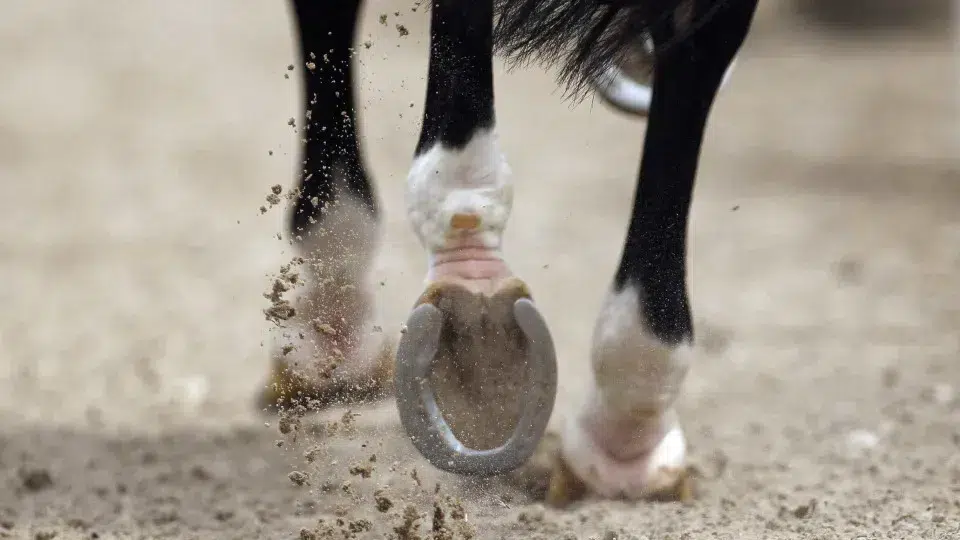
“Whether they are horses used for pulling carriages or oxen for agricultural work, I believe that if we do not have the courage to prohibit their use, time will be on our side and will eventually do what has not yet been accomplished,” said the animal ombudsman during a hearing at the Committee on Parliamentary Affairs, Environment, and Sustainable Development of the Regional Assembly, held in Ponta Delgada.
Dagmar Sampaio was heard by the deputies concerning a regional decree project proposed by Pedro Neves, a member of the PAN (People, Animals, and Nature party), advocating for the “conversion of animal-drawn vehicles” like the carriages used in recreational and tourist activities, with the aim of animal welfare and road safety.
The proponent justifies the measure with the “growing concern about the adverse conditions to which animals are exposed during these activities,” often “subject to high physical exertion” and even “excessive” due to the weight of the vehicles and their occupants, the irregularity of the roads, and even “prolonged exposure to high temperatures.”
The Animal Ombudsman in the Azores is also concerned about the welfare conditions of working animals in the region, not only in agriculture but also in religious festivals that traditionally use oxen to pull carriages, such as during the Festas do Divino Espírito Santo.
“We do not intend, in any way, for these festivals, given their important religious, cultural, and social character to the local population, to end. On the contrary, they should persist, but alternatives should be found to combat all forms of unnecessary suffering inflicted on the animals,” suggested Dagmar Sampaio.
However, Francisco Lima, a deputy from the Chega party in the Azorean parliament, considers the PAN’s proposal “extremist” and stated that if the aim is to end animal suffering, then the Azorean Legislative Assembly should first legislate on human working conditions.
“If we go to that extreme, we end with animal-drawn vehicles, we stop bullfights, and now also end sports because humans were not made for that. They were made to rest, to read a book, and not for physical labor. Even construction workers, that too should end!” the Chega deputy stated ironically.
Dagmar Sampaio argues that Francisco Lima’s comparison between animals and people is “dangerous,” but added that bullfighting, a tradition on some of the Azores islands, will eventually disappear, even without parliamentary legislation.
“If there isn’t the courage to prohibit the use of these draft animals, it will be like bullfights, time will decide the end of these activities,” insisted the animal ombudsman in the Azores.
Luís Soares, a deputy from the PSD party, believes that the regional parliament should not interfere in Azorean traditions, referring not only to religious festivals but also to bullfights, a practice he is openly fond of.
“Is it not preferable to let time indeed take care of this and not rush procedures that, for cultural, socio-economic, and other reasons, should not be accelerated,” warned the social-democratic parliamentarian, clearly opposing the PAN proposal.