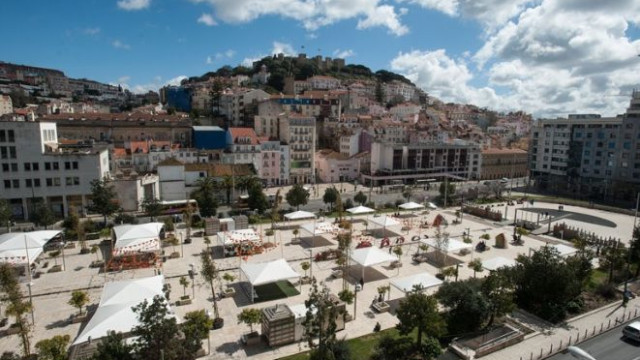

The blackout was chosen as the national event of the year by the editorial team of the Lusa agency.
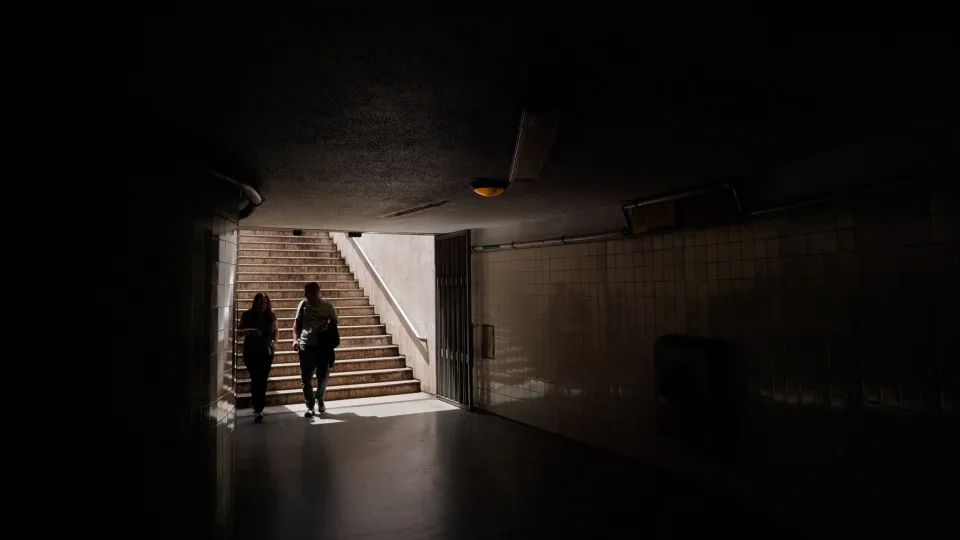
At 11:30 a.m. in Lisbon, a widespread power outage affected mainland Portugal, with E-Redes reporting a complete restoration and normalization of electricity distribution services by the early hours of the following day.
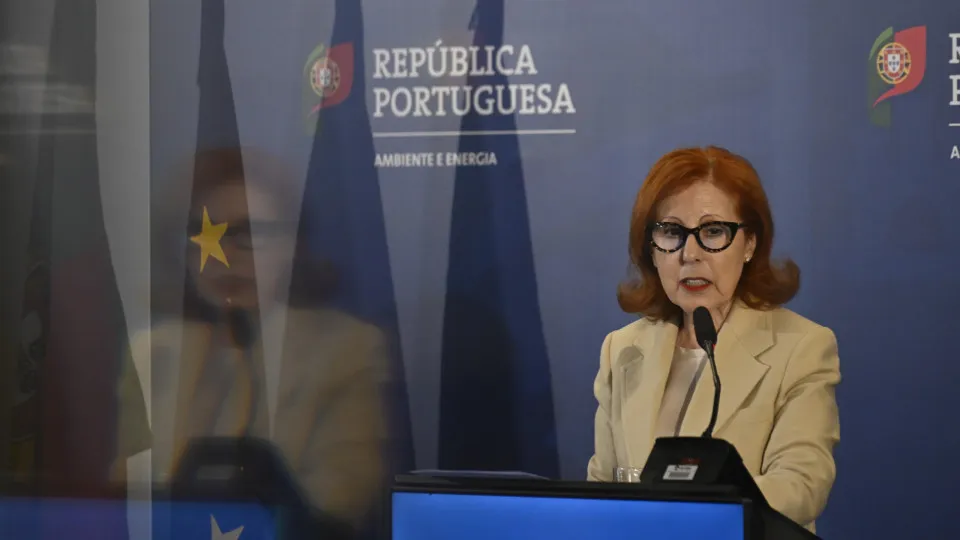
The Government established a task force to monitor the blackout, initially attributing the problem to the electricity transmission network in Spain, for which the cause was still unknown, amidst limited available information.
In the initial hours following the incident, the Assistant Minister for Territorial Cohesion, Manuel Castro Almeida, acknowledged the possibility that the blackout could be due to a cyberattack, although he noted this was “unconfirmed information.”
By 3:00 p.m., following various false reports about the causes of the incident, Prime Minister Luís Montenegro stated that all indications pointed to the fault originating from the interconnection with Spain, with no signs of a cyberattack. This hypothesis had also been dismissed by the National Cybersecurity Center.
Following the blackout, several essential services were maintained using generators, including the phone and IT systems of the National Institute of Medical Emergencies (INEM) and hospitals.
That evening, the Prime Minister noted that the most challenging aspect was managing the energy supply to hospitals, ensuring that there had been “no critical situations.”
Two days later, Manuel Castro Almeida reported that Alfredo da Costa Maternity Hospital (MAC) in Lisbon initially had only one hour’s worth of fuel for generators, revealing that ministerial drivers were prepared to buy and deliver fuel to MAC, although this solution was ultimately unnecessary.
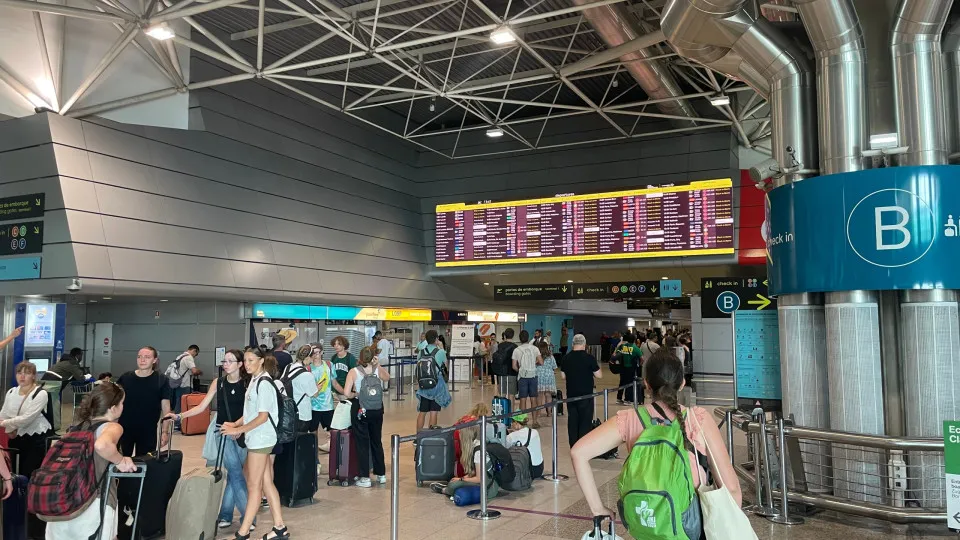
Hundreds of flights were canceled, there was congestion in transport and traffic in major cities, and fuel shortages were among the consequences of the power cut.
The team of experts from the European Network of Transmission System Operators for Electricity (ENTSO-E) cited a cascade of voltage spikes—observed in southern Spain towards the end of the incident—followed by sudden production shutdowns, mainly renewable, as the likely cause. This led to the electrical separation of the Iberian Peninsula from the continental system, loss of synchronism, and collapse of frequency and voltage.
The final report on the electrical blackout will be published in the first quarter of 2026.
The European Commission described this blackout as the “most severe” in the last 20 years in Europe and pledged a “comprehensive investigation” to determine the causes.
Previously, the most serious incident of this sort occurred on September 28, 2003, affecting nearly 56 million people in Italy.
Three years later, on November 5, 2006, approximately 15 million people were left without electricity in southern and central Europe due to a blackout that affected several countries (Germany, France, Italy, Spain, Portugal, Belgium, Austria, and Croatia) with a duration ranging from 30 minutes to several hours.
In Portugal, on May 9, 2000, a stork left the southern half of the country in darkness, including Lisbon, for two hours, after colliding with a high-voltage line in Lavos, Figueira da Foz (Coimbra district).