


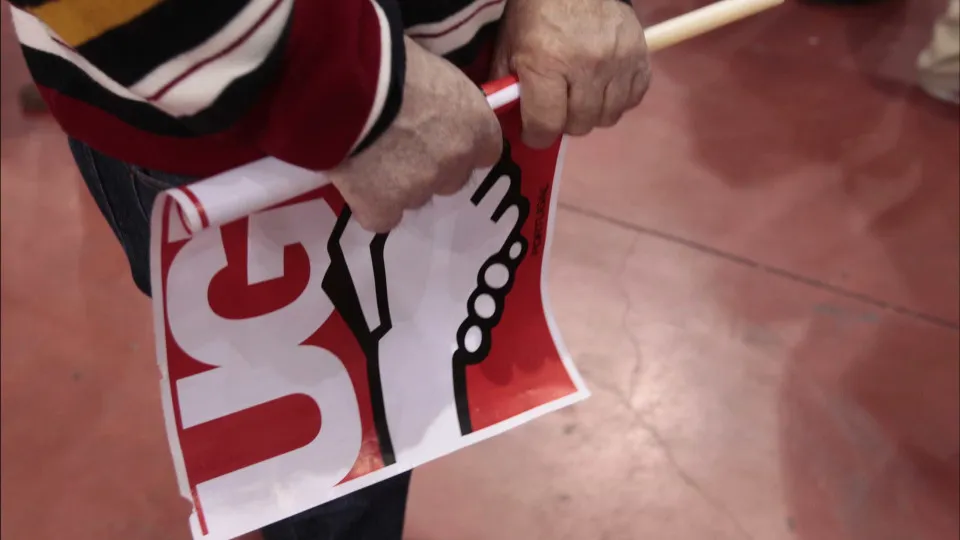
“Our expectation is that there will be a firm and determined response from the workers, because what is on the table with this draft project is indeed a proposal that has a very negative impact on people’s lives and families in Portugal,” stated Mário Mourão in an interview, regarding the general strike scheduled for December 11.
Amidst the “various assemblies” he attended and where he observed that “the workers were dissatisfied with the proposal on the table,” the UGT leader anticipates strong support for the general strike, which brings together the two union centers for the first time in 12 years.
“This strike will not fail,” he asserts.
Mário Mourão also reiterated that the strike was called in light of the stalemate in negotiations, noting that there were “several bilateral meetings with the Government,” and the proposal remained unchanged since it was presented on July 24, leaving the union center with “no alternative but to take to the streets.”
After the general strike was announced, the Minister of Labor presented the UGT with a new proposal. “The proposal improved in one or another aspect,” admits the UGT leader, citing issues related to breastfeeding, parenthood, and the increase from 14 to 15 days in compensation for collective dismissals.
However, he considers the concessions “inconsequential” and states they are “very far” from reaching an agreement with the Government.
In the interview, the UGT secretary-general again highlighted the extension of fixed-term contract durations, the return of the individual hours bank “eliminating the group hours bank,” and the revocation of the rule restricting outsourcing (hiring external work) for one year after dismissals as some of the most serious measures.
Regarding outsourcing, Mário Mourão argues that it led to the loss of “thousands of jobs” in the financial sector “some years ago,” and with the Government’s proposed change, it opens the door for companies “after making collective dismissals” to “hire another company to carry out the service more cheaply.”
On the issue of extending contract durations, he argues that it will increase precariousness and pose further obstacles to young people entering the labor market with fixed-term contracts and seeking a mortgage to buy a home.
“How can a worker feel confident, for example, to seek a mortgage for the purchase of a home? If they are on a fixed-term contract, the bank will naturally create the greatest difficulties,” he argues, adding that the proposal does not create “conditions” for young people to settle in Portugal.
For the UGT, the current Government proposal, still under discussion in social consultation, is “ideological” and does not address the problems facing the labor market and businesses, such as low wages or the need to help micro and small enterprises scale up.
“Our economy is functioning, businesses are operating. The problem the country faces is a lack of labor and low wages,” asserts Mário Mourão, noting that this proposal introduces “a factor of instability in companies.”
“It is a very comfortable proposal for the employer,” he adds, further stating that it is “more of a settling of scores with the Decent Work Agenda than a proposal to solve the problems” Portugal faces in the labor area.