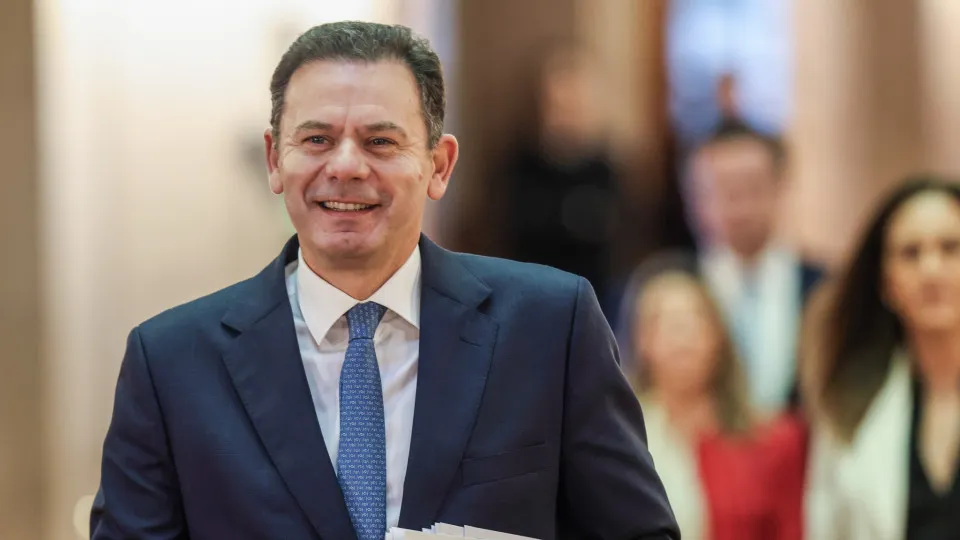
“It is indeed realistic, it is indeed realistic, have no doubt about it. We will schedule it when we have the foundations for it,” said Luís Montenegro, speaking to journalists in Baião, Porto district, during a ceremony dedicated to the provision of rural fire prevention and forest management equipment.
On Saturday, in Porto, the Prime Minister and PSD President, Luís Montenegro, raised the country’s salary targets, stating his aim for the minimum wage to reach “1,500 or 1,600 euros” and the average salary to climb to “2,500, 2,800 or 3,000 euros.” This revises his comments from Friday, when he suggested leveraging changes in labor laws to increase the minimum wage to 1,500 euros and the average wage to 2,000 or 2,500 euros.
This announcement has already been criticized by other political parties and trade unions, particularly the CGTP, which on Sunday described the Prime Minister’s statement as “a desperate act” and “an insult” to the 2.5 million workers earning less than 1,000 euros before taxes.
The trade union also considered the statements “an insult” to “the 1.3 million workers with precarious job contracts or the 1.9 million workers laboring on Saturdays, Sundays, or holidays, in the evenings or overnight, who lack time and better living conditions.”
Presidential candidate António Filipe, supported by the PCP, stated on Tuesday that the Prime Minister’s goal to achieve a minimum wage of 1,600 euros “blatantly contradicts this Government’s political practice” and is an attempt to demobilize the general strike scheduled for Thursday.
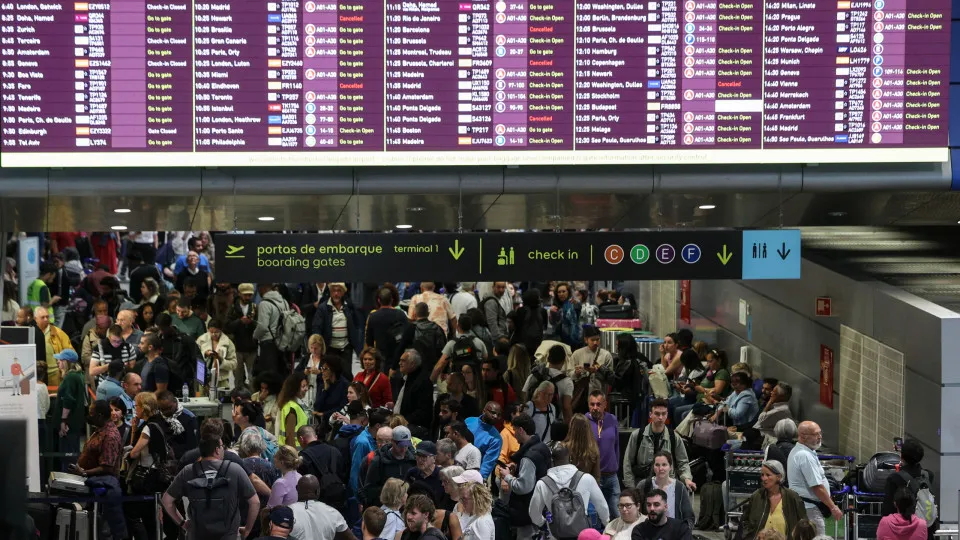
The CGTP and UGT have called for a general strike on December 11, responding to the draft law reforming labor legislation, marking the first joint strike by the two unions since June 2013, when Portugal was under the ‘troika’s’ intervention.
Today, the PCP’s draft resolution will be debated in plenary, in which the party proposes an “urgent extraordinary update of the national minimum wage to 1,050 euros, effective from January 1, 2026.”
In statements to the Lusa agency, communist parliamentary leader Paula Santos recalled that there are 2.5 million workers with a gross salary below 1,000 euros, of which 800,000 receive the national minimum wage, set to increase from 870 to 920 euros next year.
“This is why we are raising this issue, as it is a national emergency to significantly raise salaries, and thus we propose increasing the national minimum wage to 1,050 euros. We obviously believe that wages should generally be raised and valued, with the ultimate goal of improving the living conditions of workers and combating poverty,” she stated.