
“On December 11, the strike led to the cancellation of approximately 400 flights, with only minimum service flights operating, except for two companies — easyJet and Ryanair,” announced the SNPVCA on Thursday night.
Regarding the two low-cost carriers, the union adds that, “although minimal, the flights operated by easyJet, in addition to minimum services, were conducted by management or crew members from other bases, once again violating Portuguese law. This situation is unacceptable and repetitive, prompting the ACT [Labor Conditions Authority] to intervene again, and a sanctioning process will be filed against easyJet.”
The union holds the Government “responsible for the disruptions caused to passengers and the expenses incurred due to this day’s strike.” “The uncompromising stance of this Government is entirely to blame,” states the SNPVA.
The SNPVCA emphasizes that “despite the Government’s downplaying of adherence percentages and attempts to discredit, the overwhelming force of this strike is evident, with several flights canceled in the preceding days,” as companies acknowledged that “adherence would be overwhelming, [and] did not risk a very likely chaos at airports.”
“Therefore, claiming that the general strike was insignificant is a failure to grasp reality or being tied to its ideological doctrine,” the statement adds.
The Government, through the Minister of the Presidency, Leitão Amaro, deemed the participation in the strike insignificant, estimating adherence between 0 and 10%.
The CGTP claimed that three million workers joined the strike, and UGT estimated a 80% participation rate.
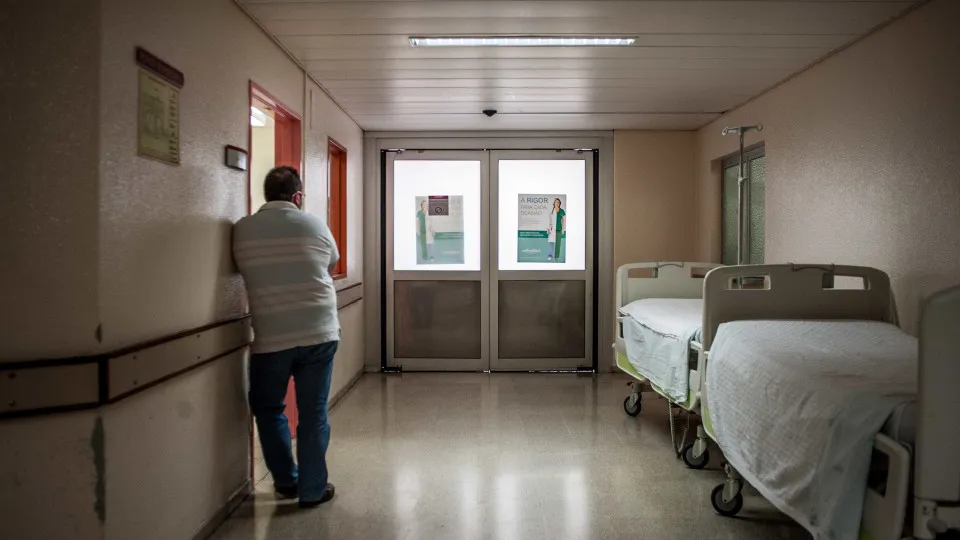
This was the first general strike called by the CGTP and UGT in 12 years, impacting sectors such as transport, schools, hospitals, and health centers.