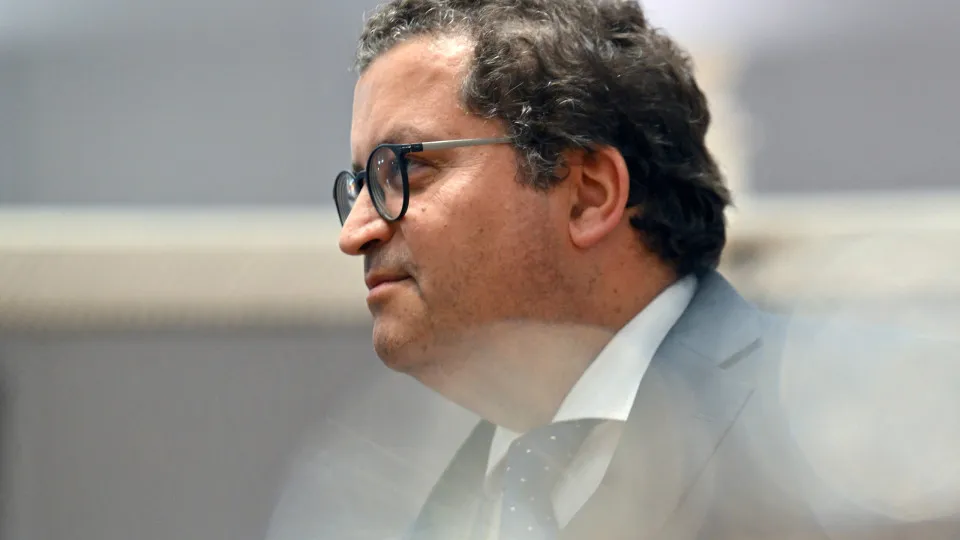
“I am not going to comment on numbers. Those who wanted to strike did so, it’s a right, [but] the majority of the public administration was working and the overwhelming majority of the private sector was working,” stated Joaquim Miranda Sarmento in remarks to Portuguese journalists in Brussels at the end of the European Union Finance Ministers meeting.
When asked if he was contradicting union reports regarding Thursday’s general strike, the official commented, “I am saying there were small situations in some public services where the strike’s effects were felt, but generally, the country was working.”
“Just look at electricity consumption, which was more or less at the usual weekday level, and ATM withdrawals were also in line with what is typical. Therefore, the country continued with its usual routine, and those who wanted to strike have that right and can exercise it,” he added.
When questioned about the Prime Minister’s statements regarding increasing the national minimum wage to 1,600 euros, from the current 870 euros, the Finance Minister refrained from specifying a timeline.
“It would be speculative” to state when it might be possible since “it depends on many variables. We need ambition, ambition to reform the country, increase productivity, and have more economic growth,” he emphasized.
Nevertheless, according to Joaquim Miranda Sarmento, “the goal [of a 1,600 euro minimum wage] is what is in the electoral program.”
Regarding labor reform negotiations between the Government and unions, Joaquim Miranda Sarmento stated that these discussions “are ongoing.”
“In fact, the strike occurs in the middle of a negotiation because neither party has concluded this negotiation, certainly not the Government,” he concluded.
The general strike was called by the CGTP-IN and UGT union confederations against labor law changes proposed by the Government.
While the Government reported strike participation between 0 and 10%, the unions claimed over 80% participation, citing 100% in services like Lisbon’s Metro.