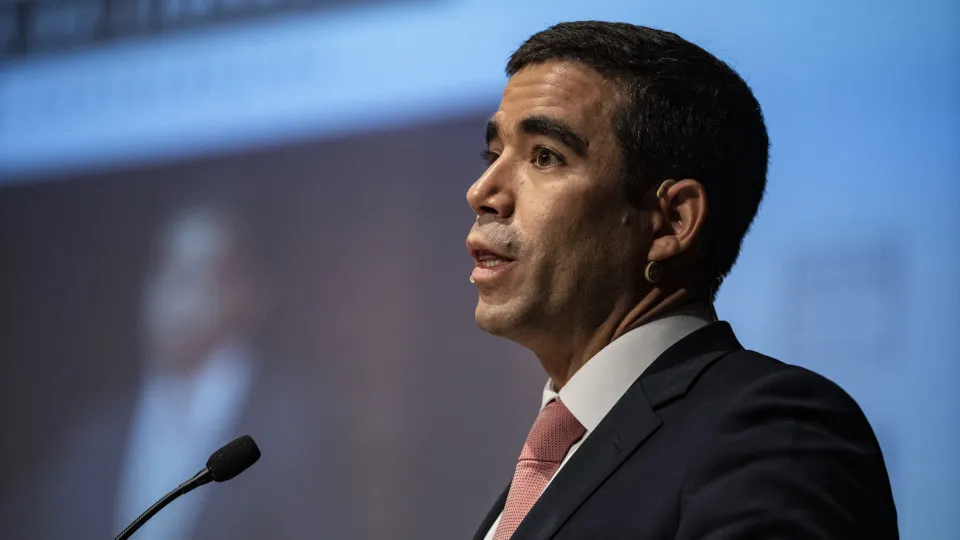

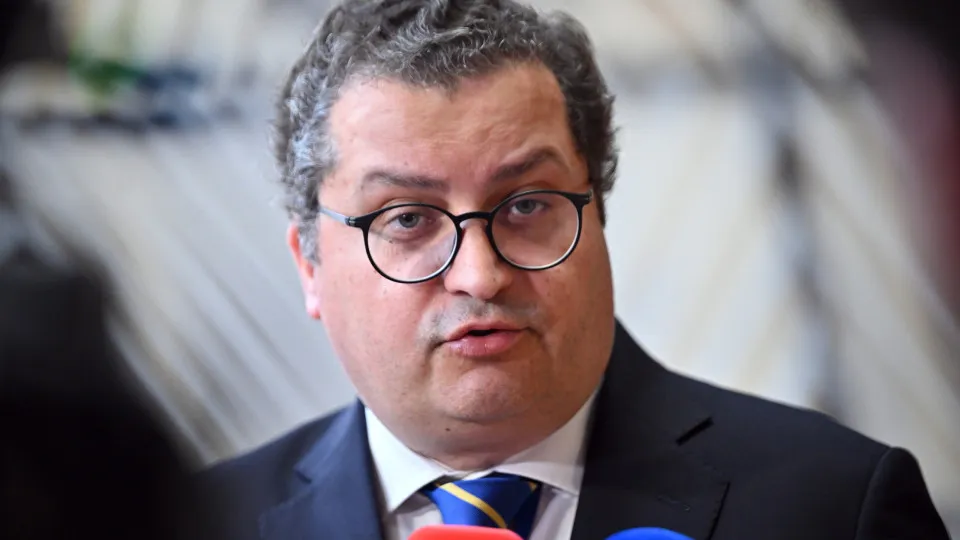
Finance Minister Joaquim Miranda Sarmento expressed his “desire and confidence” in reaching an agreement with trade unions regarding labor law revisions this Friday.
Speaking in Brussels, the Finance Minister conveyed his “desire and confidence that an agreement will be reached,” reiterating the government’s stance on the impact of the general strike on December 11.
“Those who wanted to strike did so, which is their right. The majority of the Public Administration was working, and the overwhelming majority of the private sector was working,” declared Joaquim Miranda Sarmento.
The Finance Minister further stated, “We continue the negotiations. In fact, the strike is occurring in the middle of negotiations because neither party has ended these discussions, certainly not the government.”
After General Strike, Minister Calls UGT for Meeting
The Minister of Labor called the UGT for a meeting next Tuesday to continue discussions on the government’s draft labor law reform, according to the ministry’s statement to agency Lusa.
“Despite the general strike that interrupted the ongoing negotiation process, the Minister of Labor, Solidarity, and Social Security called the UGT today, the day after the general strike, for a meeting next Tuesday at 5 p.m. to proceed with negotiations,” the Minister stated, as cited in the ministry note sent to Lusa.
The call comes a day after the general strike organized by CGTP and UGT against the proposed labor law changes being discussed in Social Concertation.
CGTP’s Secretary-General stated on Thursday that the strike was “one of the largest general strikes ever, if not the largest ever,” with participation from “over three million workers.”
“We are witnessing an impressive response from the labor world. There is no other conclusion,” said Tiago Oliveira, as quoted in a statement, urging the government to withdraw the labor package from discussions.
On the government side, in a statement late Thursday morning, Minister of the Presidency Leitão Amaro remarked that “the overwhelming majority of the country is working,” noting financial transactions on SIBS were “down 7% compared to the normal period,” and “traffic on the southern bridges to Lisbon” was down 5%.
Emphasizing the government’s respect for the right to strike, António Leitão Amaro also considered that the level of participation “is insignificant, particularly in the private and social sectors.”
“This seems more like a public sector strike,” the official added, acknowledging impacts on transportation and “school assistants.”
The Ministry of Labor confirmed to Lusa that a plenary meeting with all social partners in the framework of Social Concertation is scheduled for January 14, as reported by Expresso, just days before the presidential elections.
[Updated at 1:40 p.m.]