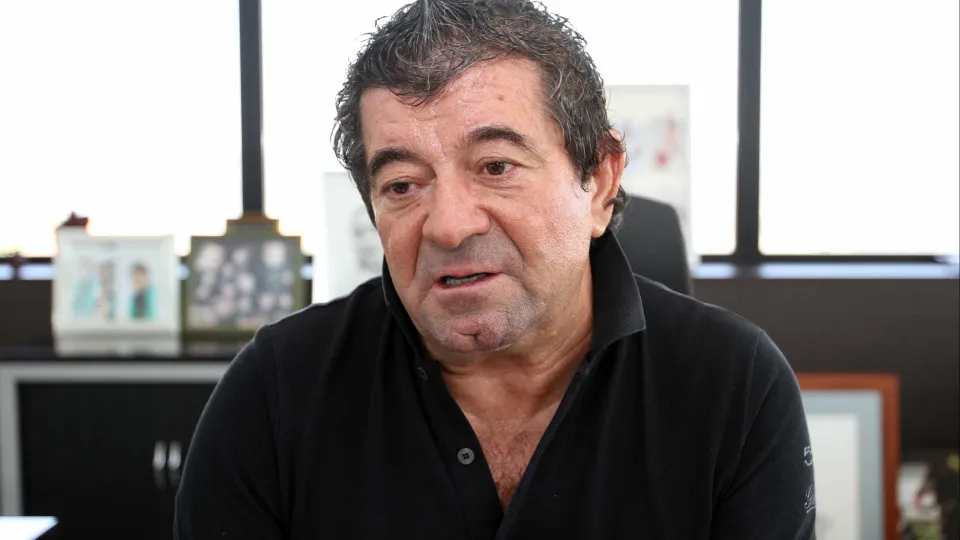


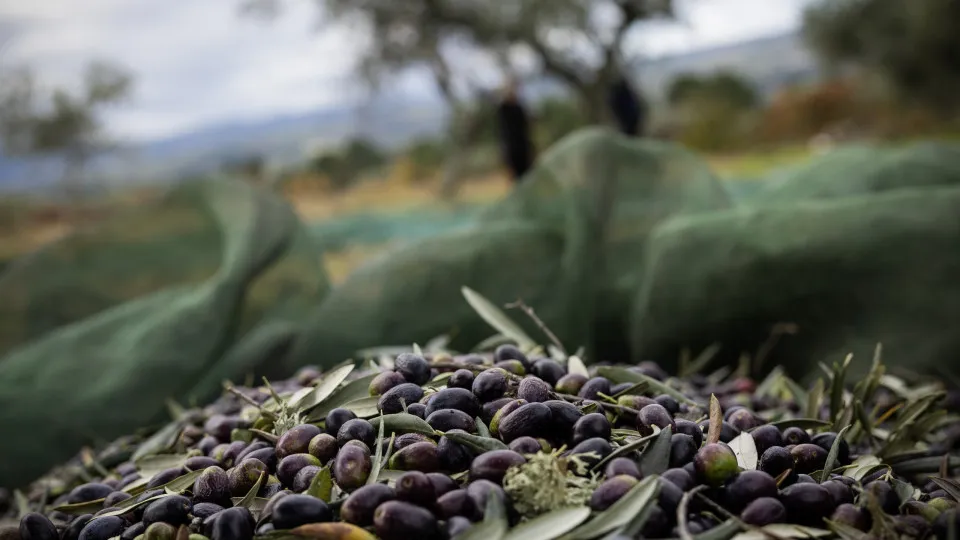
Arménio Vaz cultivates 60 hectares of olive groves in Mirandela. Unlike most regional producers who rely on rainfed agriculture, Vaz predominantly utilizes irrigation. However, he has not been able to prevent what he describes as a “poor” harvest.
“This year’s production was significantly lower, not even half of last year’s. We harvested around 70 tons last year, and this year, it won’t even reach half that,” he stated, adding that he won’t gather more than 25 tons of olives.
The farmer remarked that he cannot recall a year as bad as this one, highlighting that it was the most “drastic” decline in recent years. “It has been many years since I’ve seen such a downturn,” he said.
According to Vaz, the financial loss is “considerable,” noting a “significant difference” between production costs and revenues.
“Expenses remain the same because even during harvesting, we see olive trees with a few olives, and it’s hard to leave them there. We end up bringing in the machines to harvest these olives, so the work remains the same, and this reflects on costs,” he lamented.
Francisco Pavão, president of the Association of Producers in Integrated Pest Management of Trás-os-Montes and Alto Douro (APPITAD), explained that in May, high temperatures, above 30 degrees, were recorded in the warm land area, affecting fruit setting as trees were flowering at that time.
Another reason for the reduced production was the dry summer, causing “a long period of water stress” in the fields, in a region where many olive groves are traditional and rainfed.
Given these weather conditions, Francisco Pavão noted that production drops, varying between 10% and 30% in Trás-os-Montes and Alto Douro, were expected.
The official advocates for investment in irrigation, as water storage during dry periods could reduce production losses.
However, the quality of the fruit was not compromised. “Fortunately, the quality is very good, both in the warm land, in the cold land area, and in the Douro olive oils. They all possess excellent quality. We did not face issues with pests or diseases, so it has been a very good year from a phytosanitary standpoint for producers,” he emphasized.
Regarding olive oil prices, the APPITAD president clarified that there are still “large stocks of last year’s olive oil” globally, leading to a “slight fluctuation” in price, but “not very significant.”
In the municipality of Carrazeda de Ansiães, where production drops around 30%, producers express disheartenment over olive prices, which have decreased compared to the previous campaign, amid low demand.
Duarte Borges, a technician with the Association of Fruit, Olive, and Vine Growers of Carrazeda de Ansiães (AFUVOPA), noted the demand for olives is “negligible” due to last year’s stocks, and prices “are not at all encouraging.”
“Last year, a five-liter bottle of olive oil was priced around 35 to 40 euros; this year, it is below that range, between 25 and 30 euros, and in some cases, even less,” the technician lamented.
In light of this scenario, Duarte Borges admitted that it is a challenging year for producers. “It is quite discouraging for farmers because production costs were high, the campaign was very expensive, and yet their incomes are not reflecting that,” he said.
According to the National Statistics Institute (INE), in 2024, the Trás-os-Montes region was the second-largest olive oil producer in the country, with 78,928 hectares of olive groves, following Alentejo, which has 206,620 hectares.