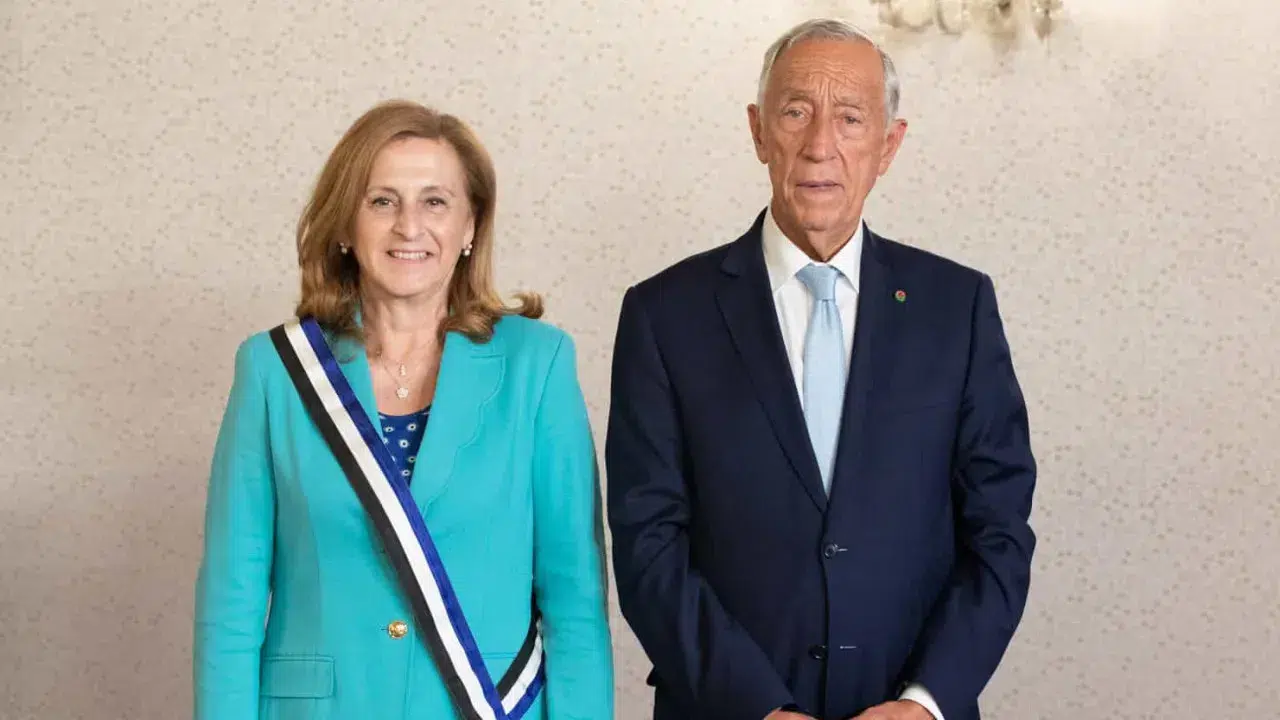
Isabel Furtado, who took over as head in September, discussed the future of Porto’s Casa da Música in an interview marking the institution’s 20th anniversary. She emphasized the importance of extending the reach of music beyond the walls of the Casa da Música to make it more accessible and well-known outside its immediate region.
“The goal is to enhance the visibility and image of Casa da Música beyond this magnificent building. It’s essential to attract more visitors to the Casa da Música and encourage outreach beyond the current audience,” said the chair of the board, with ambitions to captivate not just the city but also the wider region, the nation, and tourists.
Addressing past financial constraints that limited expansion efforts, Furtado stressed the need for increased funding, both public and private, to pursue these goals: “Cultural investment often defies easy measurement, remaining somewhat intangible.”
Responding to inquiries about potential reductions in the existing ensembles within the institution, which currently boasts five associated groups (Orquestra Sinfónica do Porto, Remix Ensemble, Orquestra Barroca, Coro, and Coro Infantil), Furtado dismissed the notion entirely: “Reducing the number of ensembles contradicts our vision; growth is not achieved through downsizing but through expansion.”
Within the strategic goals set forth by the new administration, which includes Rui Sá Morais as executive administrator, Furtado highlighted the forthcoming “Academia da Orquestra” project. Scheduled for realization next year, this initiative aims to provide musicians with more active and participatory roles within the Casa da Música.
“The ‘Academia da Orquestra’ will continue previous efforts to attract musicians for a unique orchestral experience and sustained involvement at Casa da Música,” Furtado articulated. She noted that young musicians starting their careers will have the opportunity to join what could be a pivotal experience for their futures.
Addressing concerns over past challenges, including labor issues and public contracting allegations, Furtado acknowledged these were resolved but recognized the inevitability of future challenges. She remarked, “Casa da Música, like any institution or company, faces daily challenges and opportunities. It embodies the professional reality facing both businesses and artistic entities. We are committed to fostering a positive environment where people are motivated to work.”
Furtado also mentioned that an assessment of short-, medium-, and long-term maintenance needs for the building is underway. This includes replacing seats in the Sala Suggia and enhancing thermal comfort and energy efficiency.
She stated, “We are currently conducting assessments and are yet to determine exact expenditures.”
Construction of Casa da Música began in 1999 as part of the 2001 European Capital of Culture project, eventually opening officially on April 15, 2005.
Marking its 20th anniversary in April, the foundation is hosting celebrations, including a highlight concert featuring significant choral and symphonic works. These performances will see contributions from the Orquestra Sinfónica do Porto, the Casa da Música Choir, the Ensemble Vocal Pro Musica, and the Ivan Filipovic Chamber Choir with Janácek’s “Glagolitic Mass.”
On Tuesday, the precise date of the institution’s official opening 20 years ago, “flash concerts” will occur at various locations, including the Mercado do Bolhão, Hospital de S. João (exclusively for pediatric ward patients and staff), the University of Porto’s Rectory, and at the Casa da Música and Trindade Metro stations.