

“The Portuguese community does not engage much in German politics. I believe that a large part of the Portuguese does not even know the composition of the coalition. For all these reasons, concern is not felt in the Portuguese community,” stated Manuel Machado.
The community advisor, living in Burscheid near Cologne, expressed a preference for a government formation without the need for a coalition, which involves the most voted party, the Christian Democratic Union (CDU), the party of former Chancellor Angela Merkel, collaborating with the Social Democratic Party (SPD).
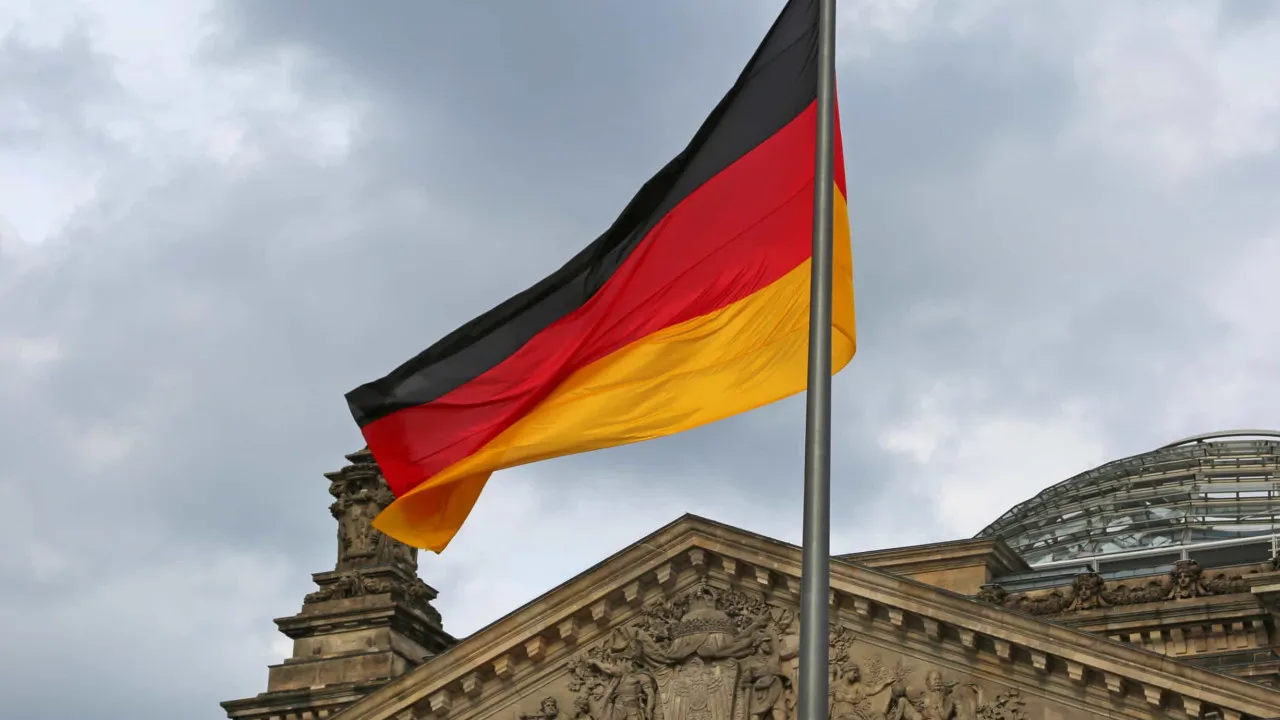
Early elections were held on February 23, and less than two months later, the successful conclusion of negotiations for the formation of a so-called “grand coalition” was announced. However, recent polls indicate the anti-immigration far-right party, Alternative for Germany (AfD), is matching and even surpassing the CDU.
“Unfortunately, they promised things and are now doing the exact opposite. I believe that if elections were held now, the party that no one wants (Alternative for Germany) would be the most voted because people are tired of being deceived,” admitted António Horta.
“For us, I don’t believe there will be changes. The Portuguese community is well integrated. We are Europeans, we have no problems with different ethnicities, religions. Nothing will change,” added the community advisor who has been living in Germany since 1973.
In January, the future Chancellor Friedrich Merz broke a promise by becoming the first CDU leader to approve a motion in the Bundestag with support from the far-right party AfD, considered by secret services as a threat to Germany’s democratic order. The conservatives aim to tighten the country’s migration policies.
In March, Merz agreed with the SPD and the Greens on a reform of the debt brake, something he had explicitly excluded during the electoral campaign.
“The political situation in Germany is complicated, also due to international circumstances,” assessed Mário Botas, who has been in Germany since 1966.
The advisor for the Portuguese communities in Germany doubts the current politicians can change the situation in the country despite their promises.
“If we listen to them in the media, they say yes, they can change things. However, a large part of Germans is not sure about that (…) I am also pessimistic in this respect,” he highlighted.
According to a poll conducted in April by the research institute Forsa for the magazine Stern, only 21% of respondents find Merz trustworthy, nine percentage points less than in August and three points less than in January.
The same study shows that only 40% of respondents consider the new chancellor a strong leader, and 27% think that Merz “knows what moves people,” which is a decline of nine points since January.
Mário Botas recalls that, in addition to concerns about the future of associations and centers, there are other issues troubling the Portuguese community.
“The serious problem for new migrants is arriving here convinced that they need little preparation for life in this country because they are Portuguese citizens. It is a new wave of people coming from urban centers in Portugal, from the lower-middle class, who can only find work in construction, gastronomy, and cleaning services,” he warned.
“In most cases, they manage to find jobs only in small and dubious companies that often exploit them and do not fulfill their obligations to the law and their employees’ rights, preferring to hire foreigners who can be more easily deceived and exploited,” he maintained.