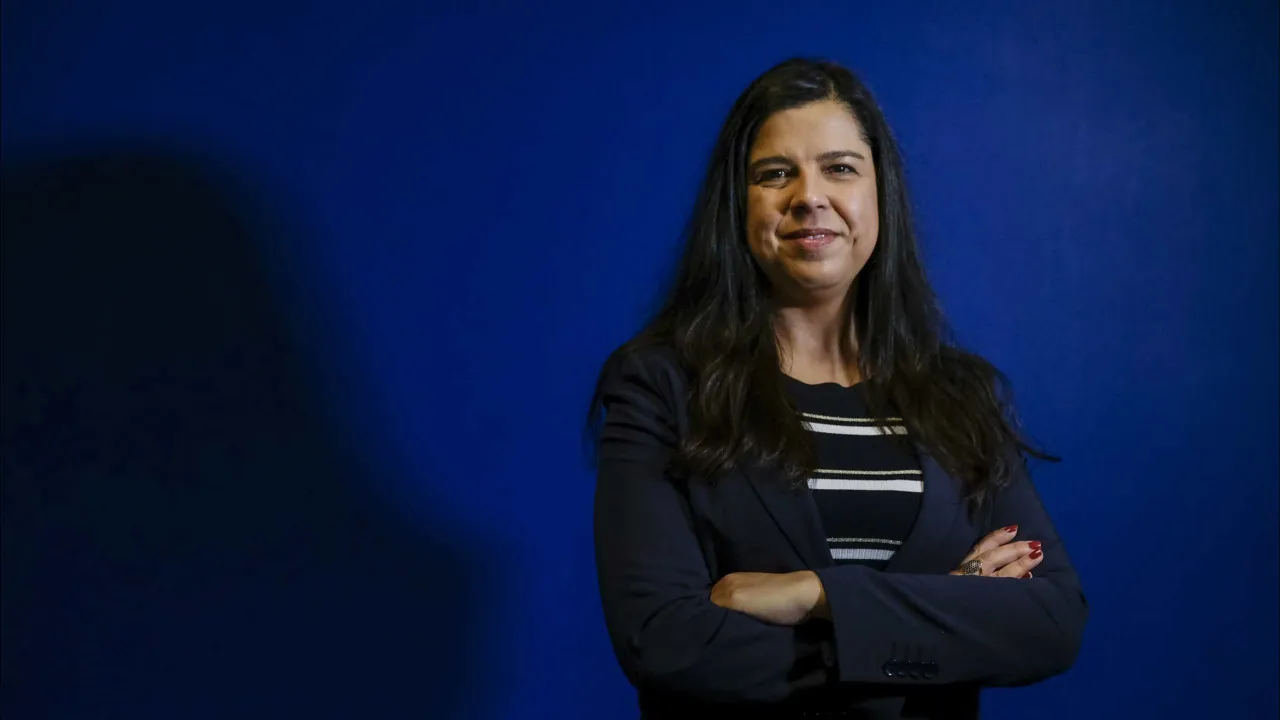
During remarks to journalists at Carcavelos Beach, Cascais, following a meeting with representatives of the SOS Quinta dos Ingleses Association, Inês de Sousa Real emphasized that even with the government in caretaker mode, “the country’s problems do not disappear.” She urged the executive to negotiate to prevent the ongoing strike but appealed for common sense from CP workers, highlighting that the protest “is penalizing the wrong side.”
“I believe that this strike, at this time, during an election campaign, will not solve CP’s problems. Therefore, with all the respect that PAN has for the strike and for CP’s demands, I think the only people being harmed at this moment are the users themselves. The strike should happen after the 18th,” declared the PAN leader.
Inês de Sousa Real asserted her deep respect for the right to strike and the demands of CP workers, criticizing what she described as a “government ignoring their claims.” However, she insisted that “those paying the price are people who want to go to work.”
The PAN leader further added that the “government has not stopped and is in campaign mode,” and thus “is simply not attentive to the real concerns of the people.”
“Luís Montenegro and Miguel Pinto Luz should have already met with the sector so that, for instance, during this campaign period, we are not facing a strike while knowing the government is in caretaker mode,” she stated, urging the executive to commit that, if re-elected, it will address the grievances of the striking workers.
When questioned about the possibility of changing the strike law, suggested by the PSD president today, Inês de Sousa Real expressed her opposition to reducing the right to strike. She believes that “the right to strike includes mechanisms not only of proportionality but also of safeguarding public utility.”
Sousa Real dismissed the notion that this strike has political motivations, attributing it instead to public frustration with the current governments.
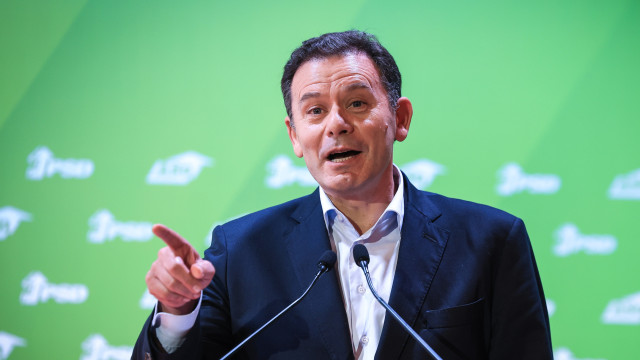
The PSD president and prime minister, Luís Montenegro, today argued that “political, partisan, and electoral influences” have prevented the CP strike from being averted and suggested that it might be necessary to amend the law to balance the right to strike with other rights.
The CP strike, extending until May 14, was called in protest against proposed salary increases “that do not restore purchasing power,” for “collective negotiation of fair salary increases,” and for the “implementation of the restructuring agreement of salary scales as negotiated and agreed,” according to union representatives.
The strike has had a significant impact from Tuesday to today due to the participation of a larger number of unions (14) in these days of the action.
By the decision of the Arbitration Court, these strikes have no minimum service requirement.