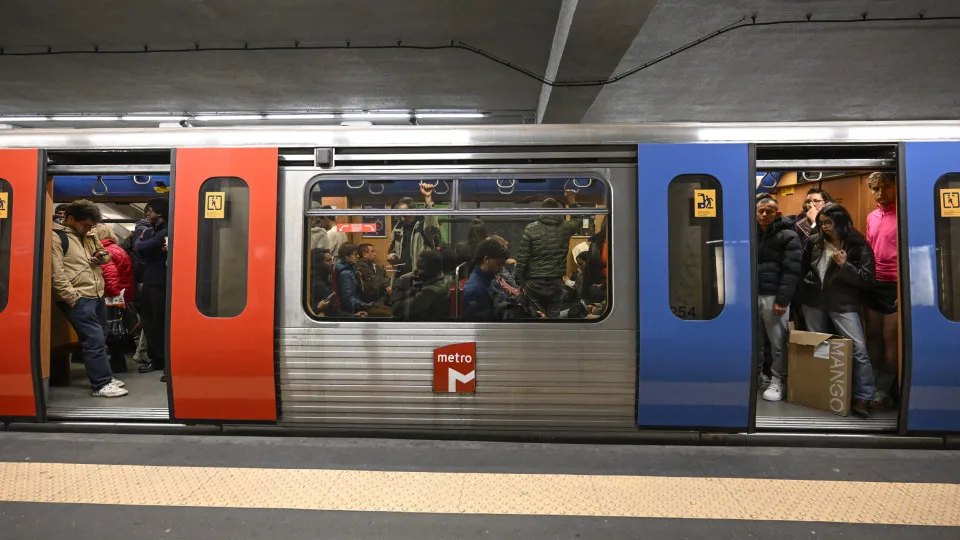


The Minister of Labor has scheduled a meeting with UGT for next Tuesday, December 15, to continue negotiations on the government’s draft labor law reform.
“Despite the general strike that interrupted the ongoing negotiation process, the Minister of Labor, Solidarity and Social Security has called UGT to a meeting next Tuesday at 5 PM to resume negotiations,” stated the Minister, as quoted in a ministry note sent to Lusa.
This announcement comes a day after the general strike organized by CGTP and UGT against the government’s proposed labor law changes, which are under discussion in the Social Concertation.
Meanwhile, the Minister of Finance, Joaquim Miranda Sarmento, expressed his “hope and confidence” in reaching an agreement with the trade unions regarding the labor law review, in statements cited by RTP in Brussels.
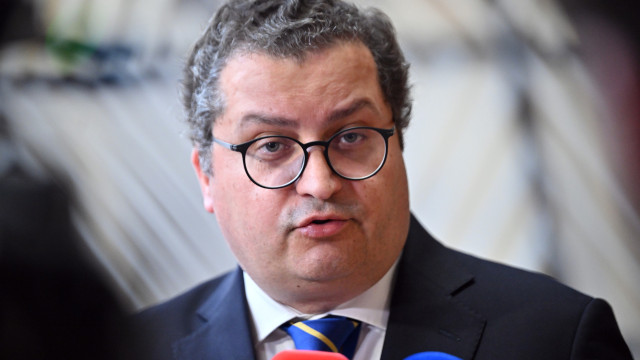
The Finance Minister reiterated the government’s stance on the impact of the December 11th general strike.
Candidates for the Presidency: Their Perspectives
Luís Marques Mendes, while visiting the lota of Costa da Caparica in Almada, commented on the general strike and the potential agreement between UGT and the government. He noted, “If everyone maintains a spirit of balance, openness, dialogue, and negotiation, I think we will reach an agreement. Otherwise, the situation will become complicated.”
When questioned about whether the government undermined negotiation prospects by calling the general strike “inexpressive,” Mendes downplayed these comments, saying, “Everyone performs their role. The unions attacked the government, and the government downplayed the strike. The most crucial aspect is that there will be a meeting next week between the government and UGT, and then involving social partners in social concertation. If that happens, it is the best sign of the day,” he noted.
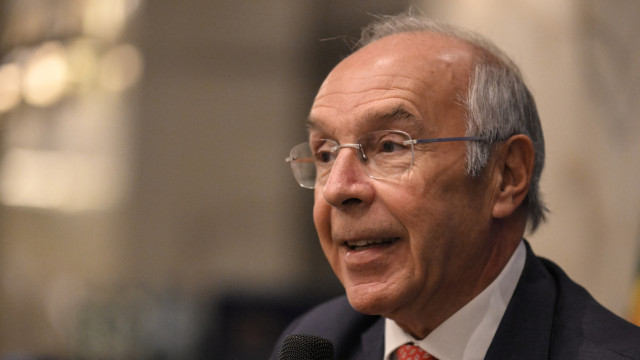
The presidential candidate Luís Marques Mendes considered yesterday’s strike a “hiccup” in labor package negotiations. However, he did not find it “dramatic” and called for a spirit of dialogue among all parties to reach an agreement.
António José Seguro made an appeal for the government to withdraw the labor proposal and start new discussions for the necessary peace and social stability: “I once again appeal to the government to withdraw this proposal and initiate new talks in social concertation between employers and workers’ representatives,” challenged the candidate.

António José Seguro believes the package presented by Luís Montenegro’s government “violates a democratic principle because this labor legislation proposal was not presented to voters during the election campaign and later failed in social concertation.” “I do not understand the timing or the necessity of this labor legislation.”
Gouveia e Melo expressed disagreement with the approach used by the government and social partners in negotiating the labor reform proposal, calling for “cohesion” of the parties around a new model of economic development for the country. “Why can’t we unite around a fact, which is our economy needing to be more prosperous, pay better wages, and not precariously employ workers?”

The presidential candidate stressed the need for social partners to find a “balance” because “only with cohesion can the economy develop: “I disagree with the attitude with which negotiations are being conducted. We must negotiate; the unions, employers, and the government need to understand that cohesion for a new economy is the fundamental pillar of a different economic development model that must include an economy that pays better wages.”
João Cotrim Figueiredo acknowledged that the general strike drew significant participation, mainly in the public sector, but urged the government not to reverse priorities “just because it encounters social resistance.”
“I only hope that if the government recognizes the need to change labor legislation and make it more flexible as a priority, it doesn’t simply reverse this priority just because it encounters social resistance,” Figueiredo stated to reporters after visiting the institution Dona Ajuda in Lisbon.
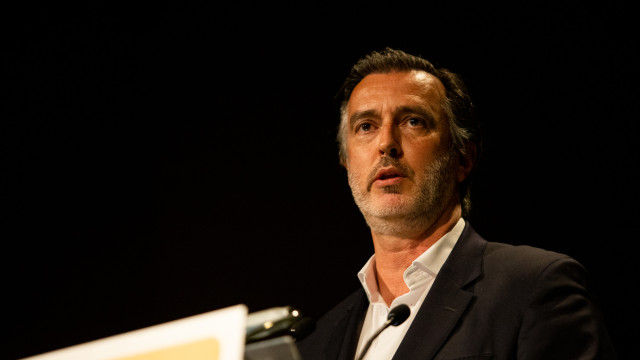
Jorge Pinto advised the government, following Thursday’s general strike, to listen to workers when meeting with trade unions to discuss the new labor package. “It’s not just about talking; it’s about talking and listening. The government has not wanted to listen to the workers, and yesterday they continued not to want to listen when Minister Leitão Amaro said the strike turnout was inexpressive,” said the candidate backed by Livre in Porto, on the sidelines of a dinner with supporters.
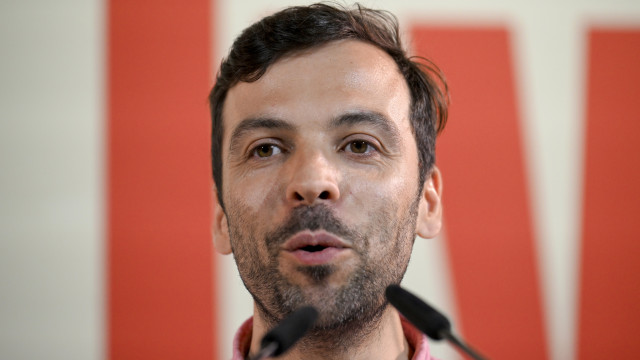
Chega Opposes Labor Package (Unless Government Concedes)
Chega’s leader, André Ventura, announced his party will vote against the new labor package in Parliament if the government does not concede on points such as dismissals and parental scope changes.
“If it stays as it is now, it’s wrong, [Chega] is against it. Because it is wrong. It is an attack on those who work, an attack on those who invest, an attack on those who strive. It’s that simple,” said the candidate for Belem, when questioned on whether the party will vote against the bill if no changes are made.

With the current parliamentary composition, the PSD/CDS-PP government requires the support of either PS or Chega for a majority to pass legislation. However, the socialists have maintained a critical stance, indicating they find no “positive points” in the current labor legislation proposal. If Ventura’s party remains opposed, the amendments risk being rejected by the Assembly of the Republic.