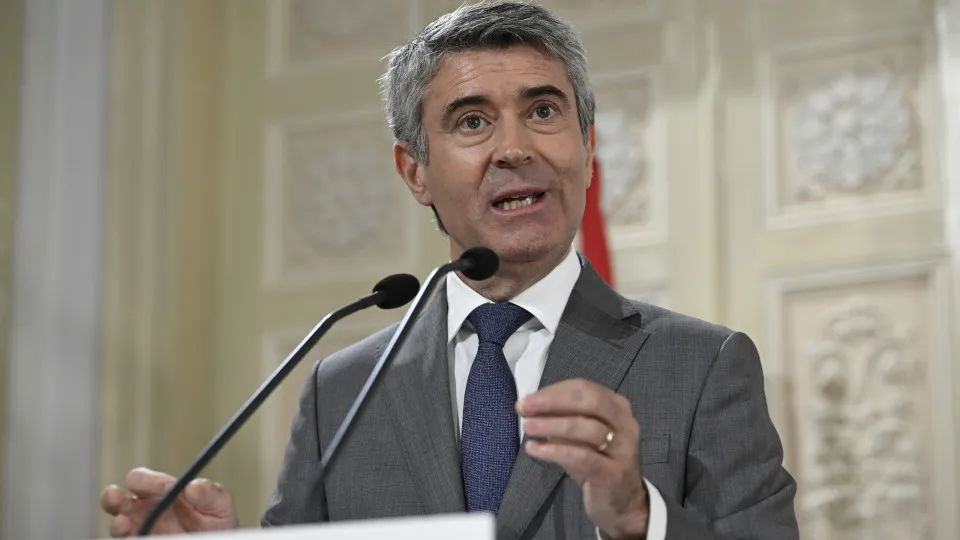


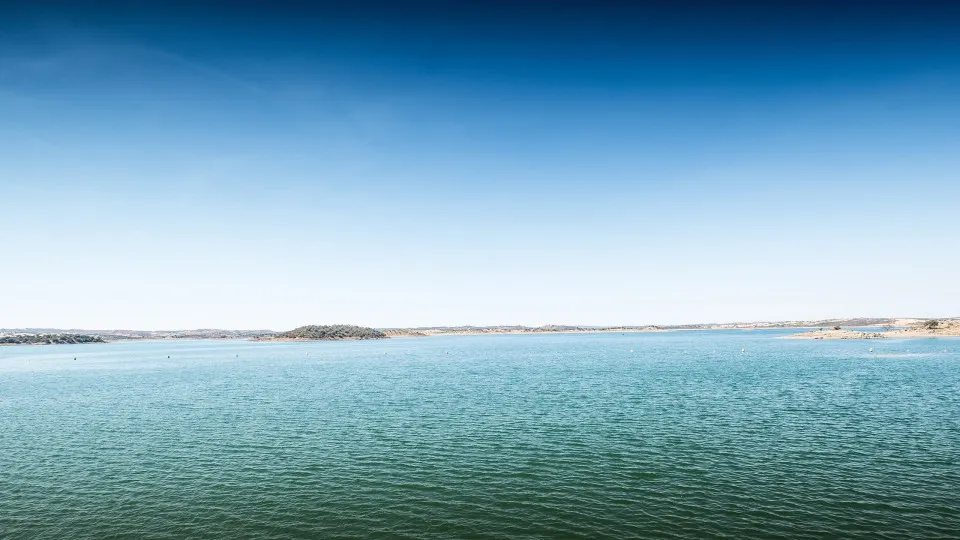
José Pimenta Machado provided an update on the water reserves in the Algarve region, noting that while November presents the “best situation in the last 10 years” for surface water storage, the drought has not ended. Emphasizing the continued need for exemplary water efficiency efforts, he highlighted the importance of sustainable management amidst ongoing challenges.
When asked about the duration for which current water reserves can meet consumption needs, Pimenta Machado assured that urban consumption is secured for three to four years, even in the face of severe droughts. He reiterated the necessity for efficient water management.
“We must manage water well to prepare for upcoming years, which are expected to be dry, with reduced precipitation. Although some sectors believe the drought has passed, it hasn’t. It’s a temporary situation; we were fortunate now, but must brace for the future,” he stated.
Currently, water reserves across the six Algarve dams average 72% capacity, equating to 322 hectometers, with Odelouca Dam, crucial for the western region, at 77% capacity.
The president of the Portuguese Environment Agency (APA) highlighted that Odeleite Dam in the eastern region stands at 76%, bringing the two largest dams close to 80% capacity in this wet period, with further rainfall expected through winter.
Pimenta Machado also emphasized that Funcho Dam, located in the west and previously severely impacted by drought, has reached 80% capacity and is releasing excess water.
“Storm Cláudia enabled a 5% recovery, increasing from an average of 67% to 72% across the six reservoirs,” the APA president quantified.
He underscored that the region is currently experiencing its “best situation in the last 10 years” regarding water storage in dams.
“However, we must not forget that in January 2024, we were in the worst situation ever, with only four to five months’ worth of water,” he cautioned, recalling previous conditions that led the government to impose consumption restrictions on urban use, agriculture, and tourism.
The APA president advocated for the continued “conscious use of water” and sustained efforts to improve the region’s water efficiency.
This work stands as an “example for the country and the European Union,” he noted, urging its continuation. He highlighted the severe impact of the drought, resulting in consumption restrictions in key sectors like tourism and agriculture.
Despite reservoir levels being at 72%, underground water bodies such as aquifers have not significantly recovered, he pointed out.
“We need sustained rainfall for subterranean water bodies to recover, as they suffered greatly during the drought,” he stated.
As an example, Pimenta Machado cited the Querença-Silves aquifer, the primary underground reserve in the Algarve, which remains at “very low” levels of less than 20% capacity, he warned.