


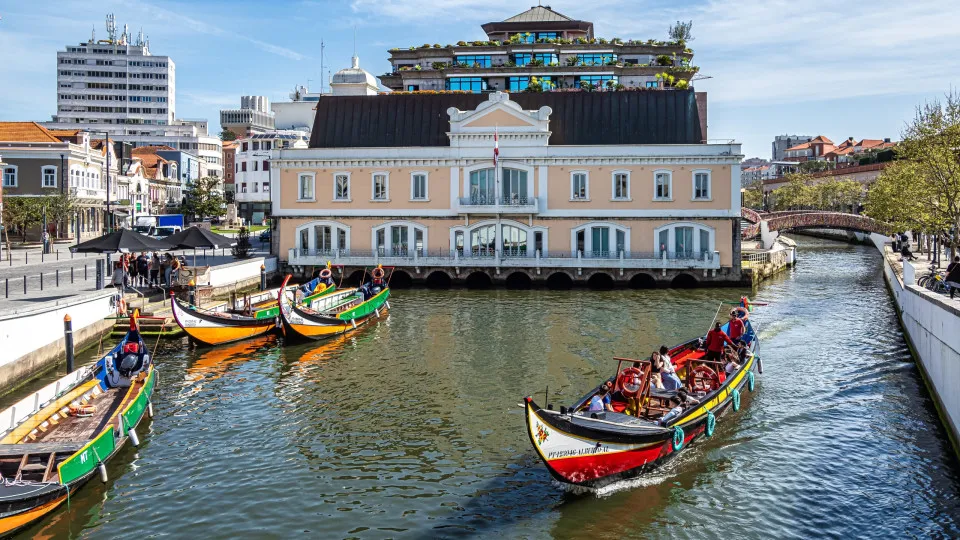
The decision was made during the 20th session of the Intergovernmental Committee for the Safeguarding of the Intangible Cultural Heritage, ongoing until Saturday in New Delhi, India.
According to documentation available on the UNESCO website, besides the moliceiros for the urgent safeguarding list, Portugal had no nomination for voting for the list of Intangible Cultural Heritage of Humanity at this committee session.
The Moliceiro Boat was already inscribed in 2022 on the National Inventory of Intangible Cultural Heritage, an initiative by the Intermunicipal Community of the Aveiro Region (CIRA).
The documentation on the UNESCO site notes that, although considered a representative practice of regional identity, only five master moliceiro builders remain active, with four of them being over 60 years old.
The UNESCO candidacy included a detailed list of proposals to reverse the situation, ranging from engaging with the school community to better acquaint them with this practice to installing electric motors on tourist vessels.
A unique aspect of the moliceiro boats are the paintings on the stern and bow: “the prow is the monumental part of the moliceiro, where figures, drawings, and legends are unique, unrivaled in any known navigation type,” wrote Jaime Vilar in a book dedicated to this vessel.
In that work, the author classified the prow legends as “satirical, humorous, and erotic,” “religious,” “romantic, cheeky and roguish,” “professional, moral and historical.”
The same author, based on data collected from artisans, described that a moliceiro measures, on average, “15 meters in length, displaces about five tons, and has a flat bottom with little draft, a detail that allows it to navigate where keel boats cannot pass.”
In the 1970s, three thousand moliceiro boats were registered to operate in the Ria de Aveiro, but it is estimated that little more than 50 vessels remain, half of which are used for tourist exploration in the urban canals of the Ria.
According to the public institute Cultural Heritage, Portugal has eight manifestations inscribed on the Intangible Cultural Heritage of Humanity, two on the list that Need Urgent Safeguarding, and one registry of Best Safeguarding Practices.
The two other Portuguese inscriptions on the urgent safeguarding list are the black pottery of Bisalhães and the manufacture of rattles.