
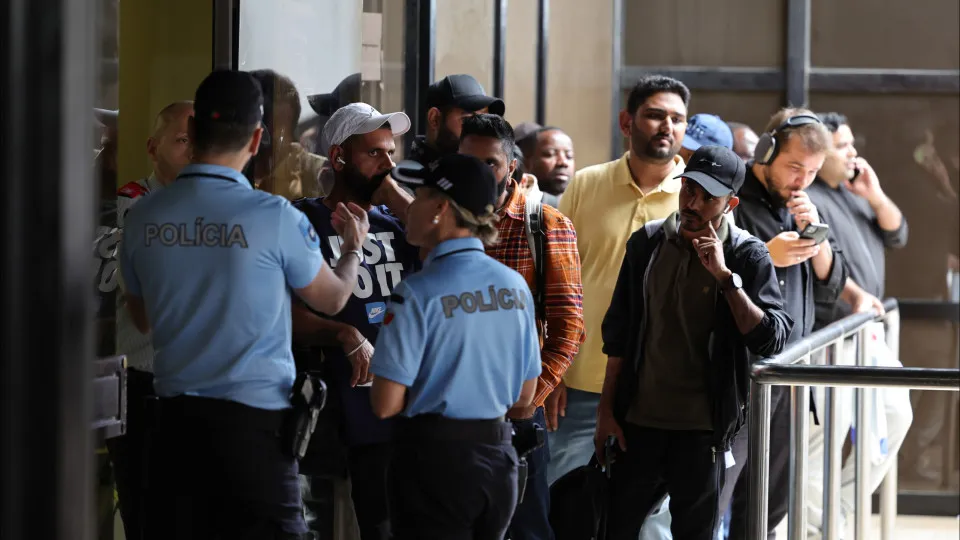


With a significant population of immigrants from India, Pakistan, Bangladesh, Nepal, and Bhutan, the local council had been conducting services in English until about a month ago. However, João Pica noticed that “neither the immigrants understood the staff’s English, nor did the staff understand the immigrants’ English.”
João Pica recently took office as the president of the Venteira Parish Council, located in the heart of Amadora city, a month ago, making this one of the first changes he implemented.
“What I observed in three or four services that I attended was that, by the end, neither our staff understood half of what the interlocutor was saying, nor did the client, in that instance, understand half of what our staff was saying,” he told Lusa.
According to João Pica, the fact that the English spoken by these immigrants is “very rudimentary” results in a lack of understanding.
One consequence of this communication barrier was complaints from some immigrants, who claimed they received incorrect information from the council.
“I cannot have staff risking being cooperative with someone who later comes back and files a well-founded complaint because they received what they thought was correct information, but it wasn’t,” he noted.
The council leader explained that services continue without the need for an official translator.
“We do require that the person brings someone for translation, someone who speaks Portuguese, understands Portuguese, and translates to the native language of the person being attended to,” he continued.
João Pica mentioned that the changes are “going well,” having overcome “one or two constraints” involving people who were unaware of the necessity for a translator.