


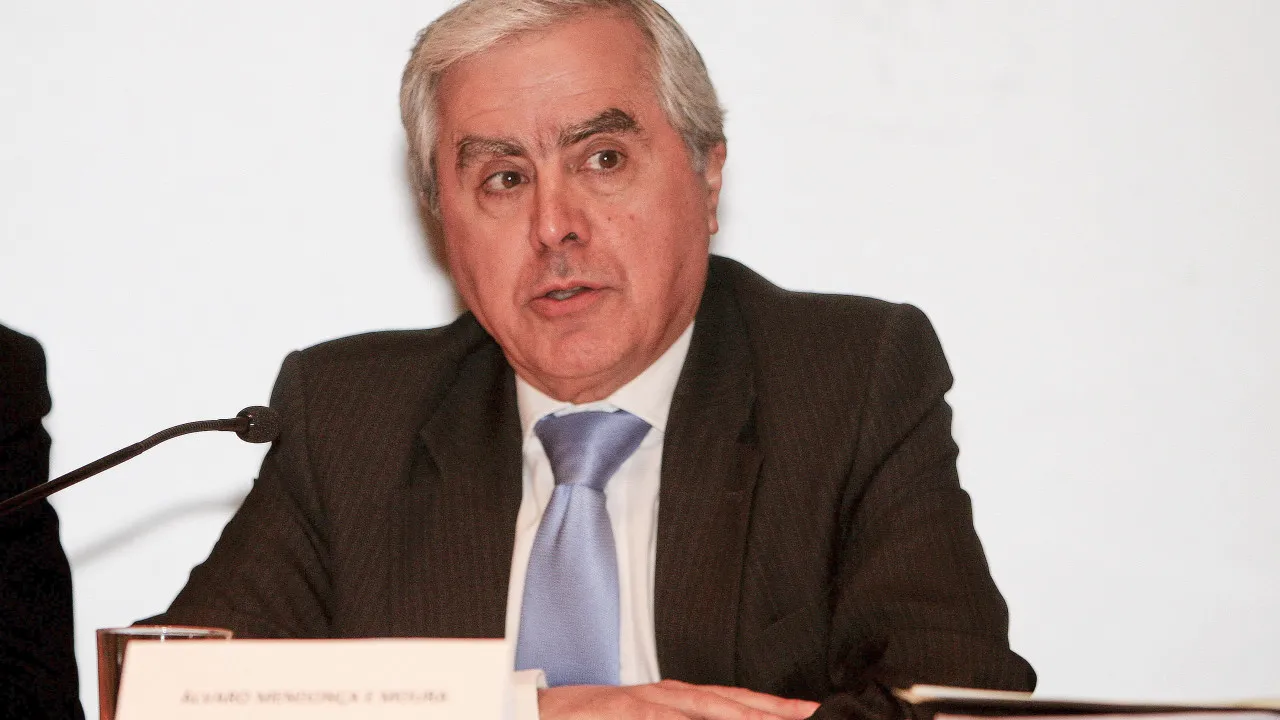
The newly elected government, emerging from the legislative elections on May 18, faces two significant challenges, indicated Álvaro Mendonça e Moura, president of the Confederação dos Agricultores de Portugal (CAP), during a colloquium in Odemira, Beja district.
One challenge involves discussions on the Common Agricultural Policy (CAP) funds, set to begin in July, with the expectation of implementation in 2028. This negotiation is anticipated to be extremely challenging for Portugal.
The second major challenge will be implementing the Água que Une—National Water Management Strategy.
“I don’t care if the strategy could have been better, shifted left or right, up or down. I just want it done, executed, and advanced,” he asserted.
According to Álvaro Mendonça e Moura, “over time, this strategy will improve and be corrected,” but it must be executed, or there will be no structural reform in the agri-forest sector.
“The Ministry of Agriculture is not functioning; that’s clear. But the fundamental, structural issues are these two: the budget and Água que Une, which are the factors that will change operating conditions in the agri-forest sector in the country,” he emphasized.
During his closing remarks at the colloquium “Irrigation and Housing: Critical Success Factors in Odemira,” promoted by the AHSA—Associação de Horticultores, Fruticultores e Floricultores do Sudoeste Alentejano, the CAP president insisted that Portugal should aspire to be ambitious regarding water, as it significantly impacts national development.
“Agriculture and forestry must aim to grow, and this can only be achieved with water. There’s no other alternative. My point here is to make as much noise as necessary for the government to execute the Água que Une strategy,” he said.
One focus of this strategy, he maintained, is the connection of the Tejo River to the Alqueva reservoir, which, according to Álvaro Mendonça e Moura, “must be a hub reaching as much of the territory as possible.”
“And this can only be done if it is fed, because Alqueva alone is finite. Alqueva is finite, but water is not. We don’t lack water in Portugal,” he argued, stating that water should be directed “to where it is needed” once the needs of certain areas are met.