


In a newly released report, it is highlighted that the Chinese currency has depreciated by 7.5% against the euro since the beginning of the year, reaching its lowest level in a decade, despite China’s continual trade surpluses, which are projected to exceed one trillion dollars (860 billion euros) by 2025.
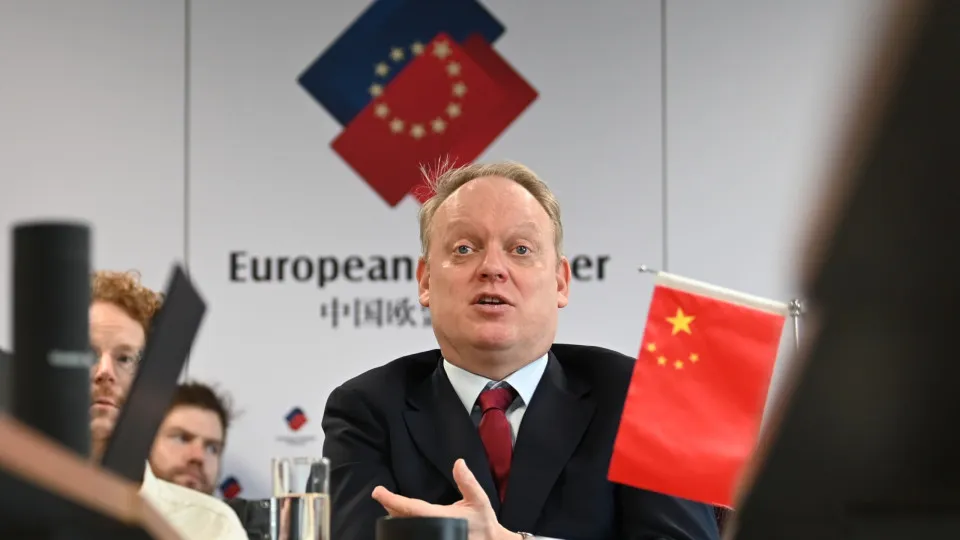
“The undervaluation of the renminbi acts as a subsidy for exports,” stated Jens Eskelund, President of the European Chamber, warning that this perception may lead to the imposition of tariffs or ‘antidumping’ investigations by other nations.
Economists cited in the report indicate that the real effective exchange rate of the Chinese currency—weighted by a basket of currencies—has dropped by 18% since March 2022. This trend is due to weak domestic demand and industrial overcapacity, which have kept prices under pressure.
Today’s official data confirms this trend, with producer prices decreasing by 2.2% in November, marking the 38th consecutive month of contraction. The consumer price index rose by 0.7%—the highest level since February 2024—but remains modest.
Beijing denies any currency manipulation, emphasizing adherence to market principles. Nevertheless, the People’s Bank of China continues to maintain strict control over the exchange rate.
Despite robust external performance, China has focused on bolstering the high-tech industry rather than stimulating domestic consumption, deepening deflationary pressures.
The European Chamber’s report comes at a time when other foreign business associations are warning about operational challenges in the Chinese market, although some companies are finding opportunities in partnerships with Chinese groups undergoing international expansion.