

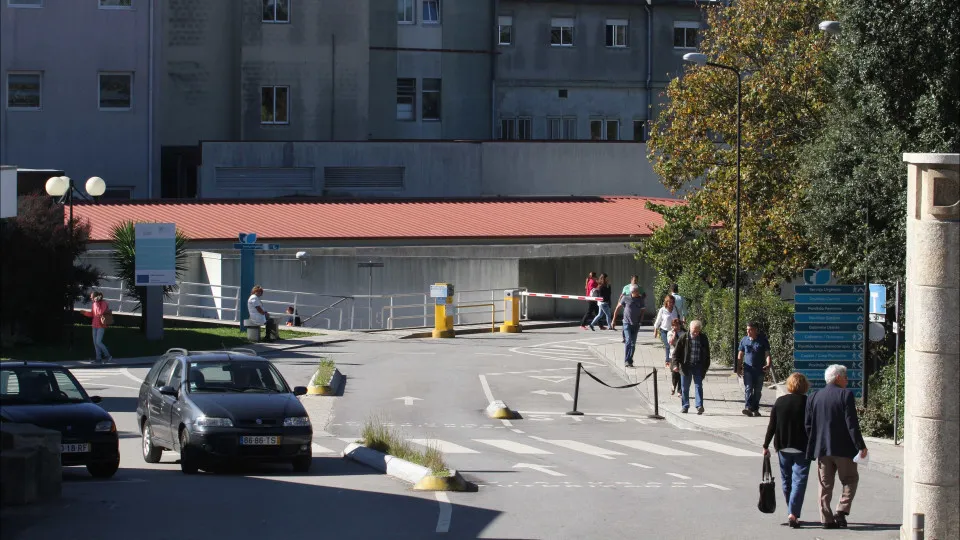
The general strike is impacting various sectors. CGTP released the latest update on the strike participation this Thursday, by 10:50 a.m., highlighting numerous closures affecting municipalities, schools, health services, and companies.
The extensive list of closures is available here. Additionally, some places show 100% participation, while others have around 50% adherence to the strike.
“There is something nothing can hide: the scale of this strike, the workers’ determination to reject this labor package,” said Tiago Oliveira, general secretary of CGTP, in statements broadcasted by SIC Notícias.
In Public Administration, “the impact is very strong,” said Tiago Oliveira, noting that the strike’s magnitude in the private sector is also evident: “Here is the response the Government needed and wanted to hear,” he stated. “Withdraw the labor package from the table,” he concluded.

This Thursday, December 11, is a day of general strike, and the impact is visible across various sectors. From healthcare to education, including transport and public services, follow the developments of the stoppage in Portugal.
Notícias ao Minuto | 06:00 – 11/12/2025
The general strike on December 11 was called by CGTP and UGT against the proposed labor code revision and marks the first joint stoppage by the two unions since June 2013, during Portugal’s ‘troika’ intervention.
Labor reform? Some points raise constitutional concerns
Opposition to the reintegration of workers, extension of minimum strike services, collective bargaining, and simplification of dismissals are the Government’s labor reform changes that raise questions about their constitutionality according to labor law experts.
César Sá Esteves, partner at SRS Legal and expert in Labor and Social Security Law, considers the “most controversial” change in the labor reform draft presented by the Government is the opposition to the reintegration of unlawfully dismissed workers, as it allows the employer to request the court to “exclude reintegration, on grounds of facts and circumstances making the worker’s return severely detrimental and disruptive to the company’s operation,” according to the text of the bill.
While the current law already allows non-reintegration when small businesses (up to 09 workers) are involved or when the worker held an executive position, extending this measure to all companies, regardless of size, raises doubts about its constitutionality.
“If there is an unjust dismissal, the natural consequence should be to ‘undo’ the unlawful act and allow the worker’s reintegration into the company that dismissed them without cause,” explains César Sá Esteves to Lusa, recalling that the Constitution prohibits dismissal without proven cause.
However, the lawyer notes that when a court finds a dismissal illegal, “the worker, most often, chooses to receive compensation plus the wages due and does not intend to return to the company.”
Even so, “this is perhaps the most sensitive change, from a constitutional point of view,” he stated.
The jurist also points out that “many changes in this labor reform, whether one agrees with them or not, are a return to measures previously in effect,” citing examples such as the reestablishment of individual hour banks, removal of outsourcing restrictions post-dismissals, or the extension of fixed-term contracts duration.
For Madalena Januário, partner at RBMS law firm and expert in Labor and Civil Law, the two new measures raising most constitutional doubts are the changes to strike law, with the planned extension of minimum services to care homes, nurseries, food supply, and essential goods or equipment security, along with the review of collective bargaining agreements (CCT).
“Extending minimum services to activity sectors where they are not essential limits the right to strike as provided in the Constitution,” says the jurist.
[Updated at 11:14 a.m.]