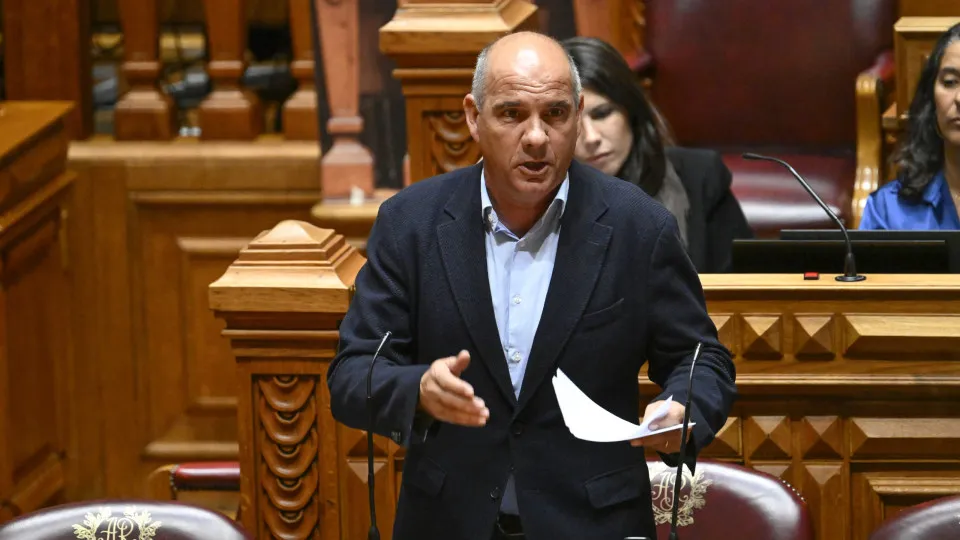


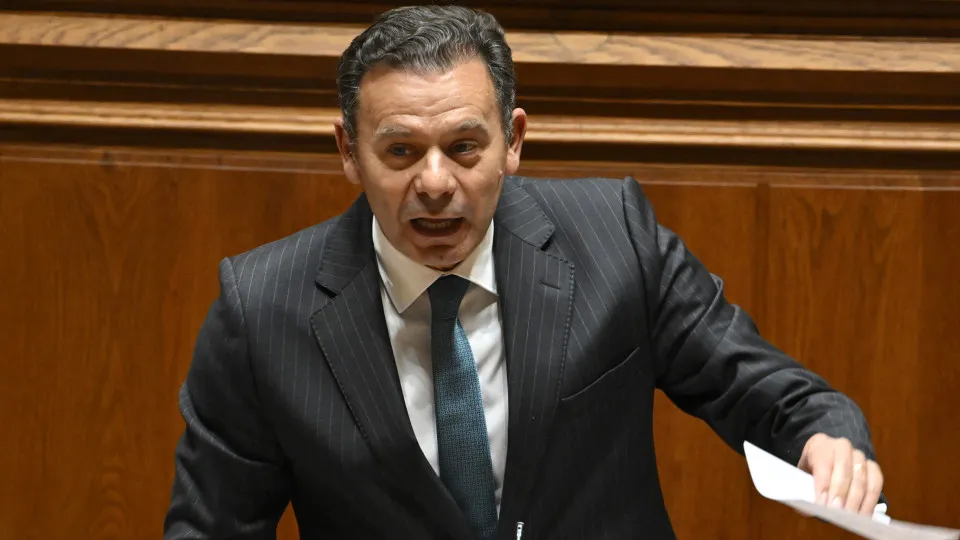
In the preparatory debate for the upcoming European Council, scheduled for December 18 and 19, 2025, which will address the negotiations for the next Multiannual Financial Framework (2028-2034), Luís Montenegro reiterated that Portugal’s priorities are “cohesion policy and the common agricultural policy,” emphasizing that these “are fundamental pillars of the European Constitution itself.”
“The next multiannual financial framework should provide positive discrimination for countries with a gross national income per capita below 90% of the European Union average and continue to allocate specific funding for the outermost regions, including the autonomous regions of Madeira and the Azores, to address the increased challenges these regions face,” he advocated.
Regarding this issue, Montenegro stated that Portugal has “actively participated in preparatory debates with the Commission,” stressing “the importance of this new financial framework being balanced and addressing both European and national interests.”
“We have consistently argued that these are essential policies for social cohesion, economic growth, European economic competitiveness, and also for our common economic and food security,” he remarked in his initial comments.
Montenegro acknowledged that this community budget “is under enormous pressure” due to the repayment of loans from the PRR (Recovery and Resilience Plan), as well as support for Ukraine, investment in security and defense, and strengthening European competitiveness.
“It is a difficult, challenging task and will be demanding for everyone, but we aim to successfully achieve the final result,” he asserted.
During the debate phase, Montenegro was questioned again by PSD deputy Paulo Moniz (elected by the Azores) about the importance of a “direct and specific support” to the outermost regions and ensuring that the funds intended for cohesion and common agricultural policy do not regress.
In response, Montenegro highlighted the various challenges that will influence this next financial framework, but stressed that Portugal’s arguments have “support in European treaties.”
“And also in the very purpose, underlying the principles of solidarity and justice among Member States that cohesion policy and the common agricultural policy encompass,” he stated, noting that European competitiveness is not possible without economic, social, and territorial cohesion.
The Prime Minister argued that building a competitive Europe is not feasible if regions with more difficulties are “stigmatized,” warning that this could lead to lower development indices, resulting in social problems within the European Union.
[Updated at 2:10 PM]