
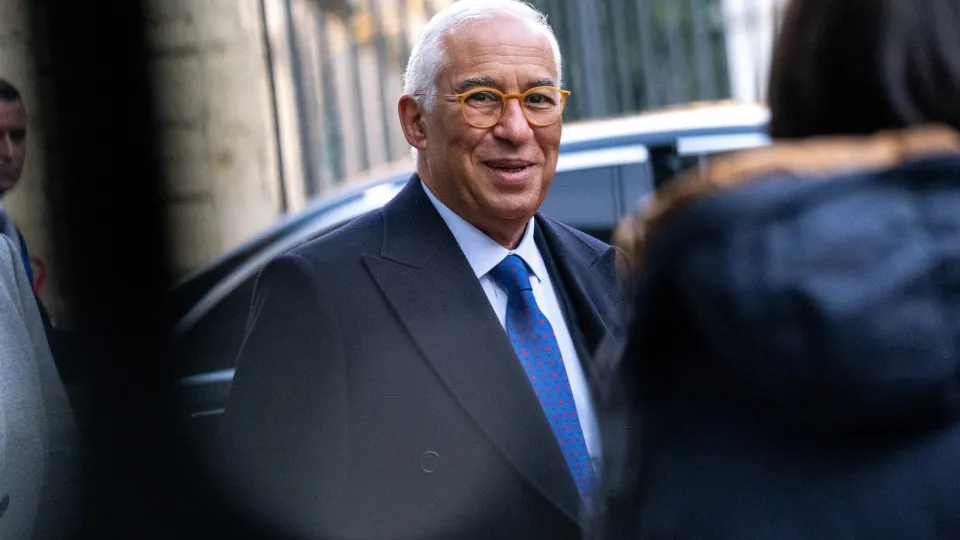
In response to the recordings published today by the magazine Sábado, concerning the Operation Influencer, and revealing conversations between António Costa and members of his executive team, the former Prime Minister’s defense questioned: “Why is the content of certain criminal proceedings still released intermittently, which are still under investigation, and to which access is not granted to those who have the most legitimate interest in them?”
In a statement sent to Lusa, lawyers João Lima Cluny and Diogo Serrano argued that the Public Prosecutor’s Office “has the obligation to clarify what it has been doing and publicly demonstrate that it has always complied with legal requirements.”
Even though António Costa was not targeted by wiretaps, several suspects and defendants in Operation Influencer were under surveillance, and thus the conversations involving the former Prime Minister needed validation by the Supreme Court of Justice.
In this context, as reported by the magazine Sábado, Supreme Court Judge Joaquim Piçarra warned the Public Prosecutor’s Office that “interactions conducted during the criminal investigation are solely a means of proof of criminal offenses and not a means of scrutinizing governmental activities” and that, therefore, “they cannot be used to lay bare government actions and institutional contacts established by the Prime Minister and other government members.”
In light of these considerations by the Supreme Court of Justice, António Costa’s defense now seeks to understand “why the 50 interactions remain in the process.”
Lawyers João Lima Cluny and Diogo Serrano also considered that “what seems to become clear, after all this time, is the acceptance of a manner of proceeding in which processes emerge not because there is news of any crime, but to one day, perhaps, who knows, find them.”
On November 7, 2023, five people were detained and subsequently released in the context of Operation Influencer, including Costa’s then Chief of Staff, Vítor Escária.
There are suspicions of crimes related to the construction of a data center in Sines, Setúbal district, the exploitation of lithium in Montalegre and Boticas, both in the Vila Real district, and the production of energy from hydrogen, also in Sines.
The case led to the fall of the absolute majority government of the current President of the European Council.