

“The minister needs to take more action rather than just giving speeches,” stated José Manuel Oliveira, the coordinator of the Federation of Transport and Communications Unions (Fectrans), in remarks to Lusa.
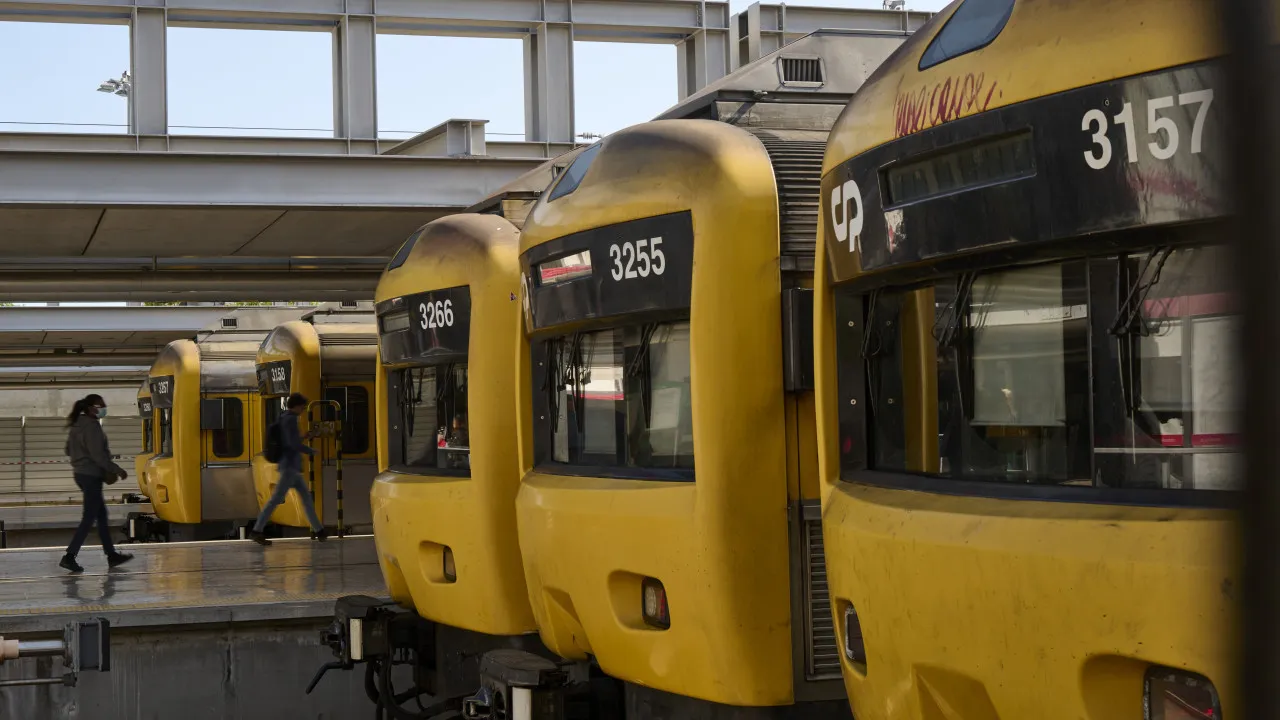
According to the union federation, today’s strike, occurring without minimum services, continues to bring CP train circulation to a complete halt across the country as of 1 p.m., a situation expected to persist throughout the day.
“Instead of making public speeches, the minister should genuinely show flexibility to engage in discussion rather than entering a meeting and saying ‘it’s this or nothing,’ which is not a negotiating position,” José Manuel Oliveira emphasized.
The Minister of Infrastructure and Housing, Miguel Pinto Luz, today accused the unions representing CP workers of politically motivated actions in halting the country with a strike during election times, asserting that the Government “does not yield to pressure” and had attempted to negotiate with the unions “to the extent the law allows” for a government in management.
“The minister must consider that we are claiming an agreement that was made and, even in his words, based on the ministry’s positions. This agreement was reached on April 24, yet it is unclear why, two days later, CP declared it could not be implemented because it lacks the minister’s approval,” explained José Manuel Oliveira. He suggested Pinto Luz was either “acting in bad faith” or unaware that, given the Government’s current management status, it could not uphold the agreement reached between the company and the unions, which management deemed “historic.”
The union leader stated that on Monday, the minister did not propose anything to the unions but merely communicated that a “legal loophole” had been found, allowing CP to implement part of the agreement, amounting to 5.7 million euros.
“If lawyers can find ‘loopholes’ for that, they can also find ‘loopholes’ to ensure that, regardless of what happens in the next electoral framework, workers have at least some guarantee that what has already been agreed upon, the expectations created, and the work done by management and unions won’t have to start from scratch,” José Manuel Oliveira highlighted.
The federation of unions thus reiterated its willingness to “talk for as long as necessary” to resolve the “ongoing conflict as quickly as possible.”
“More than speeches, we truly want openness from the Government for solutions, rather than arriving at meetings saying, ‘this is the solution we found, and this is non-negotiable, there’s no discussion possible,’ which solves nothing,” the union leader underscored.
The strike, set to continue until May 14, was called against the imposition of salary increases “that do not restore purchasing power,” for the “collective negotiation of fair wage increases,” and for the “implementation of the restructuring agreement of wage tables as negotiated and agreed,” according to the unions.
The strike will have a significant impact on today and Thursday due to the higher number of unions (14) joining the stoppage on these days.
By decision of the Arbitration Tribunal, the strikes do not include minimum services.