
The inauguration, scheduled for 7:00 PM today, the day António Variações would have turned 81, is “open, but subject to the maximum capacity of the venue due to safety concerns for both people and exhibits,” announced the MUDE in a social media post.
During the opening of “Meu nome António,” the exhibitions “Para que servem as coisas?” and “João Machado. Poética Visual” will also be freely accessible to the public.
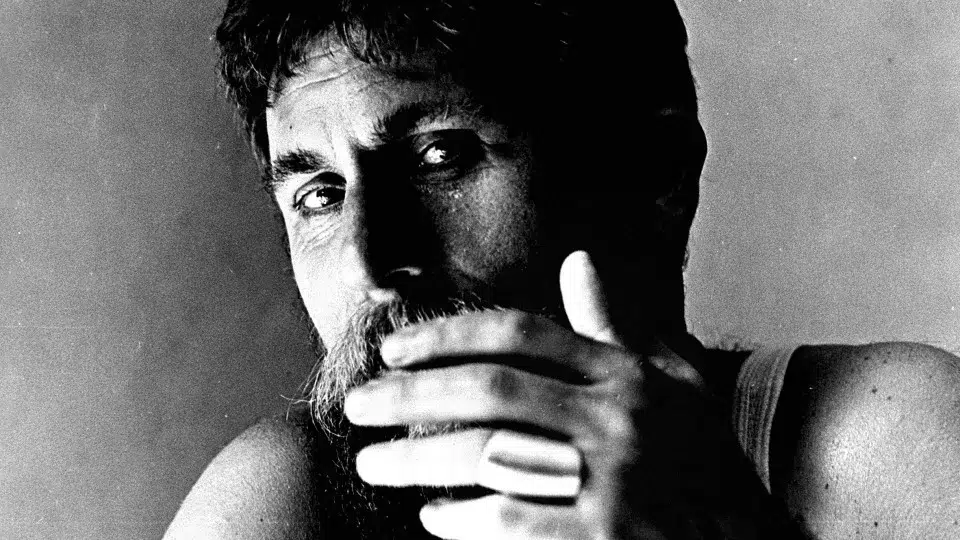
According to information on the museum’s official website, “Meu nome António” features 85 photographs by Teresa Couto Pinto, described as “an agent, photographer, and more than anything, a friend” of António Variações.
“Meu nome António” will showcase images from “various photography sessions” conducted by Teresa Couto Pinto with António Variações between 1981 and 1983, “where, image by image, the strong personality, creative freedom, charisma, and visual aesthetics of Variações are evident, along with his ease, confidence, and rapport with Teresa Couto Pinto.”
“During these photography sessions, some of António Variações’s signature images were born, such as the one where he pretends to stab a scissor into his chest or the one depicting him with a barber’s scissor and a microphone,” states the museum.
In addition to well-known, lesser-known, and even unpublished photographs, clothing and accessories worn by António Variações will also be on display.
Curated by MUDE’s director, Bárbara Coutinho, the exhibition “Meu nome António,” created in collaboration with Terra Esplêndida, will be available from Thursday until April 26.
Bold and irreverent, influenced by fado, popular music, and pop rock, António Variações, a barber by trade and artist by vocation, passed away at 39 in June 1984, leaving behind only two albums and several songs that are part of Portuguese pop music history, including “Canção do engate,” “O corpo é que paga,” and “Estou além.”
The life and musical work of António Variações inspired a play, a fiction film, biographies, exhibitions, performances, and an album of reinterpretations by the project Humanos.