
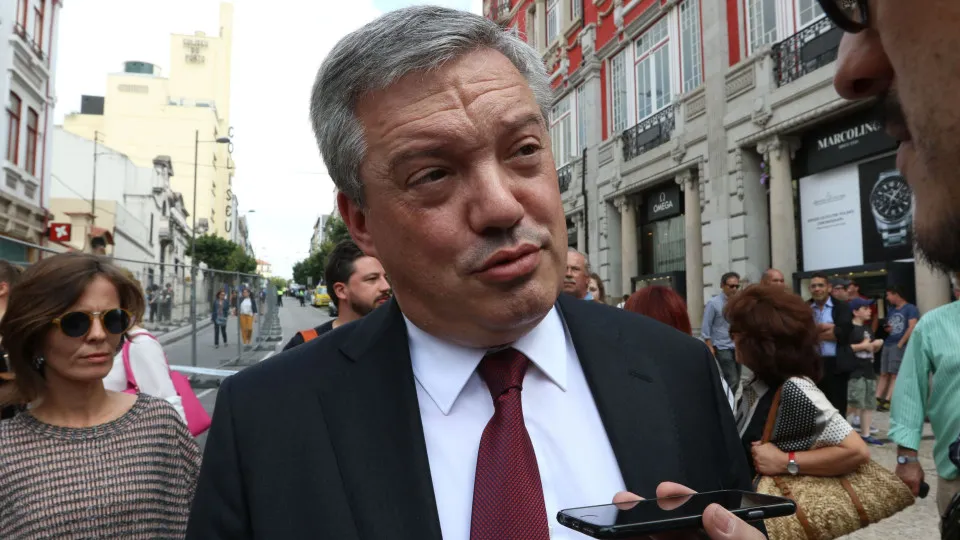
In a Facebook post, the former mayor stated he submitted a request in a letter to the President of the Court of Auditors, Filipa Urbano Galvão, accusing the current administration, led by Luís Filipe Menezes (PSD/CDs-PP/IL), of using the municipality’s accounts as a tool for “personal and political persecution.”
In the letter dated December 6, accompanying the post, Eduardo Vítor Rodrigues mentioned that during the election campaign, Luís Filipe Menezes announced an external audit of the Vila Nova de Gaia City Council, in the Porto district. However, “after all this time” no known steps have been taken, with only “rhetoric and media show-off,” he claimed.
“At a time when it’s important to safeguard institutional dignity, facts’ integrity, procedural swiftness, and combat hatred, I (…) request the best efforts for an Independent Audit by the Court of Auditors (the only one that can be swift and authoritative) to be conducted urgently,” he justified in the letter.
The former mayor emphasized that this procedure, once all elements are examined, will serve to “safeguard the municipality’s reputation with partners and suppliers, as well as the name of those (politicians and technicians) who achieved good municipal governance for Gaia.”
Eduardo Vítor Rodrigues also requested that this audit be monitored by the Public Prosecutor’s Office and that the period under review extends until December 31, 2025.
Lusa sought further clarification from Eduardo Vítor Rodrigues, but so far has been unsuccessful.
On Thursday, Gaia’s Finance Councilor, Fernando Machado, stated that the municipality inherited a “difficult legacy” and has to settle 122 million euros in commitments by the end of the year, noting “lies” in the previous PS administration’s accounts.
These statements prompted the PS councilors in Gaia to challenge Luís Filipe Menezes’ administration on Friday to conduct an audit of the municipal accounts over the past 15 years, asserting that these figures are not in official documents.
The new administration cites 122 million euros in commitments/obligations to be settled by the end of this year, while figures from the previous administration, as of September 30, indicated 29.7 million for unpaid commitments.
As for the receivable credits, the new administration indicates 27 million euros, while the previous administration pointed to 73.5 million, an “average value calculated based on revenues collected in 2025.”
Regarding ongoing tax enforcement debts, the new administration expects to receive 2.5 million euros, whereas the previous reported 8.4 million in coercive collection phase.
Concerning long-term loans, the new administration mentions a total of 125 million euros in “contracted loans in payment/utilization,” compared to the previous administration’s report of 84 million in “long-term loans in normal payment (five to 20 years).”
As for the 2026 budget, the new administration estimates a negative starting point of six million euros, resulting from 334 million in expenses and 328 million in revenues.