
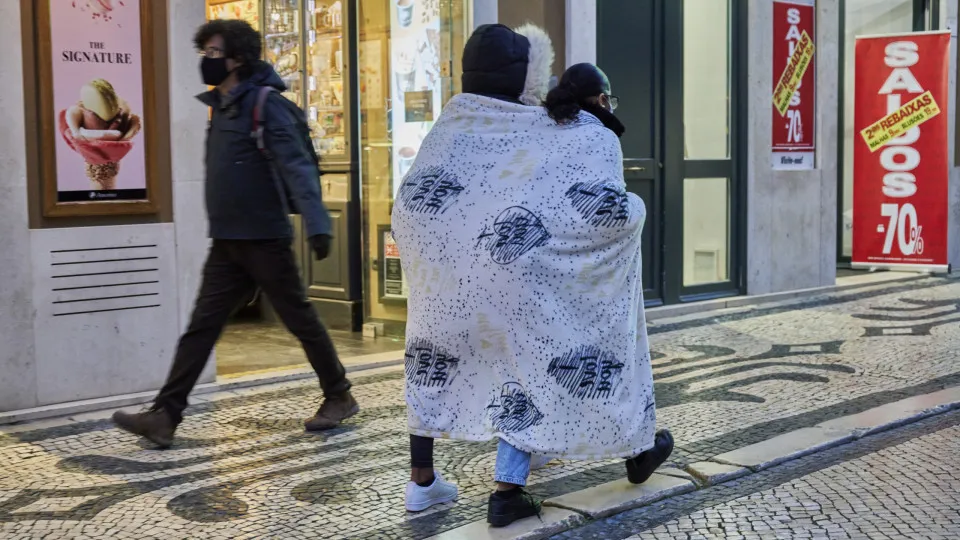
Did you feel the chill this morning? December has started with a drop in minimum temperatures, particularly in the interior of the North, where they may reach as low as minus two degrees Celsius today.
This is due to the passage of several Atlantic fronts, which will affect the weather in mainland Portugal during this first week of December.
The Portuguese Institute of the Sea and Atmosphere (IPMA) forecasts cold weather in the coming days, with some districts in northern mainland Portugal experiencing negative temperatures.
Today, expect partly cloudy skies, increasing in cloudiness, with periods of rain in the North and Centre from the afternoon, sometimes heavy in Minho and Douro Litoral. The IPMA also predicts the formation of frost, especially in the northern and central interior.
Rain will reach Greater Porto from mid-afternoon (potentially heavy by the end of the day) and Greater Lisbon by the end of the day. In the South, there is a possibility of light rain on the coast north of Cabo de Sines by late day.
Regarding temperatures, the minimum will range between -2°C (Bragança) and 8°C (Faro and Sines), while the maximum will vary between 8°C (Guarda) and 17°C (Setúbal and the Algarve).
This Monday, aside from the cold, three districts are under a yellow alert due to the forecast of heavy rain: Porto, Braga, and Viana do Castelo.
On Tuesday, the rain is expected to be more intense, but for now, warnings have only been issued for snow. Guarda and Castelo Branco will be under a yellow alert, the third most severe, because of snow. The alert will be in effect from the early hours of the next day until midnight on December 3.
DGS Strengthens Recommendations in Light of Weather Forecasts
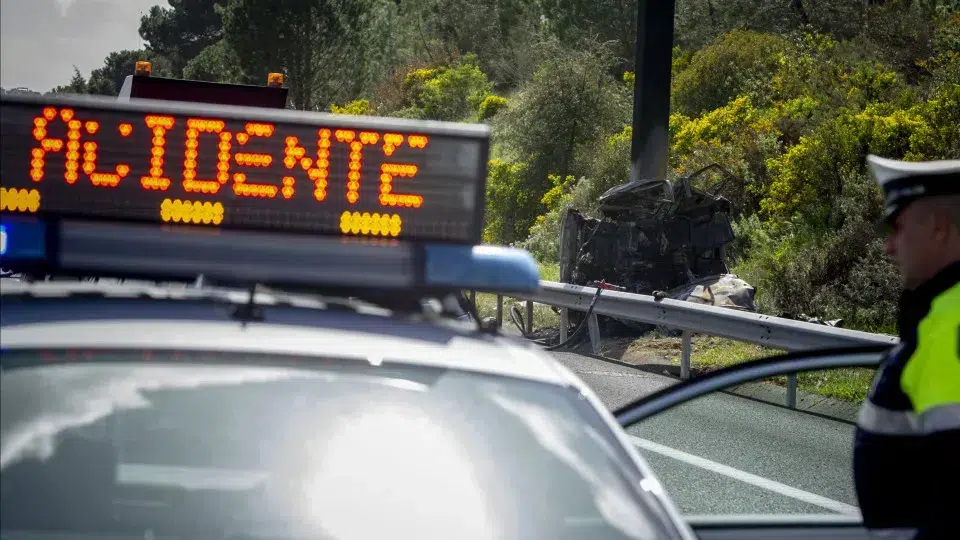
The forecasts have already led the Directorate-General for Health (DGS) to issue a series of preventive recommendations, noting an increased risk of respiratory diseases, worsening of chronic conditions, and accidents.
Recommendations include avoiding prolonged exposure to cold and sudden temperature changes, dressing in layers, using hats, gloves, and scarves, not sitting for more than an hour when at home, drinking water even if not thirsty, consuming soups and hot beverages, avoiding alcohol, increasing the intake of foods rich in vitamins, minerals, and antioxidants (such as fruits and vegetables), and avoiding fried, fatty, or high-sugar foods.
The DGS also calls for “increased attention to the most vulnerable” such as young children, the elderly, people with chronic illnesses, outdoor workers, those in isolation or homeless, and suggests taking care with outdoor activities, avoiding intense efforts in the cold and wearing appropriate clothing.
Other recommendations include maintaining safe heating at home and getting vaccinated, particularly against the flu and COVID-19.
The DGS further advises calling 112 if someone is suspected of having hypothermia, including recognizing typical signs: shivering, slow breathing, tiredness or confusion, and pale, cold skin.