
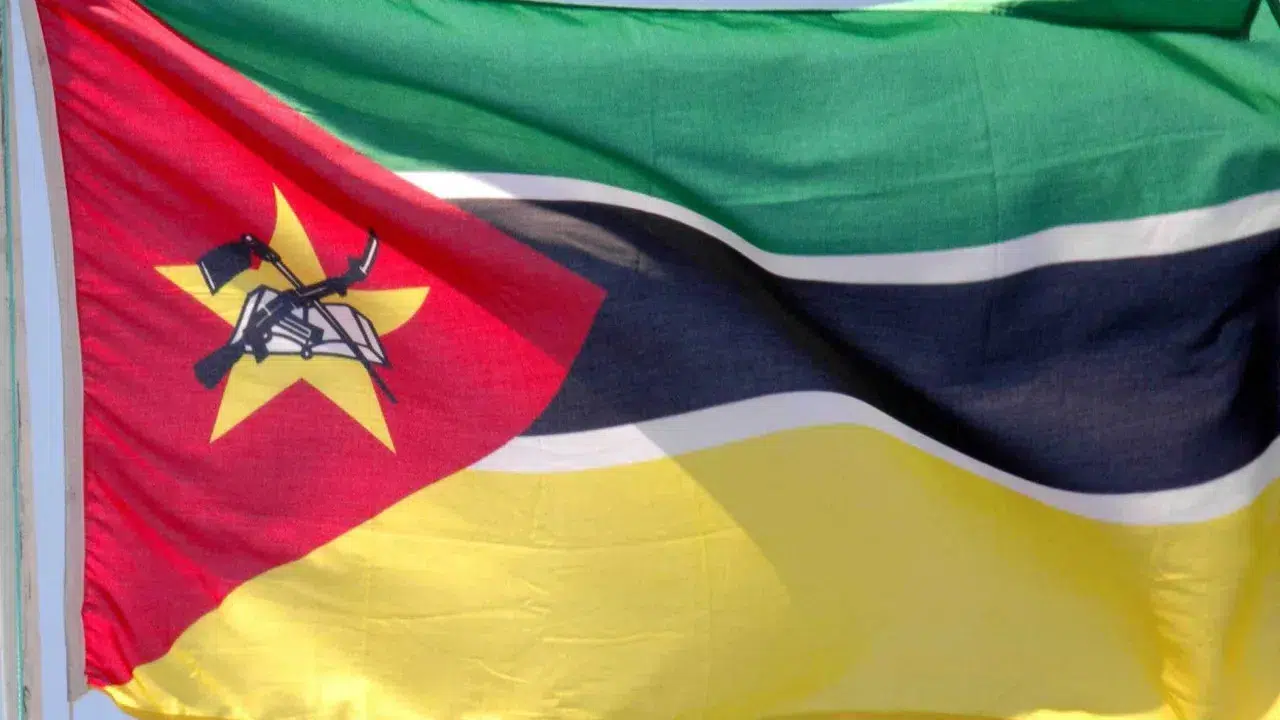
The Mozambican Economic and Social Plan (PESOE) was approved with 193 votes in favor from the Front for the Liberation of Mozambique (Frelimo) and the Optimistic Movement for the Development of Mozambique (Podemos), while 23 votes were cast against by the Mozambican National Resistance (Renamo) and the Democratic Movement of Mozambique (MDM).
The Podemos party, a major opposition leader, voted in favor of the plan, acknowledging its significance in achieving the government’s objectives towards stability and the well-being of the population.
“We do not do this out of complacency, but out of hope, not out of surrender, but out of responsibility (…) we approve it because we want to give the country a chance and the country needs concrete solutions. It’s an act of faith and respect for the minimum functioning of state institutions,” stated Deputy Elísio Muaquina.
Frelimo also supported the PESOE, emphasizing its essential role in consolidating development and improving living conditions, prioritizing investments in social sectors and valuing natural resources.
“The PESOE is fully aligned with the country’s development pillars. It is a clear and objective response that focuses on the legitimate aspirations of the people with a tangible impact on improving their living conditions (…) It is a bearer of solutions for modernizing the economy,” said Deputy Aleixo Evaristo Siedade.
The MDM opposed the document, arguing that it does not meet the population’s needs, especially youth, in terms of strategies for job access and housing.
“With this document, life will continue to be expensive and the strike in the public service will persist. The government does not present a clear strategy to end state corruption,” stated Deputy Judite Macuacua, highlighting the absence of funds for the rehabilitation of National Road 1 as a reason for rejecting the PESOE.
Renamo also voted against it, citing unclear mechanisms for resource allocation to provinces, combating hunger, National Road 1 rehabilitation plans, strategies to end corruption, and housing policy.
“We voted against it because it’s a tool for Mozambicans to listen to; in plan, there is nothing, the state is bankrupt, and this budget is the delusion of a dying entity (…) In industry, there’s nothing new and the existing one is bankrupt. Resources belong to Frelimo elites and education and health are in a pitiful state,” declared Deputy Fernando Lavieque.
The Mozambican government forecasts GDP growth of 2.9% for 2025 (1.9% in 2024), an average annual inflation rate of 7%, goods exports valued at $8.431 billion (€7.379 billion), and Gross International Reserves of $3.442 billion (€3.045 billion), equivalent to 4.7 months of goods and services import coverage, excluding megaprojects, according to the PESOE.
The state’s revenue for the entire year is expected to exceed 385.871 million meticais (€5.347 billion), equivalent to 25% of GDP, with total expenses amounting to 512.749 million meticais (€7.107 billion), corresponding to 33.2% of GDP, resulting in a budget deficit of 8.2%.
The document directs interventions in two “complementary strategic areas”: economic – covering the agrarian sectors, industry, tourism, mineral resources, hydrocarbons and energy, and employment – and social, encompassing education, health, water supply, housing, and social protection.
Mozambique plans to spend €2.850 billion on public sector salaries in 2025, an increase of 1.3% in one year, but the government will limit each new hire to three departures.
According to the PESOE 2025, total salaries and remuneration costs reached 202.859 million meticais (€2.811 billion) last year, set to increase to 205.550 million meticais (€2.850 billion) this year, equivalent to 13.3% of the estimated GDP.
On February 21, it was reported that Mozambican government expenditure on salaries and remuneration grew by about 40% in 2024 compared to the previous year, with the government estimating in June that there are 370,000 public servants and state agents in Mozambique.