
Portugal experienced a general strike on Thursday, December 11, the first to bring together CGTP and UGT in over a decade. The impact was felt early on, with union centers noting “massive” participation. However, the government soon downplayed the effects, marking the beginning of a real numbers war of a stoppage that even made international news.
CGTP Accounts Indicate Three Million Striking
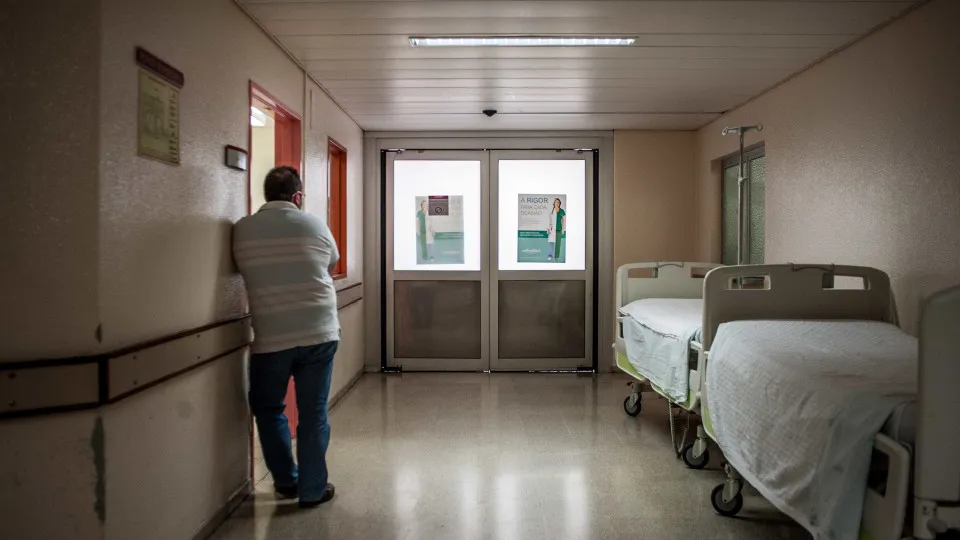
Early reports from CGTP, starting around 5:30 AM, revealed that several establishments were closed, including schools, municipalities, and even healthcare units.
The Secretary-General of CGTP, Tiago Oliveira, stated around lunchtime that more than three million people had joined the strike. “The general strike taking place today [Thursday] is one of the largest ever, if not the largest,” said Tiago Oliveira.
The union leader saw it as an “unequivocal show of force for more wages and more rights”. “We have a big, big, big strike,” he concluded.
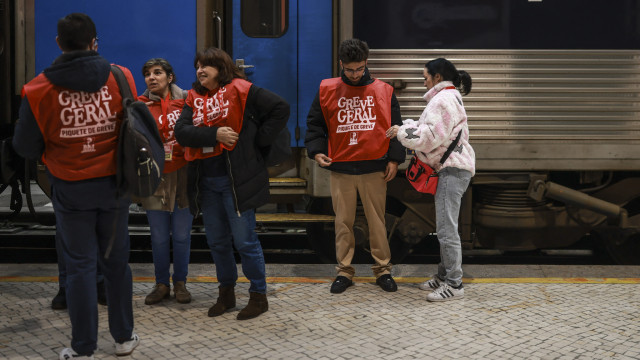
From transport to education, including healthcare and public services, several sectors were affected by the general strike on Thursday, December 11. See the first images.
Notícias ao Minuto with Lusa | 09:18 – 11/12/2025
Government Had a Different Perspective (and Downplayed Strike Participation)
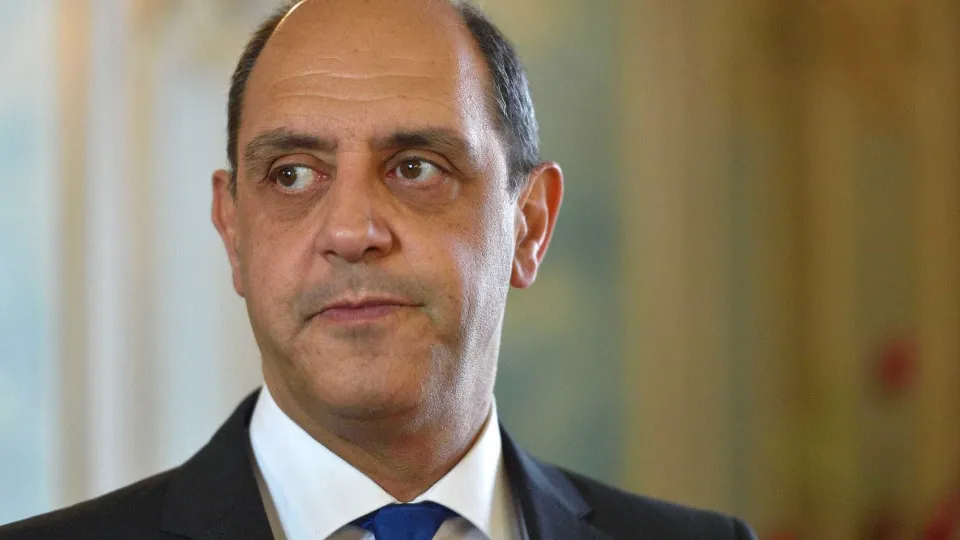
These statements came shortly after the government minimized the strike’s turnout. Minister of the Presidency, António Leitão Amaro, considered the level of participation “insignificant,” contrary to union claims.
“This seems more like a partial strike of the Public Function. The country is working. The strike participation is insignificant,” said the minister at a press conference assessing the strike in Lisbon. “The overwhelming majority of the country is working,” he concluded.
Soon after, Prime Minister Luís Montenegro, made statements echoing the same sentiment: “The country is working and a part is exercising its legitimate right to strike. The part exercising its legitimate right to strike is the minority and the largely majority part is working. We are also working.”
Despite the government’s statements, the Lisbon Metro was closed, dozens of flights were canceled at national airports – about 400, according to the National Union of Civil Aviation Flight Personnel -, other transportation operated with constraints, mostly with minimum services.
Business Leaders Aligned with the Government
However, the numbers war did not stop there. Mid-afternoon, the Portuguese Business Confederation (CIP) stated in a release sent to newsrooms that “there are no halted companies” and the “real economy is functioning”.
“Absenteeism swings in most companies between 2% and 3%, reaching 5% in some cases, with business people contacted by CIP stating that most absences were due to transportation issues, not general strike participation,” the statement read.
Workers Made Their Voices Heard: “The Struggle Continues, People Are in the Streets”
Alongside the general strike, protests were organized to express workers’ dissatisfaction with the labor revision proposed by the government. Around 6 PM, thousands remained in front of the Parliament in Lisbon, chanting protest slogans and raising their voices whenever someone approached the windows of the Assembly of the Republic.
After the march that started from Baixa to Largo de São Bento, demonstrators listened to CGTP’s speech and most remained there. “It’s the people who rule the country, not Montenegro”, a protester could be heard saying. Others shouted, “The struggle continues, the people are in the street”.
In Porto, a similar scene occurred: several hundred people made their voices heard on Avenida dos Aliados.
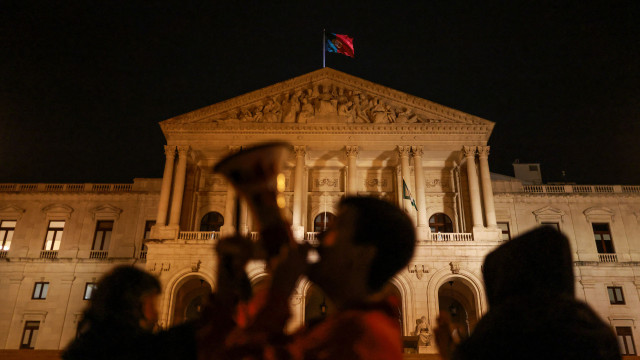
See the images of the protest that filled Lisbon’s streets, between Rossio and the Assembly of the Republic. On site, tensions escalated by late afternoon, with bottles thrown and posters burned.
Tomásia Sousa | 19:35 – 11/12/2025
Day Ended with Tensions in Front of the Parliament
As hours passed, the protest in front of the Parliament grew more intense. A protester climbed the steps of the Assembly of the Republic, while others threw glass bottles and burned objects until around dinner time.
Shortly before 9 PM, PSP officers acted, as they had done previously, not only to disperse protesters still concentrated in front of the Parliament but also to assist firefighters trying to contain a fire. Six people were detained.
 Protesters remained in front of the Assembly of the Republic until nightfall© Getty Images
What Comes Next?
The future of the government’s proposed labor package is uncertain. It is known that UGT is willing to sit at the table with the government starting this Friday.
“Negotiating means we can reach consensus on the various issues we have on the table“, emphasized UGT Secretary-General Mário Mourão in a statement to SIC Notícias on Thursday, noting that “if the government wants to negotiate, then, we need to approach positions to reach a good outcome“.
The government has also shown openness to dialogue: Minister of the Presidency, António Leitão Amaro, gave this guarantee, expressing confidence that this is the path that “delivers results”.