
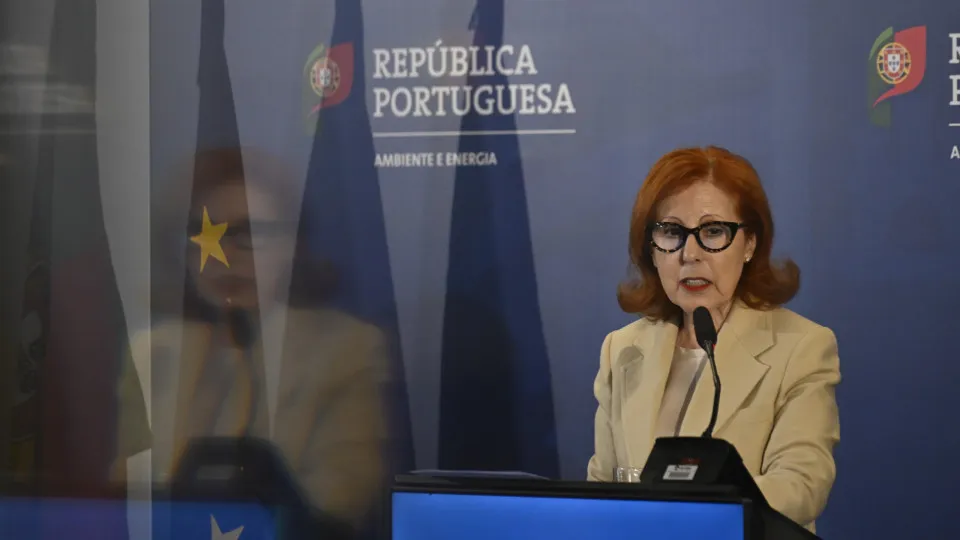
Luís Montenegro stated in parliament on Friday that the general strike “does not make sense” from the workers’ perspective, arguing that it is politically motivated and that the changes to labor legislation are just “a pretext”.
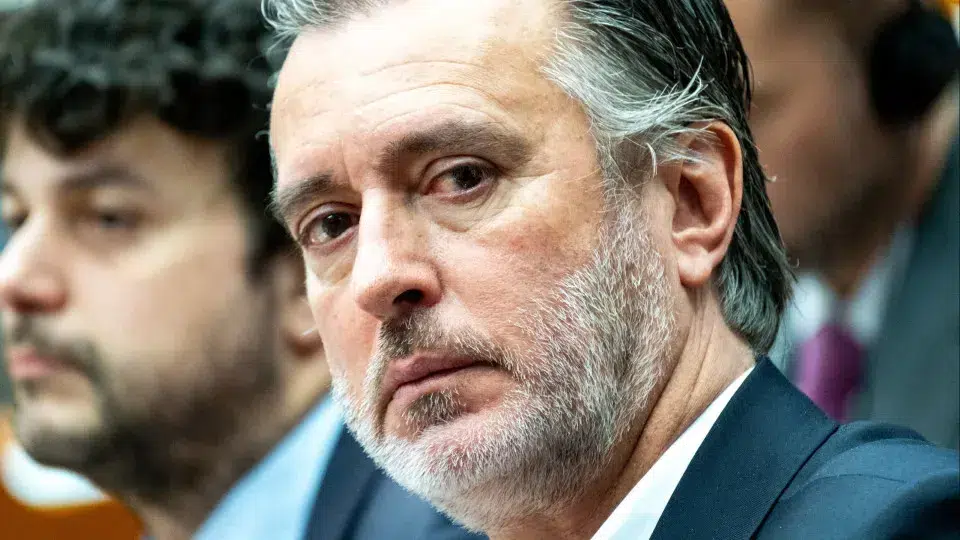
João Cotrim Figueiredo, speaking to journalists at the Sevenair aviation school at the Ponte de Sor Municipal Aerodrome in the Portalegre district, suggested that the strike has political motivations from the CGTP’s side, but not from the UGT’s.
“I cannot classify it as [a strike with political motivations]; I believe it has political motivations from the CGTP’s side, certainly, as it always has. From the UGT’s side, it doesn’t seem that there was that initial motivation, so it is a disagreement over the content of the labor package where the strike, without an agreement, is a legitimate outcome,” he argued.
The secretary-general of CGTP, Tiago Oliveira, said in an interview with Lusa today that it is “a mistake” to think that the Minister of Labor is making an “independent interpretation” of the draft proposals for revising labor legislation, pointing to Montenegro as the “primary responsible,” and considers the negotiating openness “a fallacy”.
When questioned by journalists on the topic, João Cotrim Figueiredo refrained from giving a “comprehensive opinion” on the discussion.
“The CGTP says the fault lies with the prime minister, the prime minister says the fault lies with the CGTP, so we’ve realized that it won’t be easy, without having been there (in the negotiations), to give a comprehensive opinion on that,” he said.
The presidential candidate, however, considered that the negotiation “was left on the table for months, without explanation, without political framing,” and later, “suddenly,” when the issue became urgent, the Government was “struggling with negotiation, communication,” leading to the lack of understanding.
Despite criticizing some measures in the labor package, João Cotrim Figueiredo would not veto the bill as President of the Republic.
“When asked if the direction of this reform is positive and would be promotable, yes. But, as I have already said publicly, out of the hundred-something measures, there are at least half a dozen that I wouldn’t agree with, but the President of the Republic is not there to promote only what they agree with 100%,” he cautioned.
João Cotrim Figueiredo further argues that in strikes “there are rights that must be respected,” but there are also the rights of people who wish to work, which “must also be considered and this is never discussed.”
“Much is discussed about those who will not work on the 11th and will join the general strike. Very little is discussed about those who will not be able to work on the 11th, who will not have strike funds from the unions to pay them for the days they potentially do not work, and many of these people need those hours, those working days to balance their budgets and are not being sufficiently talked about,” he added.
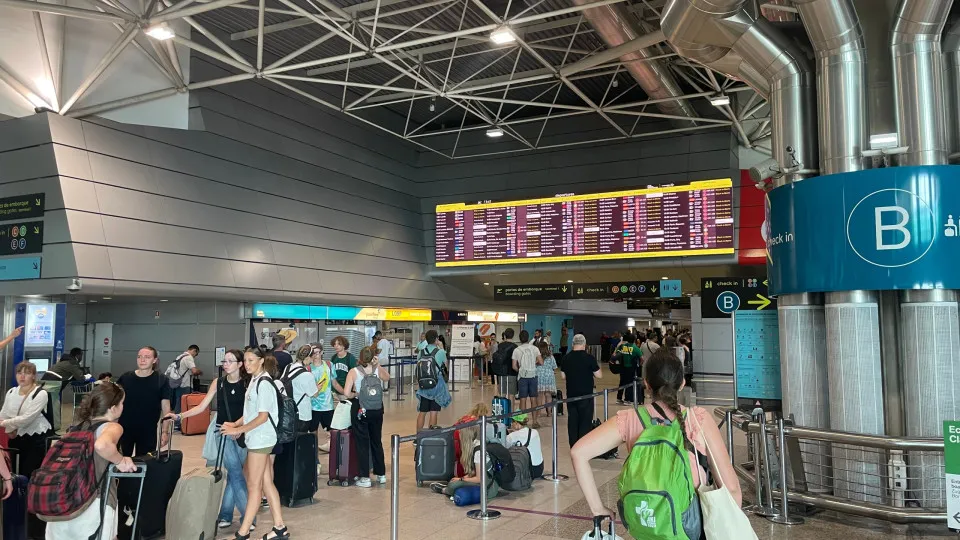
The CGTP and UGT have called for a general strike on December 11, in response to the government’s draft labor reform legislation.
This will be the first strike to gather both trade unions since June 2013, when Portugal was under ‘troika’ intervention.