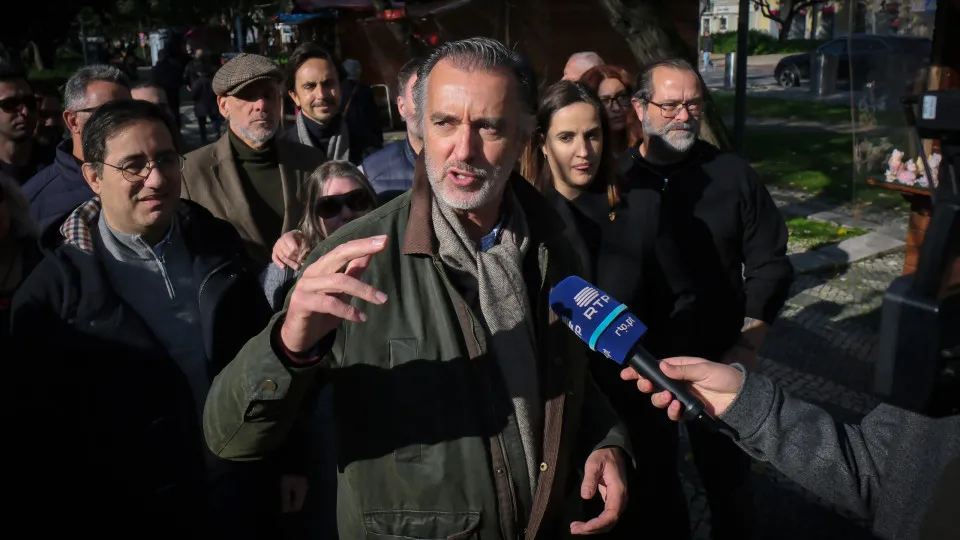
In Paulo Raimundo’s opinion, the protest organized by the CGTP and UGT trade unions was “the voice and the outcry of those who produce the wealth, those who make the economy work” and “demonstrated the power of workers and the trade union movement.”
The strike, he said, succeeded in putting “the work and lives of workers at the center of the discussion.”
The protest had a “significant impact throughout the country, with a strong presence in both the public and private sectors,” stated the communist leader, who described the strike as “historic” and “one of the largest ever.”
The demonstration was labeled an “extraordinary moment” and a “vast display of rejection of the employer’s labor package,” which PSD, CDS, Chega, and Iniciativa Liberal “voice,” he noted.
For Paulo Raimundo, the strike was a journey of “demand, justice, dignity, respect, wages, and rights,” and an “expressive and impactful” response to the “high accumulation of profits by economic groups.”
The PCP Secretary-General also criticized the government’s stance, saying that while they “may try to downplay the strike” and the “emissaries of the employers” may “multiply their demagoguery,” they “cannot change reality.”
In an ironic reference to the comment by the Minister of the Presidency, Leitão Amaro, who described the protest as “insignificant,” Raimundo remarked that “the only insignificant thing that happened on the 11th was the insignificant face of the Prime Minister and his ministers.”
According to the communist leader, given the scale of the strike, right-wing parties “have no alternative but to withdraw the proposal entirely.”
“The labor package is socially defeated and was defeated by the workers’ struggle,” he added.
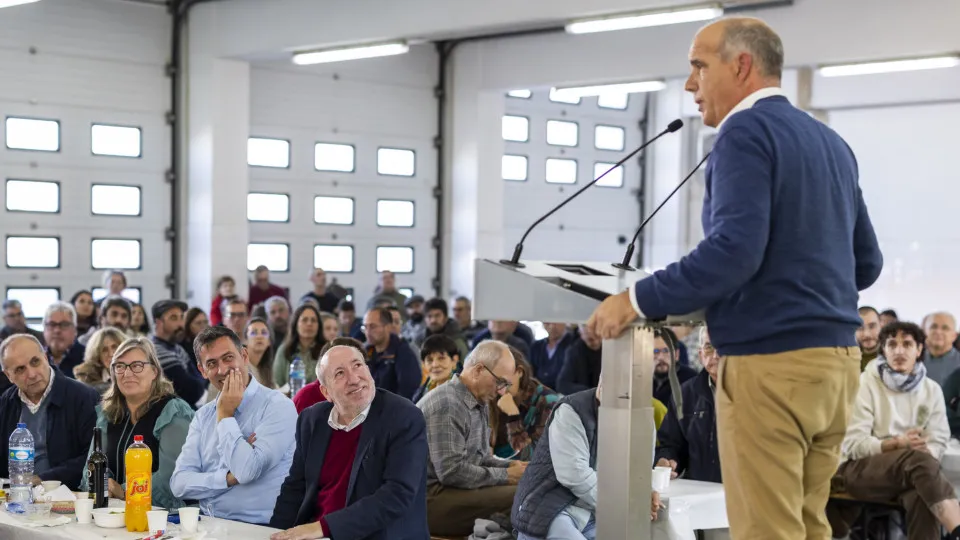
Present at the lunch, held at the Volunteer Firefighters’ facilities in Vila Franca de Xira with members of the Representative Worker Organizations, was also António Filipe, the PCP candidate for the Presidential elections, praised by Paulo Raimundo as “the candidate of the workers, their rights, wages, and stability.”