


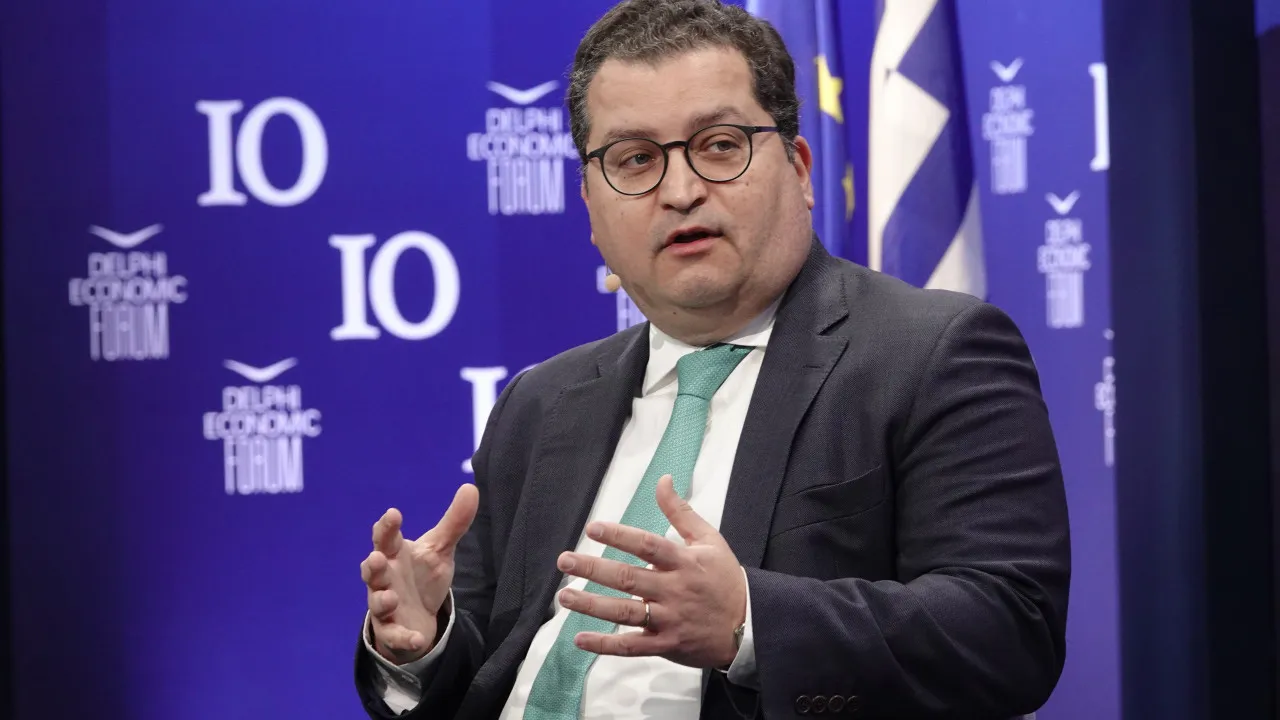
“There will be a NATO [North Atlantic Treaty Organization] summit in June where this will be reviewed. We are working on these scenarios, [but] naturally at this moment, I cannot commit either to the value or to the year, although we will have to accelerate the increase in defense spending and investment,” stated Joaquim Miranda Sarmento, speaking to the Lusa agency upon his arrival at the European Union (EU) finance ministers’ meeting.
This meeting, taking place in Warsaw under the Polish presidency of the Council, aims to discuss how to increase investment opportunities and finance Europe’s defense and security amid geopolitical tensions, with Portugal advocating for “a balance between maintaining—and if possible reinforcing—the welfare state, strengthening defense capability, and […] budget balance.”
After Portugal invested around 1.55% of the Gross Domestic Product (GDP) in defense last year and with the Government announcing on Thursday its intention to bring forward the target of allocating 2% of GDP to security spending, originally planned for 2029, Joaquim Miranda Sarmento refrained from specifying when and how this would be achieved.
“We indeed need to make an effort to enhance European defense capability, and this enhancement must be coordinated at the European level, where each Member State assumes responsibilities closely related to its geographical position and its economy and management capacity,” he said, citing Portugal’s intention to invest in the navy, the air force, drones, and cybersecurity.
The Finance Minister indicated this would be done without impacting fiscal stability, as the Government continues to predict surpluses this year and in the upcoming years until 2028.
“We will advance in different areas of governance, including expenditure, as far as possible, while maintaining budget balance every year,” he assured, admitting that next year’s surplus might be smaller than others, as included in the medium-term plan sent to the European Commission.
On Thursday, the Public Finance Council estimated that, if the Government reaches the 2% of GDP defense spending target, this effort could worsen the budget deficit to 1.2% of GDP by 2029.
Addressing this issue, Joaquim Miranda Sarmento told Lusa, “The 2026 budget exercise is more demanding, […] but we do not forgo maintaining public account balance and continuing to significantly reduce public debt.”