


The introduction of “minimally invasive technology” marks a significant advancement in cardiac care in Southern Portugal, according to ULSBA. This approach involves the use of leadless pacemakers, small devices implanted directly into the heart, eliminating the need for traditional electrodes and minimizing related complications.
These procedures have demonstrated advantages in terms of safety, recovery, and comfort, especially for patients for whom conventional implants are complex, the healthcare unit stated.
“These cases represent a crucial step in bringing more complex care closer to residents,” noted cardiologist Luís Duarte, who emphasized the importance of ensuring each patient has access to the most appropriate option with safety and proximity.
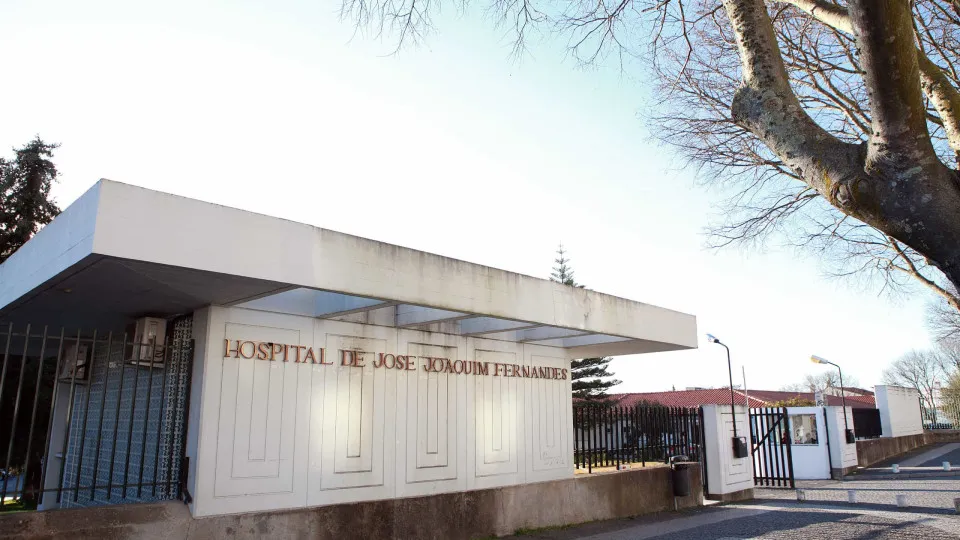
The technique’s introduction at Hospital José Joaquim Fernandes offers patients access to an innovative, less invasive, and safer therapeutic option that is particularly beneficial for specific clinical profiles, addressing a long-felt need in the region.
Previously, patients requiring this type of device had to travel long distances to other hospitals, the unit said.
Following the successful completion of the first implant, Beja’s hospital enhances its capacity to provide differentiated solutions aligned with the latest clinical practices and strengthens its central role in offering local healthcare services.
This new clinical methodology also signifies ongoing investment in technical capacity, specialized training, and infrastructure improvement by ULSBA.
It reflects a clear and unwavering commitment to ensuring the Alentejo population benefits from state-of-the-art cardiology treatments, eliminating unnecessary travel.
Hospital José Joaquim Fernandes now joins the group of Portuguese health units offering this therapeutic approach, enhancing community confidence in the public service and its capacity for responsible innovation, affirmed ULSBA.