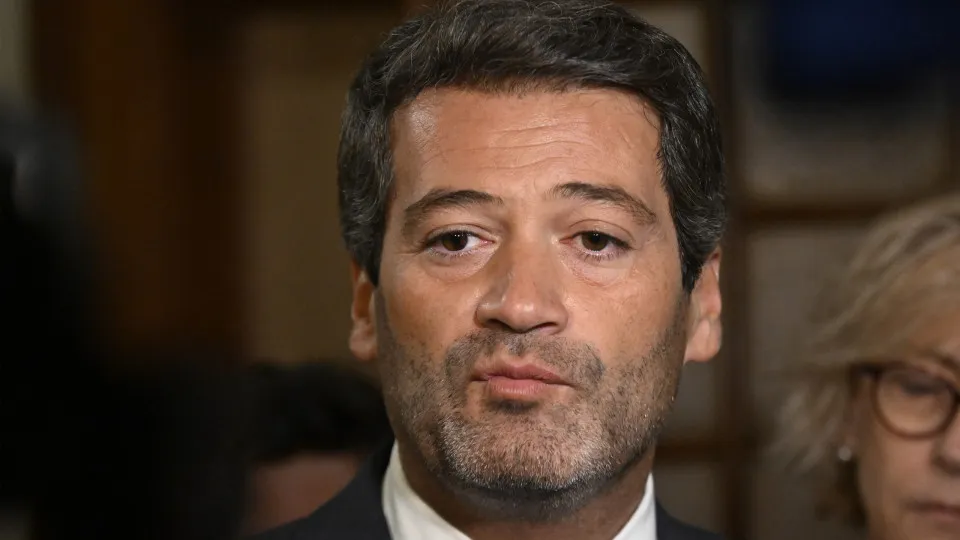


André Ventura, leader of the Chega party, stated, “If we were in government, there would certainly be no general strike, because we would respect workers, penalize more those who do not want to work, and guarantee rights to those who do work.” He emphasized that Portugal needs “modern laws” rather than “laws from the 70s and 80s.”
Speaking at the party’s national municipal convention held today at the Municipal Pavilion of Entroncamento, in the district of Santarém, Ventura dismissed the government’s labor proposal as problematic not just in form but in substance, highlighting “serious issues” like the alleged impacts on the rights of working mothers “in a country with birthrate problems.”
“The issue of breastfeeding is serious. Taking rights away from working mothers in a country with no birthrate and natality problems is a mistake,” he said, arguing that the government “has protected those who do not want to work” and “devalued those who do.”
“It’s time to protect those who work,” he insisted, adding that a “government concerned with workers” would have prevented the strike.
Aside from discussing labor issues, the Chega president also pointed out flaws in border and airport management, describing the situation as “an embarrassment for Portugal” and blaming the government for the “incompetence” in reforming the system following the abolition of SEF.
“The airports are in chaos, and this is acknowledged by the government itself,” he said, warning of the impact during the Christmas period.
Additionally, Ventura criticized three of his presidential race opponents—Marques Mendes, António José Seguro, and Gouveia e Melo—accusing them of wanting to “condition justice” to “protect corrupt politicians or the system.”
“There are candidates who want to limit the powers of justice and the ability to investigate corruption. This is very serious and people need to know,” he stated.
Referring to recent debates, the Chega leader expressed being “genuinely concerned” with his opponents’ stance, which he described as “alarming” for aiming to “condition police action” and create “a kind of special status” for those in power.
“They want, at all costs, to condition justice, condition police action, to give politicians, those who govern, or those in positions of power, a kind of special status,” he advocated.