

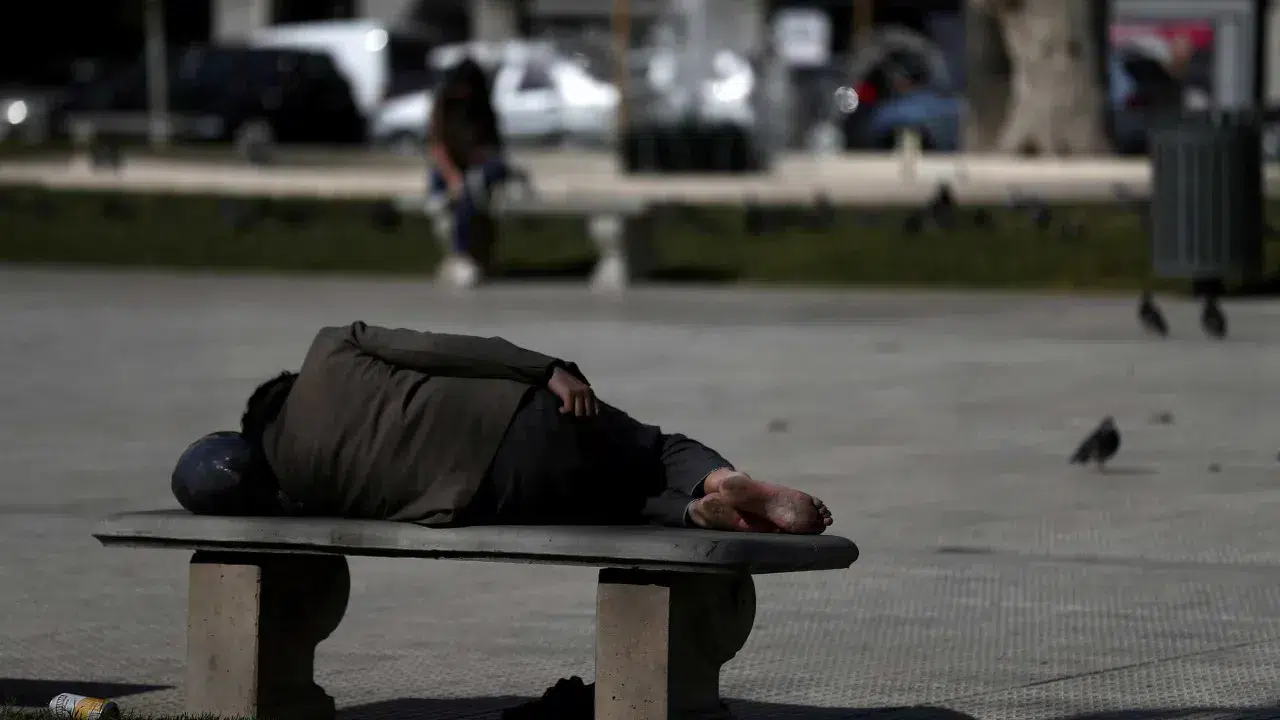
In several Lisbon hospitals such as São José, Santa Maria, São Francisco Xavier, and Amadora-Sintra, it is common to encounter individuals in the waiting areas of emergency departments not for health reasons, but to seek some comfort in spaces generally dedicated to treating illnesses.
The director of Social Services at the Amadora-Sintra Local Health Unit (ULS), Adélia Gomes, commented on the situation stating, “Some of them are already known to us and to community services, and they even know where they can find shelter.” Despite this, they continue to frequent the hospital emergency waiting rooms.
Many individuals register with emergency services but often leave before being seen by a doctor. Gomes observed, “What we notice is that they come here for hygiene, to eat, and to spend the night,” though there are options available within the community to address these situations.
Among those taking refuge in these spaces are residents who were compelled to leave their homes due to rising rents, leaving them unable to afford even a room. This growing trend, according to Gomes, is worrying.
“It wasn’t usual to have homeless users from this background, who we are now seeing more frequently, and we associate this with the housing costs being practiced in the market at the moment,” Gomes emphasized.
Additionally, there are cases of homeless individuals with temporary physical dependencies who remain in the hospital for social reasons until they regain physical autonomy, a requirement for acceptance into shelter centers.
When permitted by users, the hospital contacts social services and community institutions to provide the necessary support. The number of identified cases has been rising: from 37 in 2022, to 62 in 2023, and 97 in 2024.
This year alone, by April 29, 40 cases have already been directed to the appropriate services, according to the ULS, although some may pertain to the same individual.
On occasion, users refuse to be referred, citing reasons such as familiarity with and dissatisfaction from previous stays at the facilities.
At Hospital São José, the situation has escalated since the pandemic, with increasing numbers of users facing mental illnesses, addictions, and immigrants lacking support networks, as well as experiencing complex social, economic, and family issues.
The hospital’s proximity to city areas frequented by individuals with drug and alcohol consumption habits and immigrants has contributed to the phenomenon, according to ULS São José.
Health care is sought by this population following incidents like falls, assaults, or excessive alcohol or drug use, which impair their autonomy and jeopardize their daily routines and survival.
Hospital São José referred 539 cases to community services in 2022, which increased to 728 in 2023 and 750 last year. To date this year, 184 cases have been flagged, according to the ULS, highlighting that “these interactions are challenging, time-consuming, and difficult to resolve.”
Located centrally in Lisbon, Hospital Santa Maria experiences similar impacts in the Central Emergency Service waiting rooms, particularly during extreme cold or heat periods.
This year, by April 30, 79 homeless admission cases were registered in the Central Emergency Service, marking a 32% rise from the same period in 2024, which saw 60 cases, according to ULS Santa Maria.
The ULS Lisbon Ocidental, incorporating Hospital São Francisco Xavier, states it is “aware of this reality and seeks the best response to these situations,” all of which are referred to the hospital’s Social Service, which coordinates with the National Social Emergency Line and the Santa Casa da Misericórdia de Lisboa.
Currently, there are three regular overnight stays reported in the General Emergency Service, along with other occasional instances.
Though some admissions are due to clinical reasons, such as chronic disease decompensation or mental health issues, the majority are seeking shelter.
In these situations, there is no formal admission into the emergency department, and overnight stays occur in the waiting room or other covered areas of the hospital.
The hospitals acknowledge that this scenario presents challenges, such as overcrowding of spaces, potentially affecting the comfort of both users and staff, misuse of services, or suboptimal hygiene conditions.