


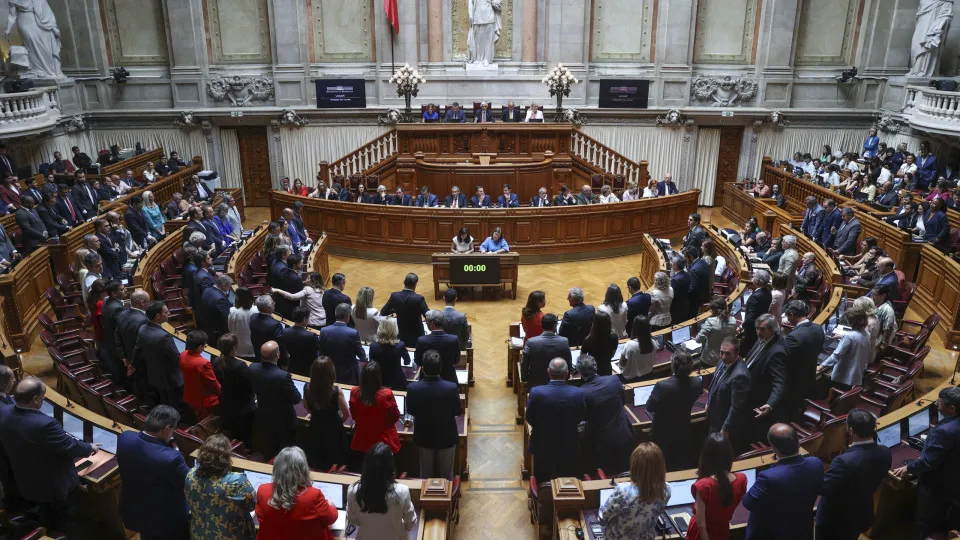
The final text emerging from the Committee on Constitutional Affairs received support from PSD, Chega, PS, Iniciativa Liberal, Livre, PAN, and JPP, similar to the votes during the specialization phase.
Proposals for lobbying regulation were approved in general at the Assembleia da República on July 11, originating from projects presented by PSD, Chega, PS, IL, CDS, and PAN.
These projects shared the common goal of establishing transparency rules applicable to private entities engaged in legitimate interest representation with public entities (commonly known as lobbying) and creating a transparency registry for that interest representation.
The registry will include a Code of Conduct and a mechanism to track the legislative footprint of the documents.
Last week, following an agreement on a substitute text for the various proposals, PSD, PS, CDS, and Chega expressed satisfaction that it was possible to approve the regulation of interest representation activities by the end of this year—a process almost concluded in the previous legislature but interrupted due to the dissolution of parliament and subsequent calling of early legislative elections.
In their speeches, vice-presidents of the PSD and PS benches, António Rodrigues and Pedro Delgado Alves respectively, highlighted that the consensus was facilitated by building upon political work from previous legislatures. They admitted the need to revisit the legislation “within one or two years” to “refine” it based on early application experiences.
In contrast to PSD and PS, PCP parliamentary leader Paula Santos expressed “total opposition” to the creation of this new regime, arguing that it “legalizes influence peddling, which will not aid in combating corruption.”
Today, following the diploma’s approval, in a vote declaration, Paula Santos argued that attention is being diverted from the “true fight against corruption” and questioned who will manage and oversee the new registry.
To contest the legislative process, Paula Santos also referenced the PSD and PS forecast to review this law in the short or medium term. On transparency, she stated that PCP publicizes all entities it meets at the Assembleia da República.
Contrary to PCP’s stance, CDS parliamentary leader Paulo Núncio claimed his party was the first to introduce a legislative initiative to regulate lobbying activities as early as 2016 and lamented the “lost decade.”
Comments on the slowness of this legislative process were also echoed by social democrat António Rodrigues and socialist Pedro Delgado Alves.