


Speaking to Lusa, Rubens Carvalho, president of the Porto Traders Association (ACP), stated that the assessment of losses in commerce “is still ongoing, as not all data has been collected across the various sectors, which are diverse.”
“It was a lost day, especially for local commerce, which undoubtedly suffers the most noticeable losses, much higher than those in large retail,” he said. He noted that, in the restaurant sector, losses “started before lunchtime,” and in grocery stores, the lack of power “restricted access” to some products.
Meanwhile, Vasco Melo, vice-president of the Pombaline Downtown Revitalization Association in Lisbon, acknowledged that the shopkeepers’ main concern in this area of the capital was security, should the electricity not return overnight. He admitted that no “assessment” had been made.
Vasco Melo emphasized to Lusa that during last Monday, “restaurants were always operational, particularly the terraces,” noting that the biggest impact was on “billing” due to the non-operation of electronic cash registers.
Admitting that the association did not make an assessment of the blackout day’s losses, Vasco Melo added that the main concern from shopkeepers was “security during the night” on the day of the incident.
“Many shopkeepers said they would stay overnight in their stores if the power outage continued into the night, not because they couldn’t lock up, but for security reasons,” he explained.
According to him, the “Baixa of Lisbon is not dangerous at night,” despite the presence of “some undesirables,” and “as people were somewhat alarmed, they intended to stay in their stores because there were no security systems.”
“However, everything continued operating, which made things easier for tourists,” he said, adding that around 2:00/3:00 PM, the “Zara store at Rossio decided to close,” leading to “inactivity for a significant part of the stores in the afternoon.”
The president of the Porto Traders Association warns that it is up to the authorities “to find solutions, establishing a quicker response to address the absence of power when it exceeds two to three hours.”
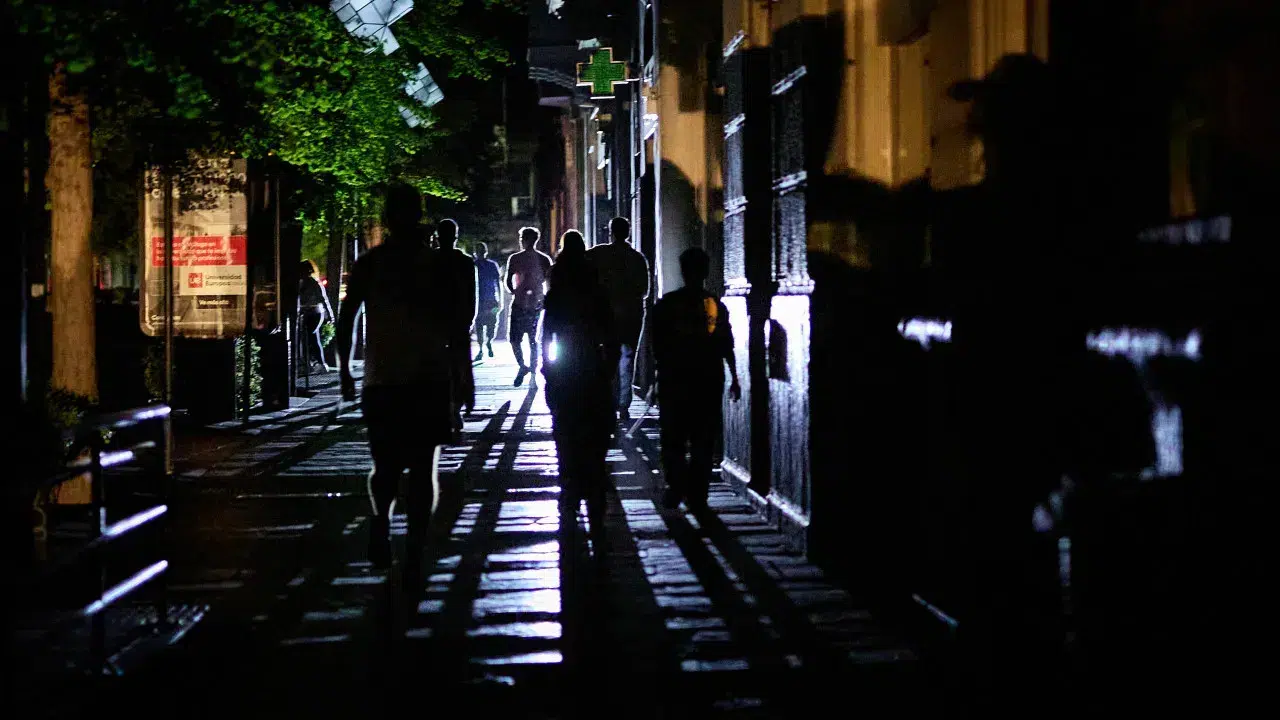
A widespread power outage affected Portugal and Spain on Monday, April 28, lasting about 10 to 11 hours, still without explanation from the authorities.
Airport closures, transport and traffic congestion in major cities, and fuel shortages were among the blackout’s consequences.
The electricity distribution network operator, E-Redes, assured on the following Tuesday morning that the service was entirely restored and normalized in Portugal.