Luís Montenegro of the PSD-PP refused to engage in “futurology” when questioned about potential adverse electoral scenarios for the PSD/CDS-PP coalition. He directed criticism at the PS secretary-general, asserting that a government’s stability “also depends on the stability of its leader.”
The current Prime Minister and PSD President, speaking during a street action in Porto de Mós, Leiria, emphasized that the central decision in these snap elections is to choose a Prime Minister who can “represent Portugal at the highest level” and serve as “an image of stability, trust, and reliability.”
The Head of State expressed to journalists at Belém Palace on Thursday that he wants “to be sure that the government to be appointed has the conditions to launch its program” and won’t be rejected in parliament, stating this is “the fundamental issue” at hand.
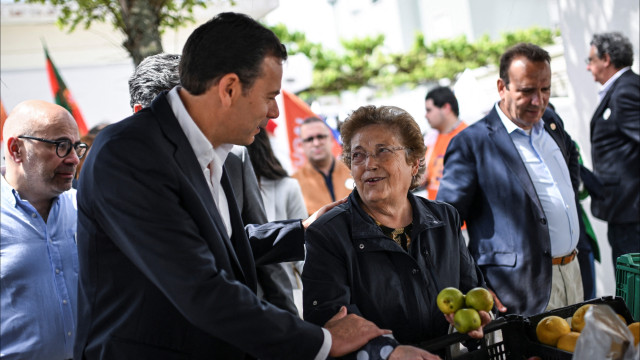
The PS secretary-general directly responded to Marcelo Rebelo de Sousa today during a fair visit in Trancoso, Guarda district, stating, “The President of the Republic can be reassured because a government led by the PS will be one of dialogue and stability.”
Pedro Nuno Santos cited his experience as a negotiator for budget agreements among PS, BE, PCP, PEV, and PAN during the “Geringonça” period. Later in Guarda, he called for “a PS victory” against a possible “radical coalition” between AD and IL, warning it “would compromise the welfare state.”
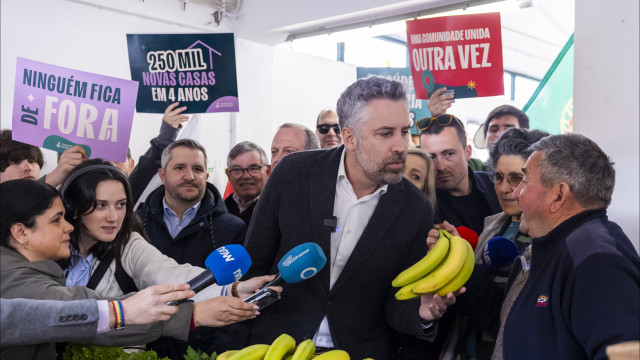
During a visit to a local shop in Aveiro, the IL president expressed readiness for his party to “contribute to a center-right, reformist, and stable solution,” emphasizing they will be “rigorous and always very demanding,” calling the May 18 legislative elections “a unique opportunity” to achieve this.
Later, in Santa Maria da Feira, Rui Rocha characterized Luís Montenegro as a politician who “is not liberal” and criticized the outgoing PSD/CDS-PP government’s housing policies, claiming they “increased prices due to heightened demand.”
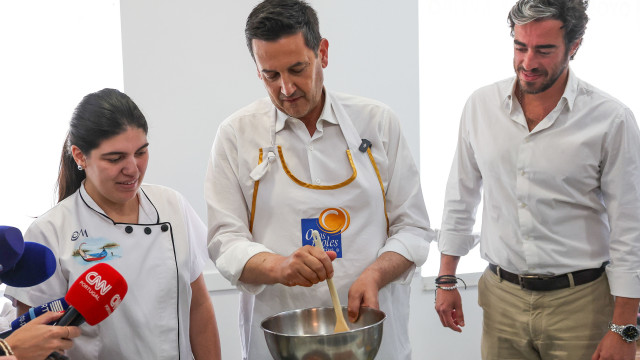
For the Chega president, “it was already clear that the President of the Republic wants a government with conditions and stability, not one to last another year, or six months.”
During a walk in Viana do Castelo, André Ventura did not commit to any supports but recalled his party’s decision to facilitate the minority PSD/CDS-PP government a year ago, maintaining that “only a Chega victory on the right can ensure the stability” not offered by AD or PS.
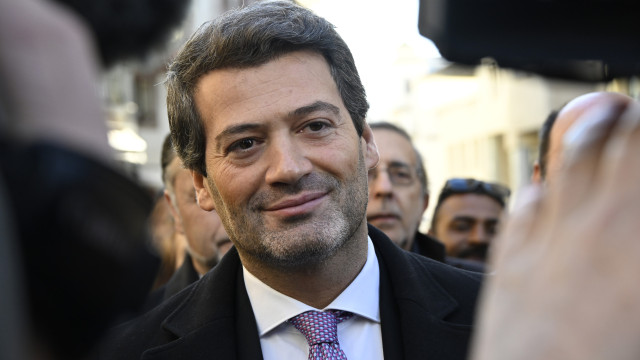
Rui Tavares, co-spokesperson for Livre, highlighted “the alert from the President of the Republic,” considering it “essential” and asserting that the key issue in these elections is not who wins first but who guarantees “governability conditions.”
At the end of a visit to the Polytechnic Institute of Setúbal, Rui Tavares expressed the necessity for the left to have more deputies than the democratic right, dividing the parliament into “three blocks,” excluding Chega as an extreme-right party with whom nobody wants to govern.
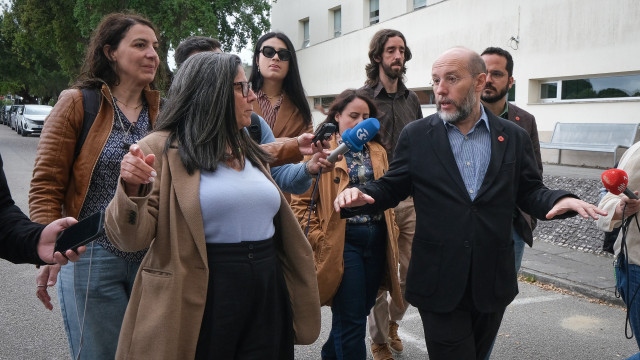
The BE coordinator continued her agenda focusing on more excluded communities, visiting the Aldoar neighborhood in Porto, where she proposed expanding the social water tariff and guaranteeing a minimum electricity provision for those with lower incomes, “so nobody has to live without light or freeze in winter.”
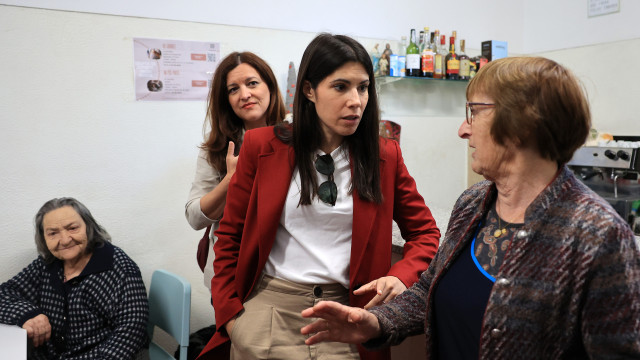
In Amadora, Lisbon district, the CDU (PCP/PEV) campaign featured former CGTP secretary-general Arménio Carlos, who, in the context of the CP strike, stated that “those who walked like lambs are now showing their true wolf skin,” warning of possible changes to labor laws and strike laws.
PCP Secretary-General Paulo Raimundo expressed confidence in CDU’s growth and mentioned that he will present “more concrete perspectives” on the expected outcome on Monday.
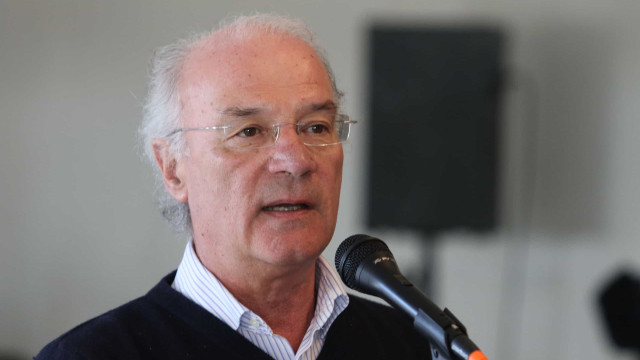
In Porto, the PAN spokesperson criticized the President of the Republic for his words, which she acknowledged could be interpreted as a call for tactical voting, advising him “to stay silent.” Inês de Sousa Real held PS and PSD responsible for political instability and urged people to vote “for the causes they believe in” instead of “the big parties.”