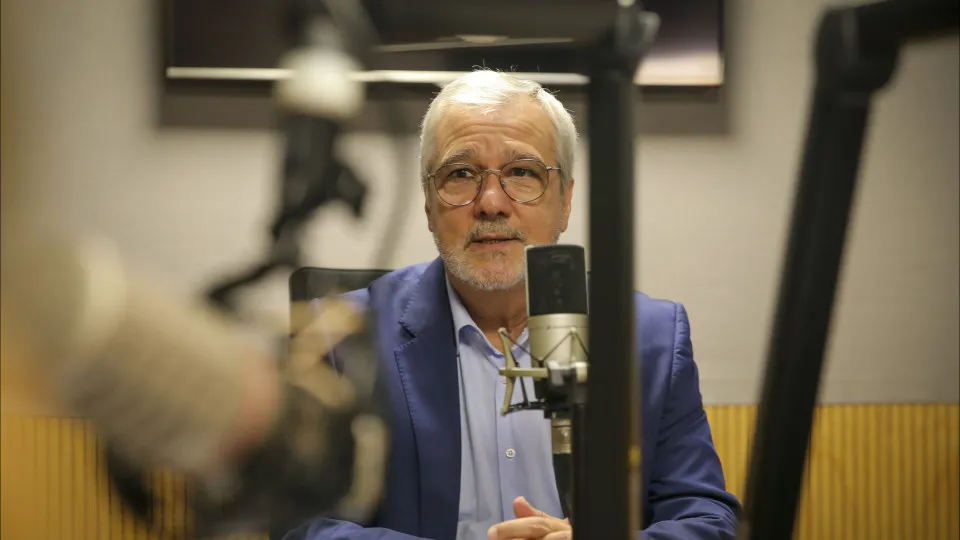
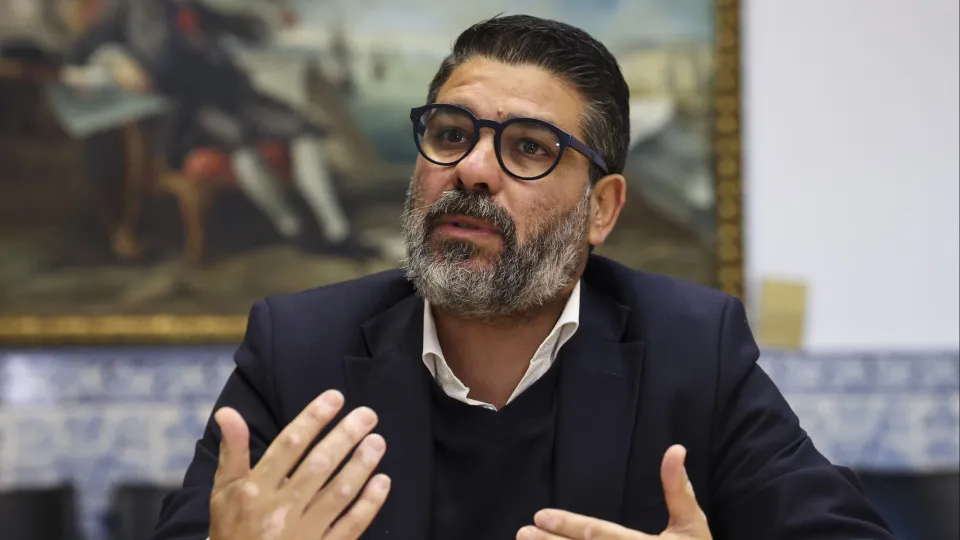

Luís Montenegro of the PSD/CDS-PP coalition dismissed speculating about potential adverse electoral outcomes, emphasizing that the government’s stability is contingent on the stability of its leader.
Speaking during a public engagement in Porto de Mós, Leiria district, Montenegro, the current Prime Minister and PSD president, underscored the importance of electing a Prime Minister capable of “representing Portugal at the highest level” and being an “image of stability, confidence, and reliability” in the forthcoming early elections.
The President, addressing journalists at the Palácio de Belém on Thursday, expressed his intent to ensure that the appointed government possesses the necessary conditions to initiate its program and is not rejected in parliament, identifying this as the “fundamental issue” at hand.
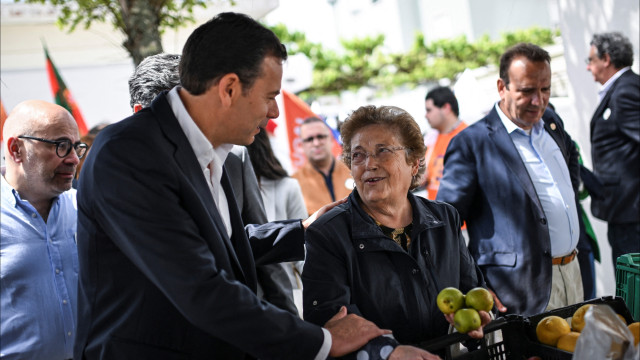
The secretary-general of the PS directly addressed President Marcelo Rebelo de Sousa during a visit to a fair in Trancoso, Guarda district, assuring that “the Republic’s President can remain confident that a PS-led government will be one of dialogue and stability.”
Pedro Nuno Santos recalled his experience as a government official during budget negotiations between PS and parties BE, PCP, PEV, and PAN during the “Geringonça” period. Later, in Guarda city, he called for “a victory for the PS” to avert a possible “radical coalition” between AD and IL that “could undermine the social state.”
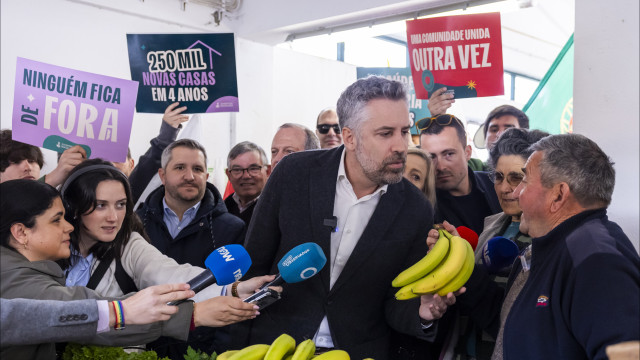
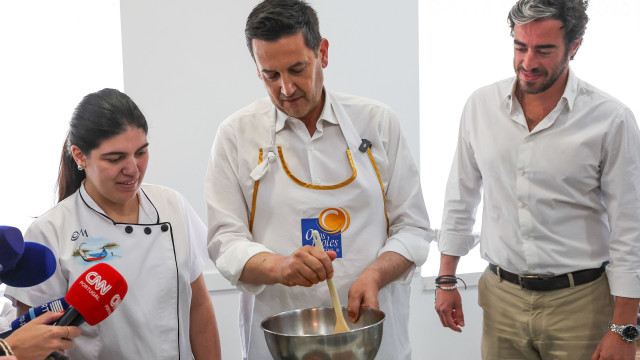
In Aveiro, at an egg sweets shop, the IL party president stated that his party is open to “contributing to a reformist, stable center-right solution,” stipulating that it will remain “rigorous and very demanding,” and highlighted the 18th May legislative elections as a “singular opportunity” to achieve this.
Subsequently, in Santa Maria da Feira, Rui Rocha characterized Luís Montenegro as a politician “who is not liberal” and criticized the outgoing PSD/CDS-PP government’s housing policies, arguing that “prices surged due to increased demand.”
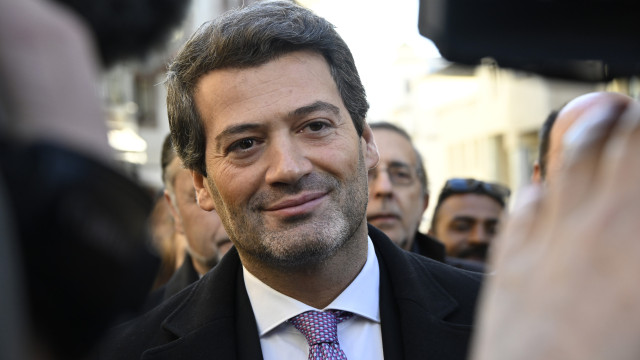
For the president of Chega, it became “clear that the President of the Republic desires a government with stability and suitable conditions, not one intended to last just one year or six months.”
During a rally in Viana do Castelo, André Ventura refrained from making commitments to support, reminding that a year ago his party enabled the PSD/CDS-PP minority government, stating “only a Chega victory on the right can guarantee the stability” not assured by either AD or PS.
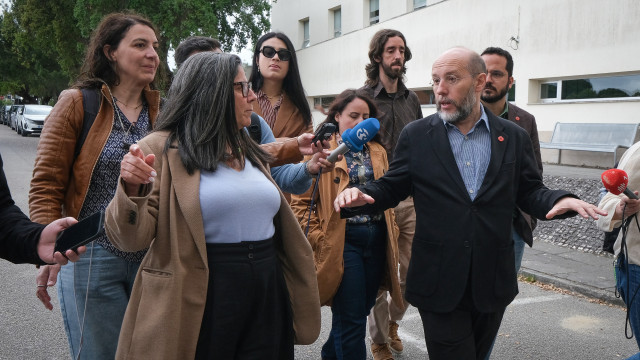
Rui Tavares, Livre’s co-spokesperson, emphasized “the President of the Republic’s alert,” which he deemed “essential,” asserting that the critical focus is “not on who finishes first” in these elections but on “who ensures governability conditions.”
After visiting the Polytechnic Institute of Setúbal, Rui Tavares argued for the left to have more deputies than the democratic right, delineating the parliament into “three blocs,” dismissing Chega as the far-right entity with whom no party wishes to govern.
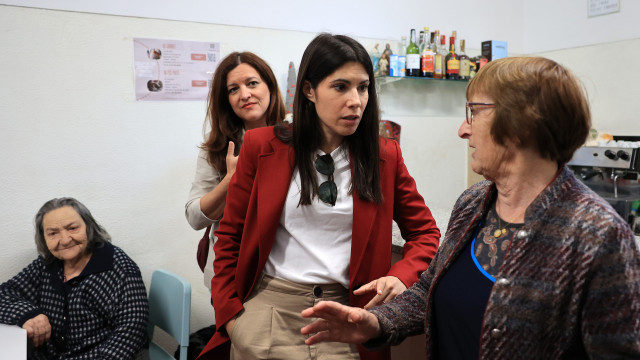
The BE coordinator continued her campaign focused on marginalized populations, visiting the Aldoar neighborhood in Porto, where she proposed expanding the social water tariff and ensuring a minimum electricity guarantee for low-income earners, “so nobody has to live without light or freeze in the winter.”
In Amadora, Lisbon district, the CDU campaign featured former CGTP general secretary Arménio Carlos, who, in the context of the CP strike, stated, “those who behaved like sheep have begun to reveal their true wolf skin,” cautioning against potential changes to labor and strike laws.
Speaking to journalists, PCP’s general secretary, Paulo Raimundo, expressed confidence in CDU’s growth and mentioned that on Monday, they will offer “more concrete perspectives” regarding anticipated outcomes.
In Porto, the PAN spokesperson criticized the President of the Republic for his remarks, which she admitted could be interpreted as a call for tactical voting, and advised him to “remain silent.” Inês de Sousa Real held PS and PSD accountable for the political instability, urging people to vote “for the causes they believe in” rather than the “major parties.”