The strike by CP – Comboios de Portugal workers continued for a second day, severely disrupting train services and impacting access to work, healthcare, and education. Luís Montenegro argued that “political, partisan, and electoral influences” prevented the strike from being averted and suggested the possibility of amending the law to balance the right to strike with other rights. His statements quickly sparked reactions and criticisms from political parties regarding the government’s actions, mainly from the Left.
Speaking to journalists during a campaign event in Figueira da Foz, Coimbra, the Prime Minister commented on the CP strike, now in its second day without minimum services, describing it as “absolutely unjust” and stating that the government “did everything to avoid it.”
“My belief and the belief of the government members involved in this process is that clearly, political, party, and electoral influences ultimately did not prevent what was the normal outcome of a negotiation process,” said the PSD president.
Nonetheless, Montenegro warned that the government would not negotiate under pressure ten days before the elections, especially as it is a caretaker government, and issued a warning for the future.
“This is an absolutely unjust strike, for whatever union and labor reasons might exist for those on strike. The effects of the strike and the harm it causes to people’s lives and the country’s life are immensely disproportionate. Frankly, one day we will have to put a stop to this,” he warned.
When asked about the specific changes he advocated, Montenegro emphasized that “the right to strike is not in question,” speaking of a “mechanism” that could balance the effects of strikes with the damage to people’s lives.
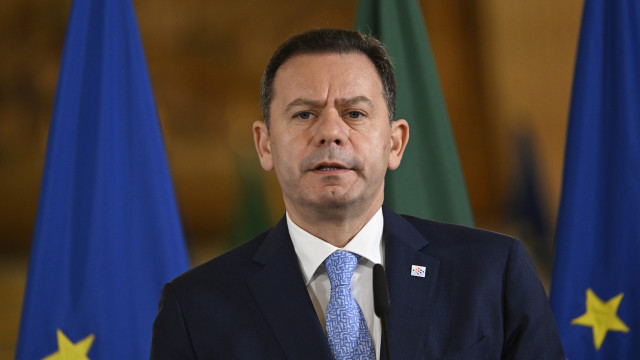
Pedro Nuno calls Montenegro’s remarks an “insult to democracy”
The secretary-general of the PS, Pedro Nuno Santos, quickly reacted, labeling the Prime Minister’s remarks as an unacceptable “insult to democracy,” accusing him of threatening to change strike laws, and ensuring “they will not succeed.”
“What the Prime Minister does in the midst of a strike is blackmail and threaten Portuguese workers with a change to the strike law. That is unacceptable, and I want to say that they will not succeed,” Pedro Nuno Santos responded to journalists during a walkabout in Covilhã.
For the PS leader, this statement by the Prime Minister is “an insult to democracy.”
“There is a strike underway with 100% adherence. The government failed in negotiations and now wants to blame the unions and the parties,” he condemned, admitting that “he couldn’t believe” what he had heard.
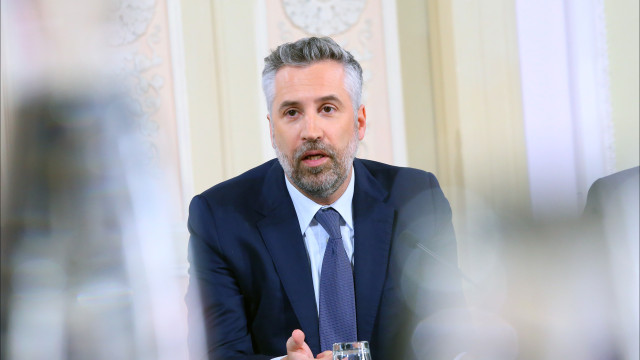
Livre argues that a caretaker government can solve issues at CP
Earlier, the spokesperson for Livre also commented on the strike, criticizing the government for invoking its caretaker status as a reason not to resolve problems at CP.
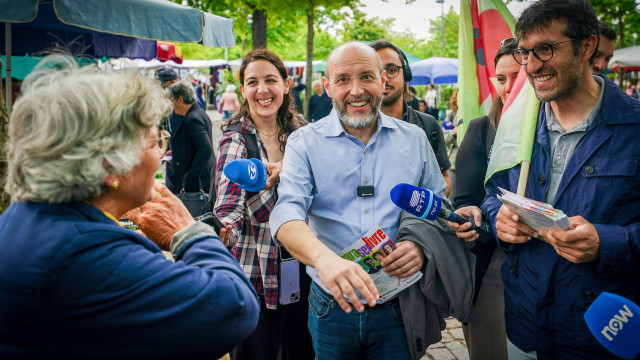
“This government can announce deportations on a Saturday morning, which later turn out to be administrative procedures that were not deportations; there, it is not a caretaker government. But to do what the Minister of Infrastructure has to do, which is to sit down and talk with the CP workers and understand functions that even for a caretaker government are often unavoidable, because the service is lacking for the Portuguese, there it is a caretaker Government that cannot act. What it does not want is to act,” said Rui Tavares to journalists on the sidelines of a visit to the Barcelos Fair, in the Braga district.
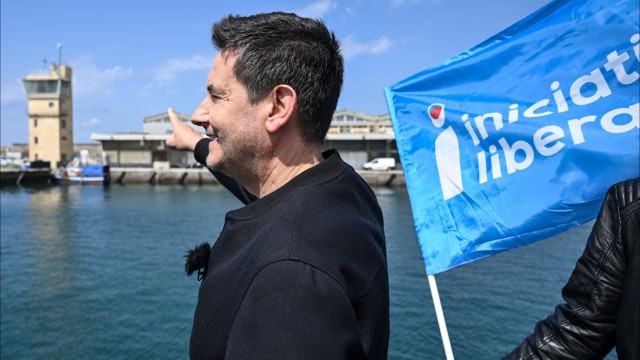
Right to strike “untouchable,” but IL open to labor law changes
Similarly, the leader of IL considered the right to strike “untouchable,” stating it is “a right of workers to fight for their goals,” but expressed openness to discuss changes to labor legislation.
“There are no untouchable laws. The right to strike, in itself, is untouchable. Obviously, the right to strike is a workers’ right to fight for their goals. In any case, just as we are open to evaluating other issues of the market and labor legislation, this [law] is not untouchable by nature, and therefore we are open to this discussion,” said Rui Rocha after a short boat ride in Póvoa de Varzim.
Rui Rocha said he wouldn’t comment on Luís Montenegro’s remarks, as he was not familiar with their content nor aware of what “political influences” were referred to, but reiterated that, for IL, it is necessary “to look at the labor market” and “flexibilize” its rules.
What does Marcelo say?
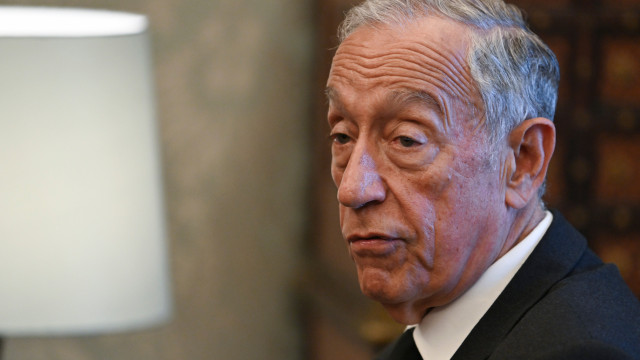
Asked about Montenegro’s statements, President of the Republic Marcelo Rebelo de Sousa remarked that “everyone campaigns as they wish.”
“Everyone campaigns as they wish and assumes responsibilities for the future. The President doesn’t comment on anything. I only comment analytically,” he began by saying, recalling that “during election periods, there is an increased incidence of labor conflicts, which often existed potentially but gain greater expression during the election period.”
“It is also natural for political figures to comment, on one side or the other, some supporting, others not supporting,” he further noted on the subject.
Regarding the possibility of changes to the strike law, Marcelo assured that this has “recognized changes over time, but it is not a matter currently on the table.”
The CP strike, continuing until May 14, was called against the imposition of salary increases “that do not restore purchasing power,” for “the collective negotiation of decent salary increases,” and for “the implementation of the salary table restructuring agreement as negotiated and agreed,” according to the unions.
The strike had a particular impact between Tuesday and today due to the larger number of unions (14) joining the stoppage on these days.
By decision of the Arbitral Tribunal, these strikes do not have minimum services.
The National Union of Train Drivers of Portuguese Railways (SMAQ) has already rejected claims that the strike has political motivations and blamed the government for the disruption caused to the public, for failing to honor a negotiated agreement.