
“I think it’s a bit of a hopeful illusion, perhaps due to a non-existent illusion of stability and, above all, a lack of commitment to the Portuguese people regarding what the country’s future holds in terms of transparency,” stated Inês de Sousa Real when questioned about the eight-year vote of confidence requested by PSD President Luís Montenegro on Tuesday night.
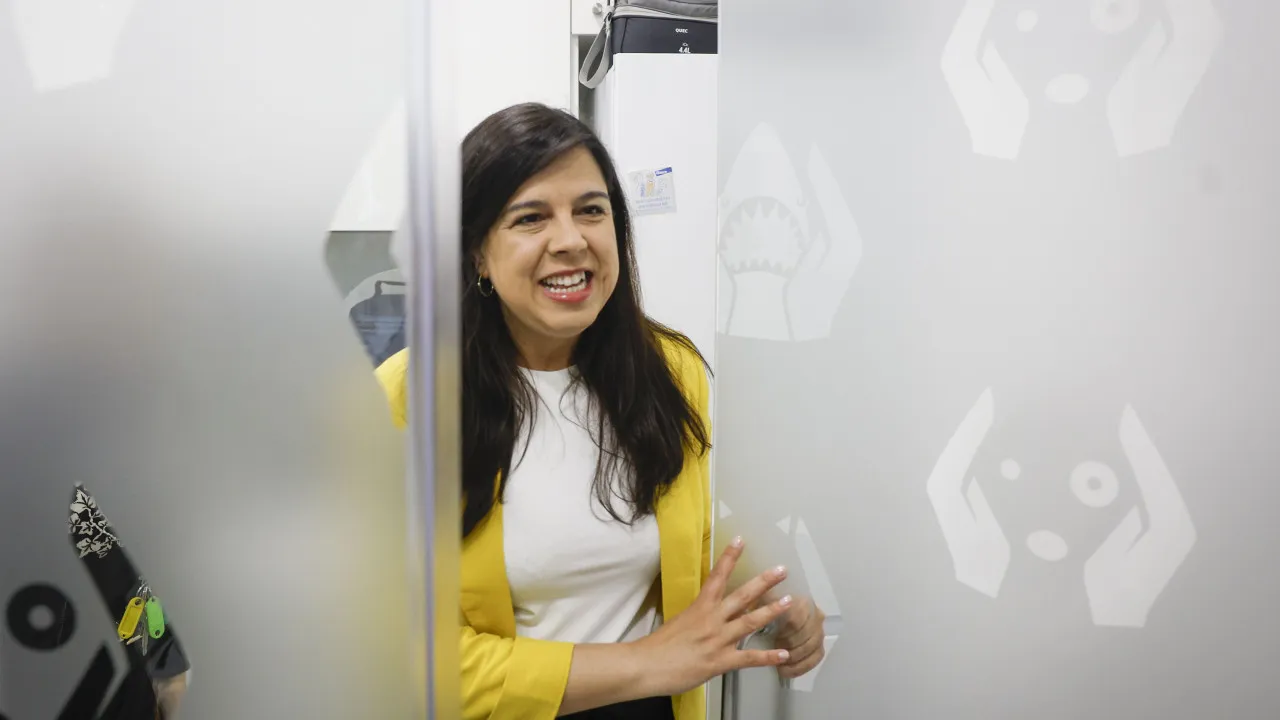
The spokesperson for People-Animals-Nature (PAN), Inês de Sousa Real, addressed journalists following a campaign event at the Society for the Protection of Animals in Lisbon.
Inês de Sousa Real described the Prime Minister’s expectations as “excessively optimistic,” arguing that his government has replicated the same minor issues as its predecessor. She noted that “the major parties fail to provide any response or solution to the significant challenges faced by the people.”
The PAN leader also accused Prime Minister Luís Montenegro of “a lack of commitment to the Portuguese” concerning transparency, claiming he “managed to turn a personal problem into a national issue, dragging Portugal toward new elections.”
Sousa Real emphasized that the Prime Minister must not forget he still owes “explanations to the country” and has not articulated “his vision on absolutely structural matters” during the campaign.
During a visit to an association supporting abandoned and at-risk animals, PAN’s proposal for the establishment of a national health service for animals (SNS Animal) was brought to the forefront again. The party leader argued that “it would be a profound incompetence of the Portuguese State not to establish a network of public veterinary medical services.”
“It is not just PAN asking for this, but civil society, more than half of Portuguese households have pets, and associations have been doing what the State has failed to achieve. Given today’s example of the clinic and others we have visited, if associations with their limited resources can provide these services, why can’t the State?” she questioned.
The PAN’s spokesperson outlined that the SNS Animal model would focus on creating a network of veterinary treatments, involving faculties, animal protection associations, or private clinics. The State would establish protocols to ensure the financing of animal care.
“It doesn’t make sense to see desperate people turning to these associations, sometimes going without food to pay for their animals’ health care, or elderly individuals unable to travel, ending up having to leave animals in the care of associations, because they cannot handle the veterinary treatments,” added the PAN leader.