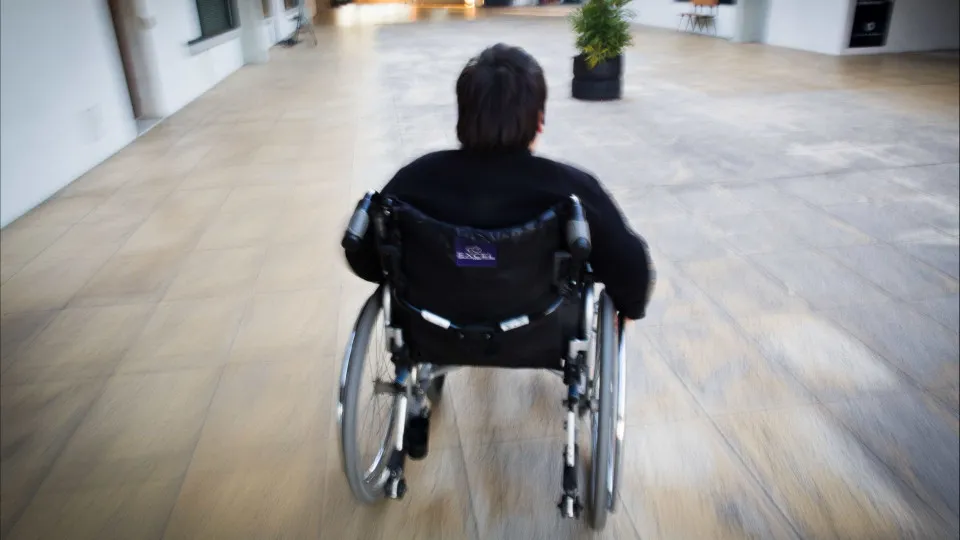
“Completion rates within the expected time for children and young people from families and/or backgrounds that are more vulnerable socially, economically, and culturally, as well as for foreign students, remain significantly lower than those of other students with noticeable differences,” states the report by the National Council of Education (CNE).
The CNE indicates that the data “reveal weaknesses in inclusion strategies and the effectiveness of support measures.”
The report highlights that “there are more students in the educational system, and its diversity has been increasing, reflecting the country’s social fabric”, yet the offering of the Portuguese as a Second Language course “is insufficient for the number of foreign students in the system.”
The document states that in 2023/2024, 174,126 foreign children and young people attended compulsory education in Portugal, 31,366 more than the previous year, which marks an increase of 22%, representing 13.6% of non-adult students who attended basic and secondary education, and 9.5% in preschool education.
Less than a quarter of the 70,000 foreign students in Portugal who are not proficient in Portuguese are taking Portuguese as a Second Language classes, a discipline whose offering is not keeping pace with the increase in these students, warns a report released today.
Lusa | 00:07 – 09/12/2025
The CNE further points out that “effective support for children and young people with specific health needs is at risk due to the lack of specialized resources,” emphasizing that the monitoring and evaluation of inclusion measures are “crucial to combat the inequalities that persist in the educational system.”
The document notes that “exceptional and temporary measures have been taken, such as assigning teaching and specialized technical personnel to public education institutions or expanding specialized structures (Resource Centers for Inclusion, Learning Support Centers, reference schools), but warns that “territorial inequalities, insufficient specialized technicians, and teachers remain, hindering the full implementation of learning support and inclusion measures.”
To “effectively combat inequalities,” the CNE advocates for strengthening human resources and developing “greater coordination between education and health support structures.”
The document also highlights “persistent and significant differences between internal grades” given in public and private schools in scientific-humanistic courses, which, for private schools, “are on average two points higher, favoring their students in access to higher education.”
“The transition to higher education is equally conditioned by the students’ socioeconomic backgrounds,” the CNE notes, adding that only 48% of the most disadvantaged students enroll in a higher education course in the year following the completion of secondary education, compared to 57% of those who did not require financial support.
“Despite the increase in the number of graduates from higher education levels, reaching 101,213 (5.9% more than the previous year), the challenge of ensuring equitable opportunities for all remains,” it highlights.
Students from more socially, economically, and culturally disadvantaged backgrounds, as well as foreign students, face more challenging educational paths with significantly lower success levels compared to their peers, warns a report released today.
Lusa | 00:07 – 09/12/2025