

The findings are detailed in the Medialab ISCTE report focused on the blackout that affected the Iberian Peninsula on April 28. This report is part of a collaboration with the National Elections Commission (CNE) to monitor misinformation during the campaign for the legislative elections on May 18.
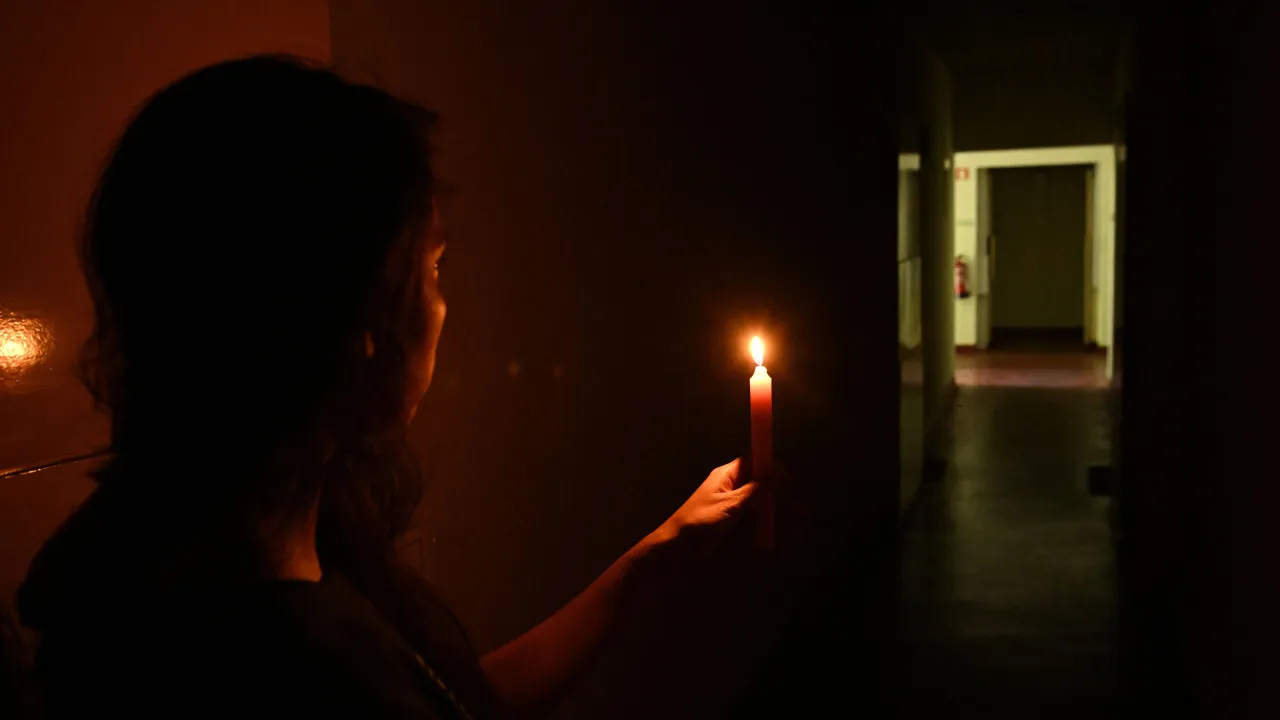
The analysis reveals that on that day alone, 1,735 news articles were published, averaging 2.3 stories per minute. Many of these articles did not reach citizens, who were without electricity for most of the day.
The media attempted to dismantle narratives that surfaced on social media to explain the power cut due to ineffective government communication. Despite their efforts, some editorial choices inadvertently contributed to “feeding confusion and misinformation.” For instance, CNN Portugal debunked an alleged CNN International story attributing the blackout to a Russian cyberattack, reportedly quoting European Commission President Ursula von der Leyen.
“Despite being important, it reproduced the entire false message text,” the researchers noted, adding that this choice “caused visibility issues in search engines.”
In quick Google searches, the false message content appeared prominently for CNN Portugal’s site and pages without the context of the debunk. “A critical error in situations of information emergency,” they stated.
Another example cited was a Jornal de Notícias headline shared on Twitter. It quoted Spanish Prime Minister Pedro Sánchez, claiming the electricity “vanished” without apparent cause, leading to false or alarming interpretations.
Despite these shortcomings, national media primarily sought to debunk disinformation regarding the blackout. Conversely, individual users on the platform X mainly shared the idea that the blackout had terrorist or political motives.
Publications replicating false narratives about the event reached a significantly larger audience, with 173,000 views compared to 55,000 views of those that debunked misinformation.
The researchers attribute this discrepancy to the dwindling access citizens had to networks as hours passed.
The National Elections Commission (CNE) and Medialab, supported by the Lusa agency, are monitoring social networks to gauge the impact of misinformation in the May election campaign, continuing until May 24.
Medialab produces weekly reports on the phenomenon of misinformation.