On December 12, 2015, the 195 countries attending the 21st UN climate conference in Paris adopted a groundbreaking, universal, and binding agreement to combat global warming and climate change.
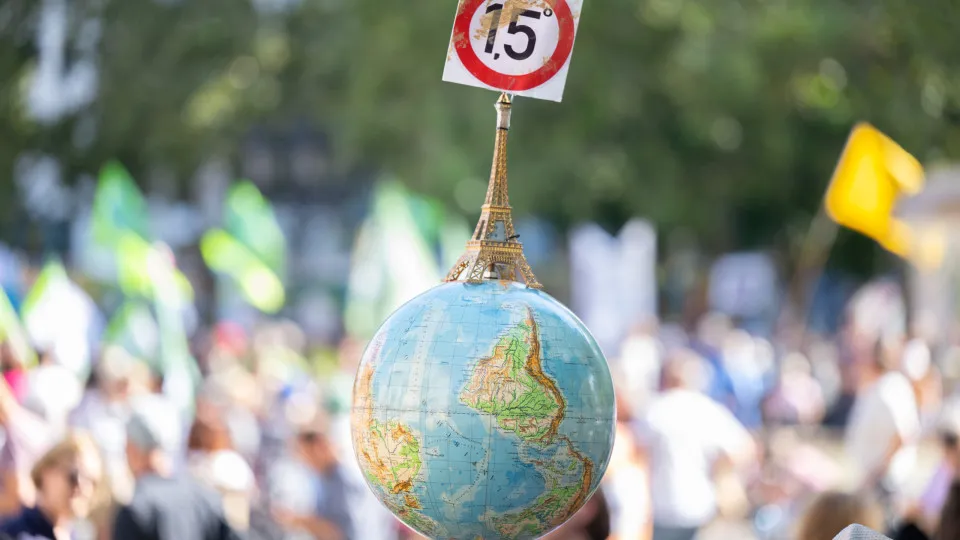
The Agreement outlines measures to limit temperature rise to two degrees Celsius by the end of the century, ideally not exceeding 1.5ºC above pre-industrial levels, to avert catastrophic impacts due to global warming triggered by greenhouse gas emissions, particularly from fossil fuel combustion.
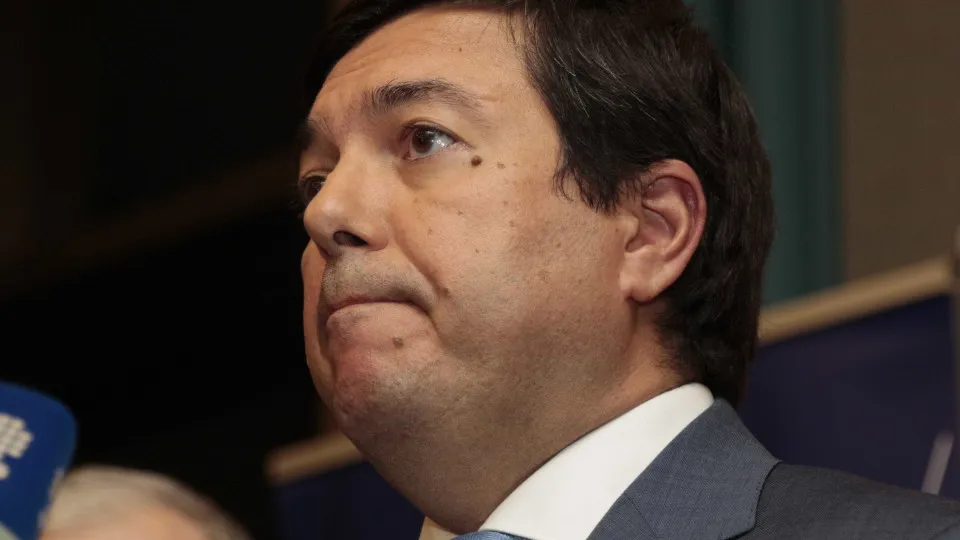
Present at the debates in Paris was the environmental association Quercus, currently led by Alexandra Azevedo. Also attending was environmental expert and professor at Universidade Nova, Francisco Ferreira, who has presided over the association Zero since that time.
In statements, both leaders highlighted gaps and a lack of ambition in the Agreement but asserted its underlying spirit remains intact.
Alexandra Azevedo acknowledged a lack of ambition in the Paris Agreement, citing conflicts of interest and the absence of global consensus, yet pointed to positive regional agreements, such as the 2026 Colombia conference on the phased elimination of fossil fuels. “Staying paralyzed due to the impossibility of a global agreement is not an option,” she stated.
With vulnerable countries already suffering from damage caused by developed nations, the Paris Agreement “was not honored at the last UN climate conference,” held in Belém, Brazil, last month. However, she added, “its spirit is not entirely lost.”
The energy transition is underway, but boundaries are being exceeded, leading to protests in various countries (such as the proliferation of solar panels).
While the Paris Agreement goals remain unmet, they continue to serve as a benchmark. “There is a global awareness of the temperature horizon,” she noted, adding, “2030 is tomorrow, and we are far from the Agreement’s targets.”
Francisco Ferreira remarked on the positive trajectory due to the Paris Agreement, noting that a decade ago the world was heading towards a global warming increase of 3.5 to 4°C.
However, progress remains “below the Paris Agreement,” and this will not be the year when greenhouse gas emissions begin to decline. In fact, he noted, emissions have only decreased once, during the COVID-19 pandemic.
Current data indicates that by 2035 emissions will have dropped by 10%. But from 2019 to 2030, a reduction of 25% was required to limit warming to 2°C, with 44% needed for 1.5°C. The projected 10% by 2035 falls short of even the 2°C target.
The Zero chairman stressed the Paris Agreement’s message that a 1.5°C temperature rise compared to pre-industrial times is assessed over 20 years. “We have not yet reached that level, but it is expected by 2030.”
Referencing a 2018 scientific report, Francisco Ferreira warned that this decade is crucial in the fight against global warming. He added, “However, we are not managing to respond effectively.”
“We aim to maintain the 1.5ºC threshold, but it is clear that our current pathway requires dramatic shifts,” he said, recalling that humanity not only emits more but also depletes carbon sinks, destroying double the amount of forests than it restores.
“We are being saved at the ocean’s expense, which absorbs 90% of excess heat,” he noted.
He further emphasized the Paris Agreement’s importance in the periodic review of countries’ emission reduction contributions, pointing out that COP30 accelerated this process and increased ambition.
As Alexandra Azevedo mentioned, a promising path could be the initiative of countries like Colombia to move forward without waiting for UN conference unanimity.