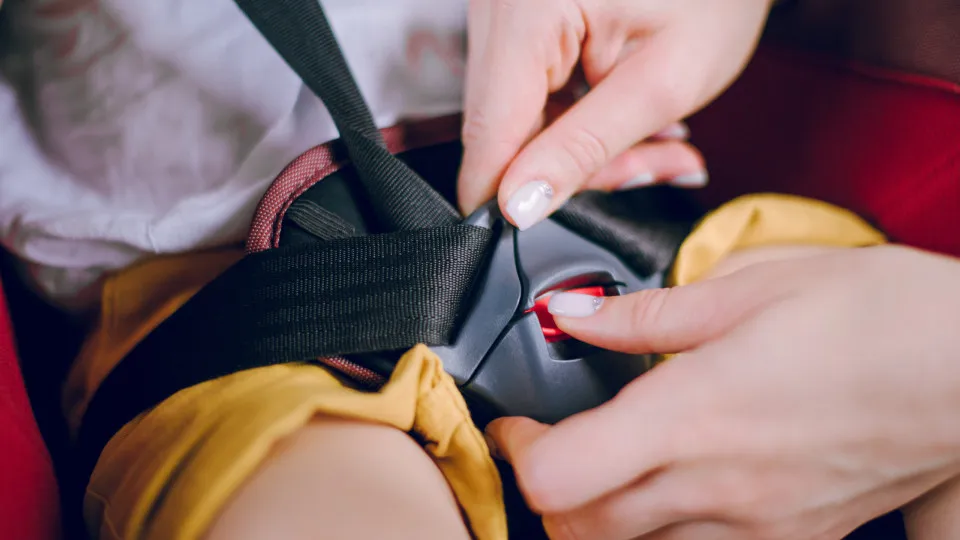
The initiative seeks to amend the Legal Framework for the Collective Transport of Children and Youth, setting a maximum age limit of 20 years for vehicles providing children’s and youth transportation services. This extends the current 16-year limit, which has been extended to 18 years since 2021 through exceptional measures.
The proposal was approved with abstentions from IL, PAN, JPP, Livre, and Socialist MP Pedro Delgado Alves, while the remaining parliamentary groups supported the measure.
In February, the parliament previously discussed a similar bill proposed by the same party, which was referred to the parliamentary committee on Economy, Public Works, and Housing but never reached a final global vote due to the government’s collapse.
At that time, the PSD suggested increasing the vehicle age limit to 25 years, now reducing it to 20 years. Social-Democratic MP Bruno Faria described this change as “balanced and sustainable after consulting the social sector and municipalities.”
During Wednesday’s debate, Bruno Faria argued that the legal framework amendment allows for a more realistic management of the vehicle fleet, acknowledging the financial constraints faced by municipalities and social entities that hinder fleet renewal.
PS and Chega acknowledged during the parliamentary debate the need to make the law more flexible to maintain children’s and youth transportation services, while issuing warnings.
Chega’s Paulo Seco argued that “merely extending deadlines is not enough” and advocated for increased intervention by inspection centers to ensure vehicle quality, along with financial incentives for fleet renewal.
Socialist Frederico Francisco warned lawmakers to “be cautious not to enter a slippery slope,” recalling that the aim of previous exceptional measures—first introduced under PS governments—was to allow entities to adapt to the general regime, which has a 16-year limit.
Safety and the need for financial support for institutions were also primary concerns expressed by other parliamentary groups and independent MPs.