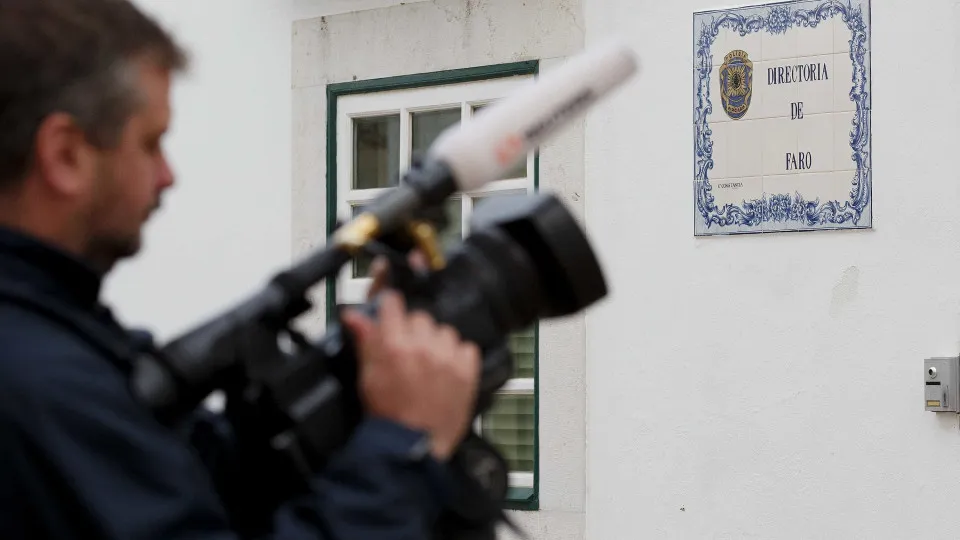
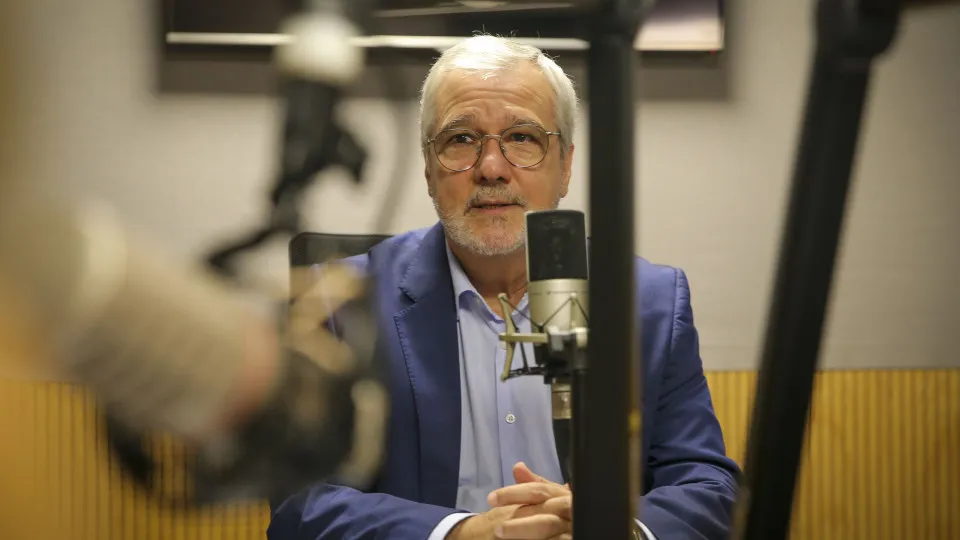
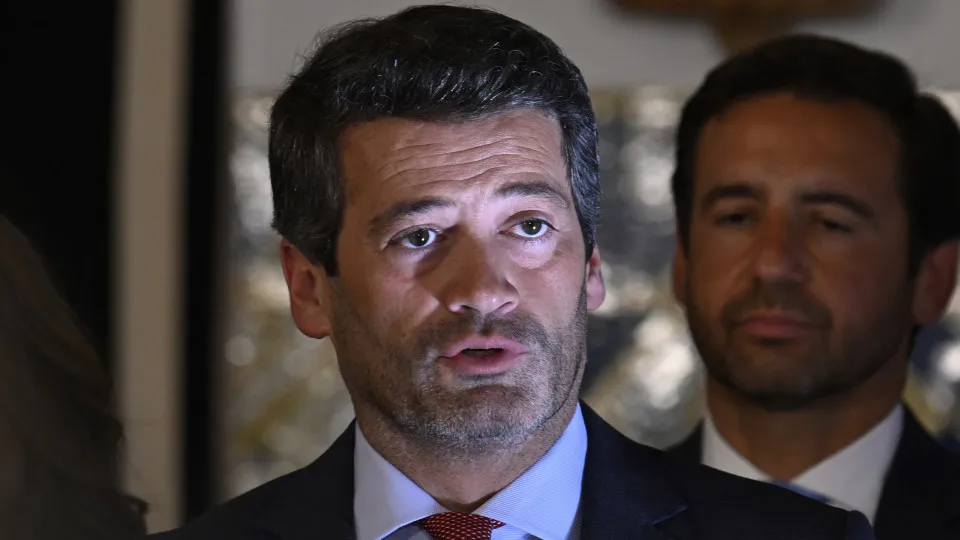
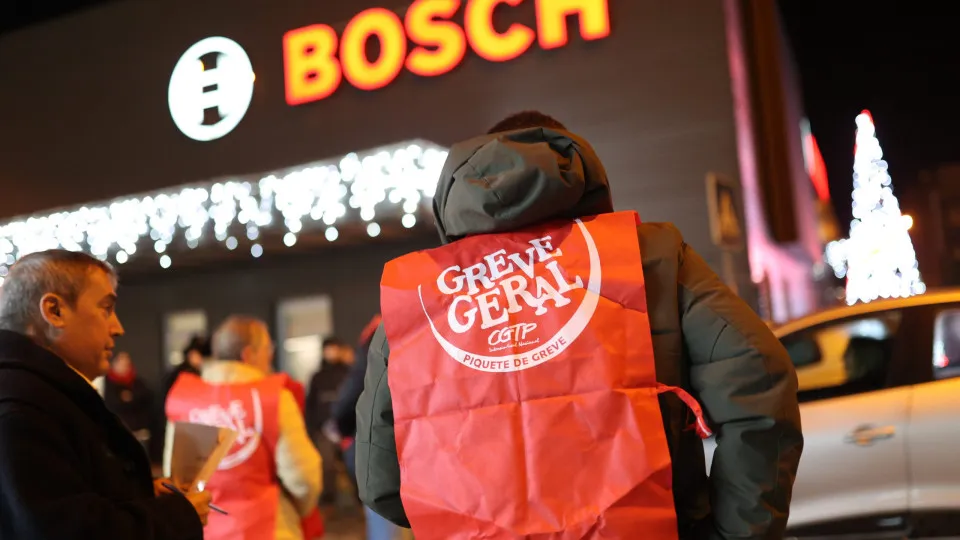
A general strike on Thursday, December 11, is impacting various sectors, including transportation, healthcare, education, and public services. The CGTP describes a “massive adherence” and images of strike pickets have started to emerge.
View the gallery above for the first photos of the strike, which marks the first joint action by CGTP and UGT since June 2013, during which Portugal was under the ‘troika’ intervention.
The general secretary of CGTP urged participation in the general strike scheduled for Thursday to send “a signal of rejection” against the government’s proposed labor law revision, assuring that minimum services will be maintained.
The government is attempting to “remove the right to have a stable life, a dignified life with a future perspective,” stated Tiago Oliveira, speaking to journalists after a visit to the Lusa agency, invited by the company’s Workers’ Committee, ahead of the general strike against the government’s draft labor legislation, called by CGTP and UGT.
The general secretary of CGTP called on workers to join the general strike to “enhance their living conditions” and “to give a signal of rejection to this labor package.”
Tiago Oliveira expressed confidence that the general strike would see “great participation,” in light of the “attack underway” and assured that minimum services would be fulfilled.
“The population will certainly have access to essential sectors during a general strike, particularly in healthcare, and everything is ensured to avoid any failures,” reiterated Tiago Oliveira, responding to the prime minister’s comments, who expressed hope for the country to operate “as normally as possible.”
Regarding the concern raised by Luís Montenegro, who hoped that “everyone wishing to work can work,” Tiago Oliveira criticized the prime minister for making “several incomprehensible statements” and urged the government to “withdraw the proposal facilitating dismissals.”
“The government must understand one thing. The general strike has to have an impact. The aim of the general strike is to clearly, strongly, and unequivocally tell the government to step back from presenting the labor package,” he stated.
When questioned about the economic stability argument invoked by the prime minister, the CGTP general secretary recalled the labor law changes during the ‘troika’ period, stating that “the situation of weakness was exploited to strip workers of their rights.”
“Ten years later, we have full employment, the country is moving forward, the economy is growing. What’s the recipe? Increased precariousness, dismissals, attacks on trade union freedom, attacks on collective bargaining, deregulation of working hours,” he critiqued.
According to the union leader, there are “two completely different and distinct scales, [but] the recipe is exactly the same. Strip workers of their rights, attack the world of work, and weaken labor relations.”
The CGTP leader also said that the path forward after the general strike “lies in the hands of the government,” but emphasized that if it continues with a policy “of withdrawing rights and increasing everyday difficulties, struggle is the answer.”
At the end of the visit, the CGTP general secretary met with the Lusa administration, noting upon leaving that the meeting was “very positive.”
Tiago Oliveira also highlighted the “fundamental role of the State” in the future of the media and left “assured that Lusa has, from its employees, the strongest defenders of public service,” as well as the role the agency “has in our society.”