
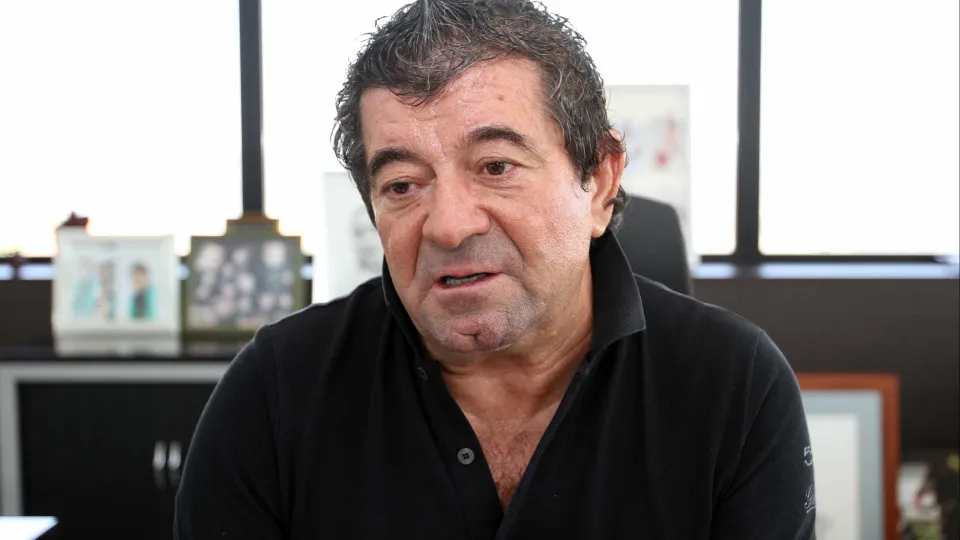
“The simplification review of the PRR was submitted on October 31, and today we have the opportunity to see that the European Council has approved it,” stated Fernando Alfaiate, president of the Mission Structure Recover Portugal.
This statement was made in Lisbon during the session “Revision: One Step to the Goal,” organized by Recover Portugal, responsible for monitoring the plan’s implementation.
Fernando Alfaiate clarified that the focus is on simplification, not reprogramming; thus, no new projects were included.
The goal was to remove complexity without altering the overall aim of the PRR.
Efforts were made with beneficiaries, oversight, and the European Commission to streamline processes and make the plan more efficient.
“We cut bureaucracy, but we didn’t cut the PRR,” he emphasized.
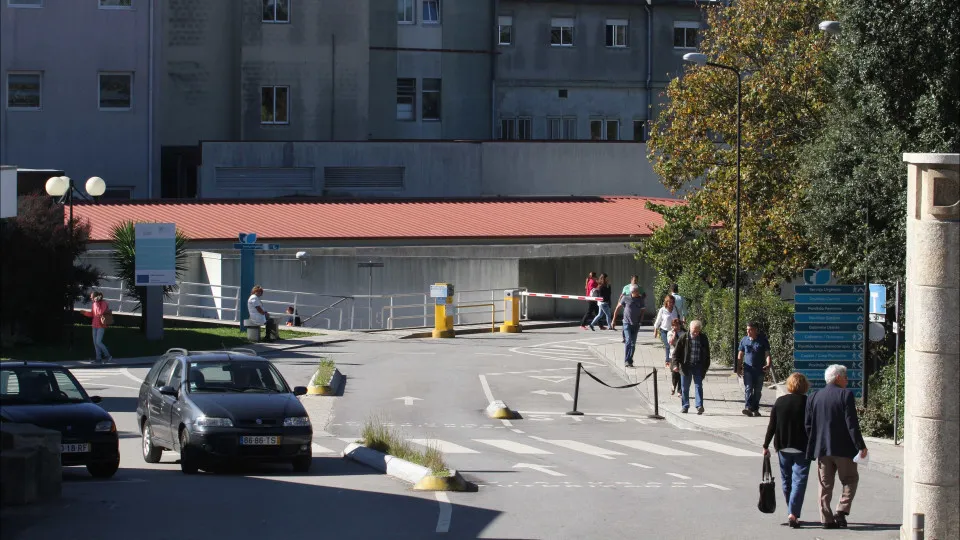
As part of this review, investments related to the Alcântara metro line and the Lisbon Oriental Hospital were removed due to “issues of temporal eligibility,” considering the PRR’s deadline is August 31, 2026.
However, Recover Portugal explained that these investments will continue to be secured by loans within a different temporal and financial framework.
Another change involves milestones and targets that must be met for Brussels to proceed with disbursements, with a reduction of 46 milestones, for example, through mergers.
The president of the Mission Structure Recover Portugal also noted that with the eighth payment request, the PRR’s execution stands at 61%.
Approximately 63% of the plan was received by the Member State, and 84% of that amount, or 13.8 billion euros, is in the hands of beneficiaries.
Still, he warned that the last two payment requests represent 33% of the PRR’s total allocation.
“Here the European Commission didn’t help us much. I think it’s excessive, but we will be efficient,” he assured, further stating that the year 2026 will not be the end of the PRR, but “the beginning of the country we chose to build.”
The PRR, with an execution period until 2026, aims to implement a series of reforms and investments for economic recovery.
In addition to addressing damage caused by COVID-19, the plan seeks to support investments and generate employment.