

The leaders’ conference had scheduled the elections for the various external bodies for December 19, including the five members of the Council of State, three judges of the Constitutional Court, and the Ombudsman, with candidacies to be submitted by today.
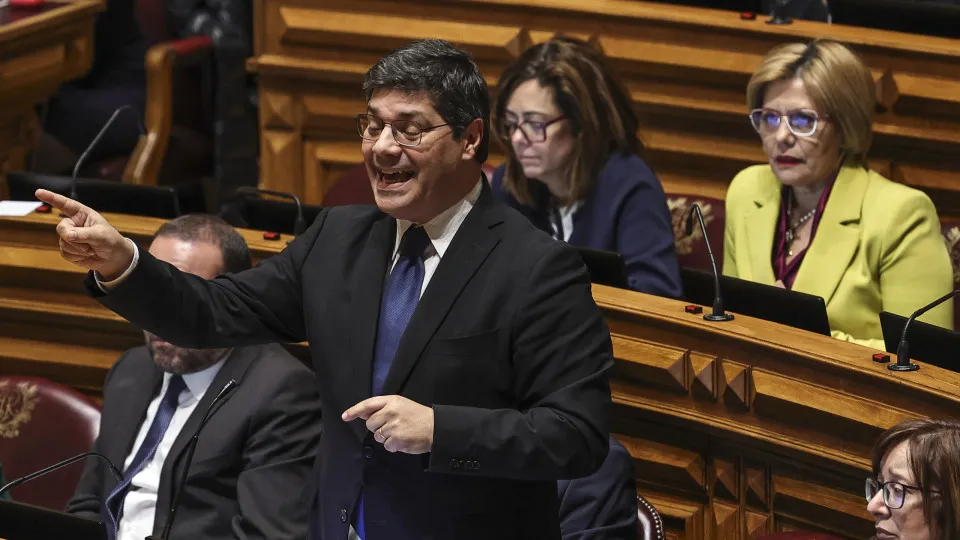
When questioned about the new postponement of this process, on the sidelines of parliamentary statements regarding the media situation, Eurico Brilhante Dias replied, “Let’s wait for the right moment.”
“The Socialist Party is prepared to hold elections and to negotiate, naturally, and to talk with the PSD about these topics when the PSD feels ready,” he stated.
This week, a report indicated that the process would only move forward after the presidential elections (on January 18, with a potential second round on February 8) due to a lack of agreement among the three major parties—PSD, Chega, and PS—concerning the elections for more than two dozen positions.
The current legislative session began on June 3, but deputies have yet to vote on candidates for members of the Council of State, judges of the Constitutional Court, or the new Ombudsman.
During this legislative period, the leaders’ conference has already set dates for elections to replace the three missing judges of the Constitutional Court and the Ombudsman—a position left vacant by Maria Lúcia Amaral’s transition to Minister of Internal Administration.
However, after dates were set for these elections by the leaders’ conference, the parties with parliamentary representation failed to present candidates for the vacant positions in these institutions.
Elections for the judges of the Constitutional Court and the Ombudsman are conducted by secret ballot by the 230 deputies and require approval by a qualified two-thirds majority.
In the current parliamentary scenario resulting from the legislative elections last May, unlike in previous legislatures, achieving a two-thirds majority requires more than just a political agreement between the two largest forces represented in the Assembly of the Republic, traditionally PSD and PS.
Now, to achieve two-thirds of favorable votes, the parties supporting the Government, PSD and CDS, must reach an agreement with Chega or PS and then add support from a third parliamentary group, either the Liberal Initiative or Livre.
In the case of the five members for the Council of State, the advisory body to the President of the Republic, the election results are determined through the D’Hondt method among the different competing lists.