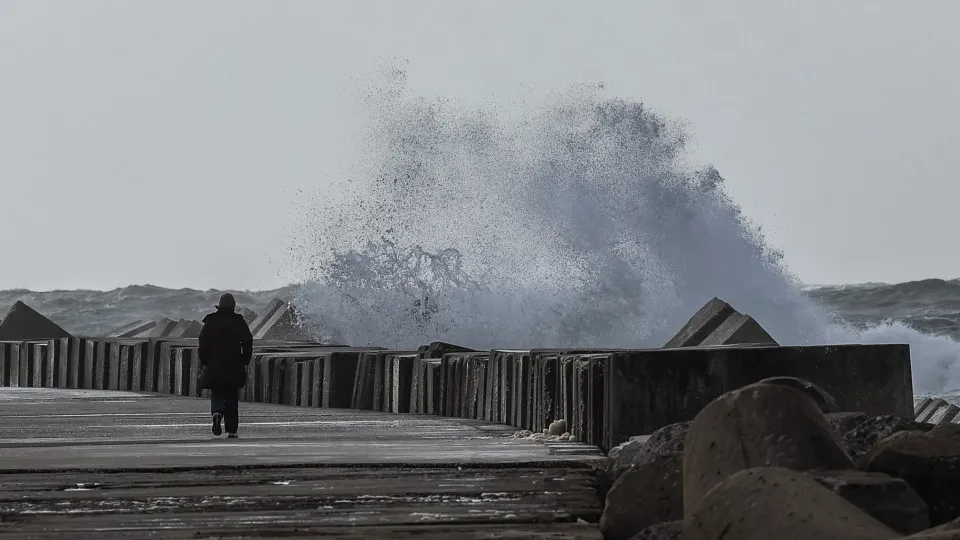


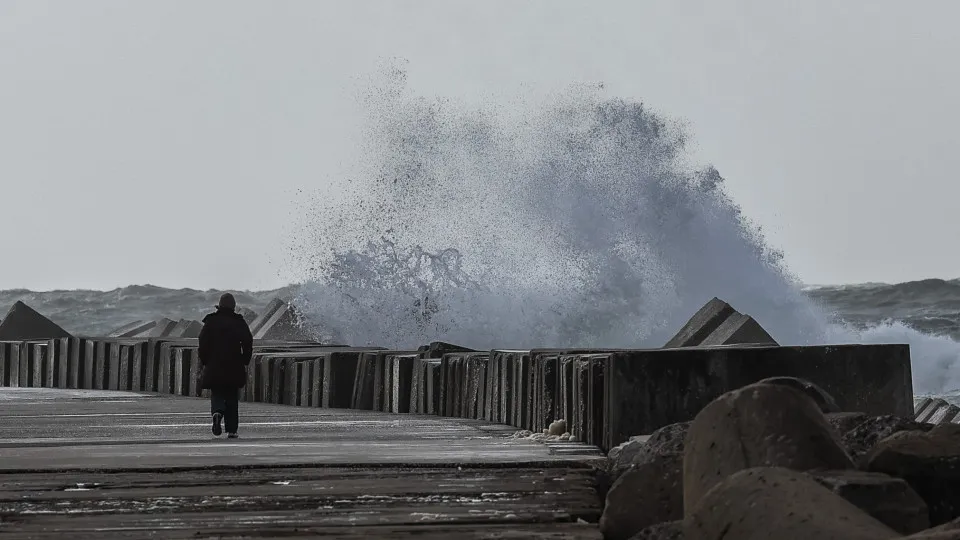
Districts under a ‘orange warning’ due to rough seas include Porto, Braga, Viana do Castelo, Lisbon, Leiria, Aveiro, and Coimbra, with northwest waves reaching significant heights of five to six meters, and maximum heights potentially reaching 11 meters, from 6:00 PM today until 3:00 PM Thursday, as per the Portuguese Institute of Sea and Atmosphere (IPMA).
The ‘yellow warnings,’ covering periods before and after the orange, with waves four to five meters high, also include Faro, Setúbal, and Beja.
The IPMA issues an orange warning for “moderate to high-risk weather situations” and a yellow warning when there is a “risk for certain weather-dependent activities.”
In the northern interior, the districts of Guarda and Castelo Branco are under a yellow warning due to snow, with accumulations of approximately five centimeters above 1,400 meters and up to 10 centimeters in the highest points of the Serra da Estrela predicted.
The IPMA cautions about potential disruptions such as restricted or closed roads, ice formation, damage to structures or trees, and impacted local supplies.
It further advises adherence to issued warnings and the adoption of preventive measures, such as reducing outdoor activities during periods of maritime agitation and monitoring road conditions in areas with snow and ice.
The Directorate-General for Health (DGS) recommended preventive actions on Sunday in light of the cold weather forecasts, particularly in the North, noting an increased risk of respiratory diseases, worsening chronic conditions, and accidents.
With the IPMA predicting cold weather in the coming days, including negative temperatures in some northern districts of mainland Portugal, the DGS issued several public health recommendations to mitigate the adverse effects of cold weather.
These recommendations include avoiding prolonged exposure to cold and sudden temperature changes, dressing in layers, using hats, gloves, and scarves, avoiding sitting for more than an hour when at home, drinking water even without feeling thirsty, consuming soups and hot drinks, avoiding alcohol, increasing the intake of vitamins, minerals, and antioxidants such as fruits and vegetables, and avoiding fried foods or those high in fat or sugar.
The DGS also calls for “increased attention to the most vulnerable,” including small children, the elderly, people with chronic illnesses, outdoor workers, isolated individuals, or the homeless, suggesting care with outdoor activities by preventing strenuous efforts in the cold and wearing suitable clothing.