
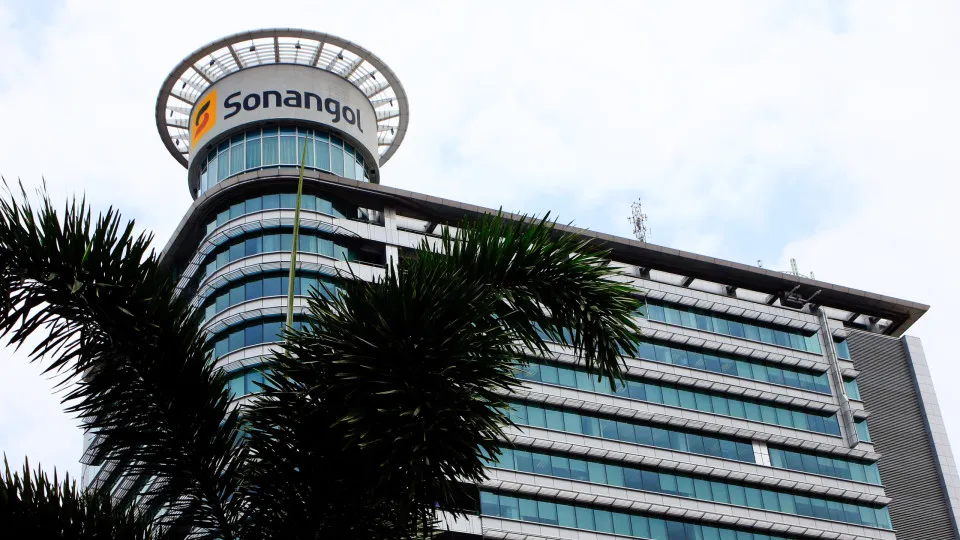
The proposals are outlined in a document from the Centro de Estudos de Desenvolvimento Económico e Social de Angola (CEDESA), signed by Rui Verde, indicating that Sonangol is undergoing a “process of decline that cannot be solely explained by unfavorable circumstances, such as the pandemic or the volatility of international oil prices.”
The academic emphasizes that what’s evident is “a structural erosion,” stemming from institutional fragility and the company’s inability to boost oil production.
The study notes that investments made outside the oil sector—into health, transport, telecommunications, or real estate—”have proven unsustainable,” accumulating hundreds of millions of dollars in losses and becoming a permanent burden on the state oil company’s finances.
Additionally, governance issues persist, marked by corruption, nepotism, and fuel siphoning schemes, which “eroded the company’s credibility and exposed its institutional vulnerability,” it adds.
The analysis states, “Sonangol’s decline is not circumstantial but structural,” resulting from the fragility of parallel businesses, poor management, and the inability to increase production.
Several signs of decline are highlighted, such as the continuous drop in profits, “opacity in dealings with the Angolan state,” lack of accounting transparency, and absence of public auditing, noting that “production is stagnant.”
Domestic oil output has consistently decreased from over 1.8 million barrels per day in 2008 to less than 1.1 million in 2024, with Sonangol failing to reverse the trend through new technologies or enhanced recovery projects, the study highlights.
Another critical factor is the reduction in investment in exploration and development. Instead of prioritizing productive reinvestment, Sonangol has allocated resources for debt compensation with the state, non-transparent financial operations, and maintenance of non-strategic assets.
Although plans for partial privatization, including a potential public offering of up to 30%, have been announced, doubts linger regarding the quality of financial information and internal governance, discouraging potential investors, says Rui Verde.
CEDESA proposes a profound reform of the state oil company, involving the privatization of 45% of the capital on the international market, ensuring that “one-third of this stake is reserved for employees” to “democratize the shareholder structure,” strengthen alignment between workers and management, and attract international capital and expertise.
The author further advocates for the approval of a law prohibiting political party members from holding positions in Sonangol, shielding the company from party interference and ensuring appointments based on technical and merit-based criteria.
“The independence of the administration is indispensable for attracting international investors and recovering public trust, preventing Sonangol from being used as an instrument of political patronage,” he underscores.
Another proposal is the selective privatization of Sonangol’s chronically loss-making areas, including Sonangol Distribuição.
According to the report, the downstream segment (refining, transport, and distribution) is traditionally burdensome, with low margins and demanding investment.
Transferring it to private operators would allow the state and Sonangol to focus on strategic and more profitable segments, such as exploration and production, while competition in the domestic market could improve prices and service quality, argues the researcher.
On the social front, it is suggested that a portion of the generated revenues be directly channeled to the producing provinces to fund infrastructure, education, and health. This territorial redistribution, it is argued, would reduce regional inequalities and strengthen the legitimacy of natural resource exploitation.
Lastly, significant increases in investment in research and development (R&D) are advocated, especially in areas such as energy efficiency, renewable energies, and decarbonization technologies.
CEDESA is an independent research group composed mainly of academics and international experts analyzing public policies and economic governance in Angola.