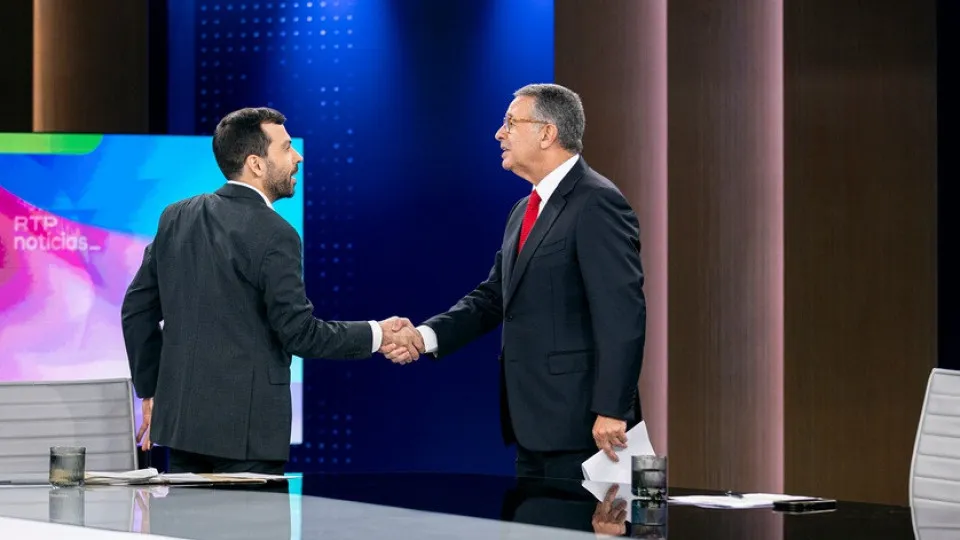
In a televised debate during the pre-campaign phase for the presidential elections taking place on January 18, both candidates expressed criticism of the labor legislation. Seguro indicated a “clear inclination” not to accept the current draft if elected, echoing a position previously declared by Jorge Pinto.
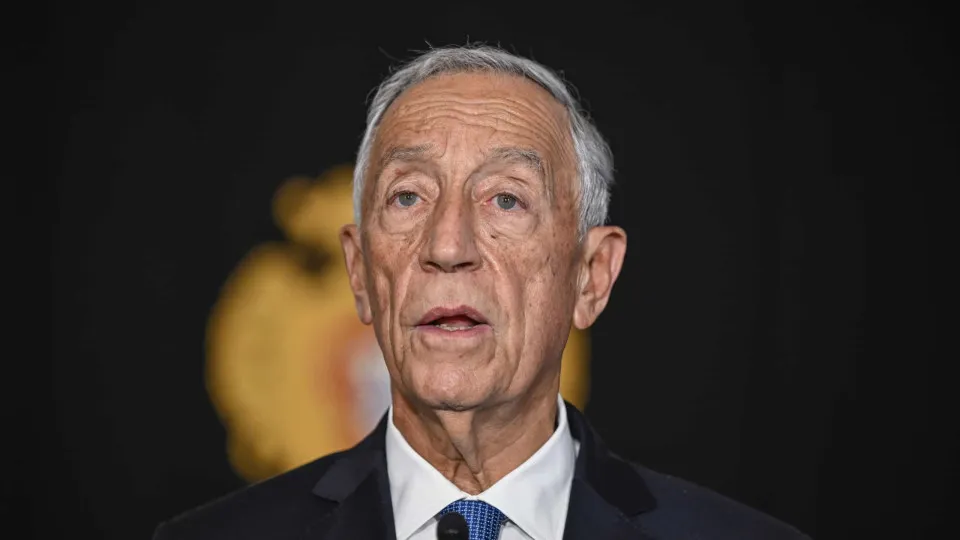
The debate, aired on RTP, commenced with both contenders wishing a swift recovery to the President of the Republic, who was admitted to Hospital de São João, Porto, following a bout of illness. Divergences soon emerged, with Jorge Pinto challenging Seguro’s past maneuver regarding the “violent abstention” in the 2012 State Budget and his opposition to some socialist deputies’ demands for a constitutional review of certain statutes.
Jorge Pinto, a former PS member who resigned from the party during Seguro’s leadership, denied ever considering withdrawal in favor of Seguro, lamenting the latter’s decision to run for the presidency without prior engagement with the left.
Responding, the former PS Secretary-General asserted his commitment to being from the “responsible left,” declaring his candidacy unaided by “arrangements or agreements” and refuted any notion that his decision precluded a potentially more unifying bid.
“We live in a democracy, so how could I block someone’s candidacy?” he asked, likening candidacies to “acts of courage.”
Seguro further expressed regret that a young candidate like Jorge Pinto was “so attached to the past” and took credit for thwarting right-wing attempts during the ‘troika’ era to enshrine limits on debt and deficits in the Constitution.
Towards the debate’s conclusion, Seguro highlighted their shared belief in the importance of preventing the PSD from becoming a “hegemonic party in Portuguese society” by diversifying support across presidential contenders.
“Can you imagine a second round scenario with only two right-wing candidates and my absence? You are not my enemy. I am striving to ensure the left, the center-left, the democratic left has presence in the second round, attainable only through vote convergence for my candidacy,” he appealed.
Jorge Pinto confirmed his intention to proceed to the end of the first round, stating, “I will go all the way because I know what I will do as President of the Republic.”
In his closing remarks, Seguro insisted that “everyone should take responsibility,” cautioning, “I hope no leftist voter awakens on January 19 to regret that ‘due to my vote, Seguro did not reach the second round.'”
Disagreement resurfaced over Jorge Pinto’s conditional pledge to dissolve parliament should a constitution revision pass solely on right-wing votes, which Seguro deemed reckless.
Concerning work-related topics, both found consensus in their criticism, with Seguro suggesting the Government’s proposal “upsets the balance necessary between employers and workers.”
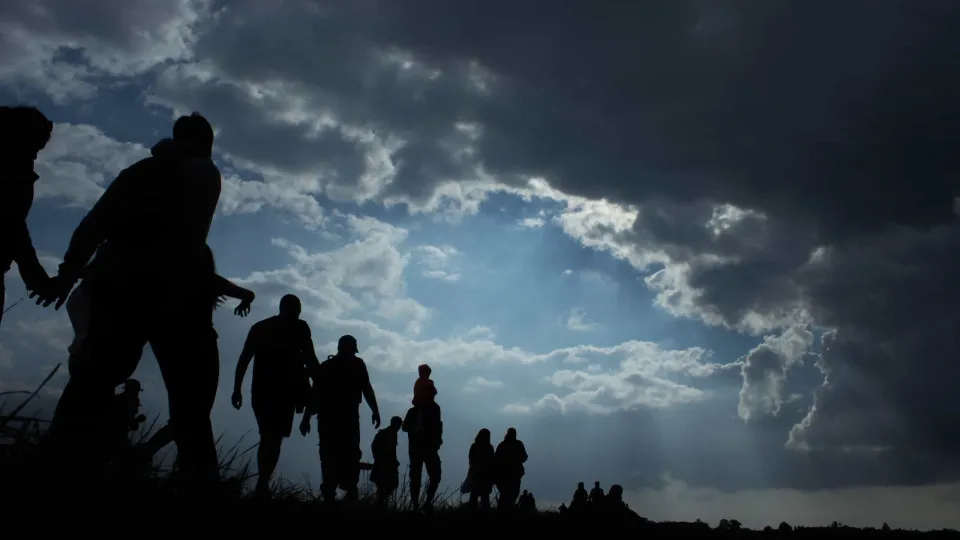
On healthcare, both advocated for mutual understanding—Jorge Pinto proposed ‘general states,’ a concept Seguro endorsed—and considered immigration essential. Here, the candidate backed by Livre, himself a former emigrant, described a “poisoned climate” around the issue, while Seguro argued immigration should be “organized in terms of entry and integration,” without directly judging previous government policies.
“I am a person focused on the future,” Seguro noted.