


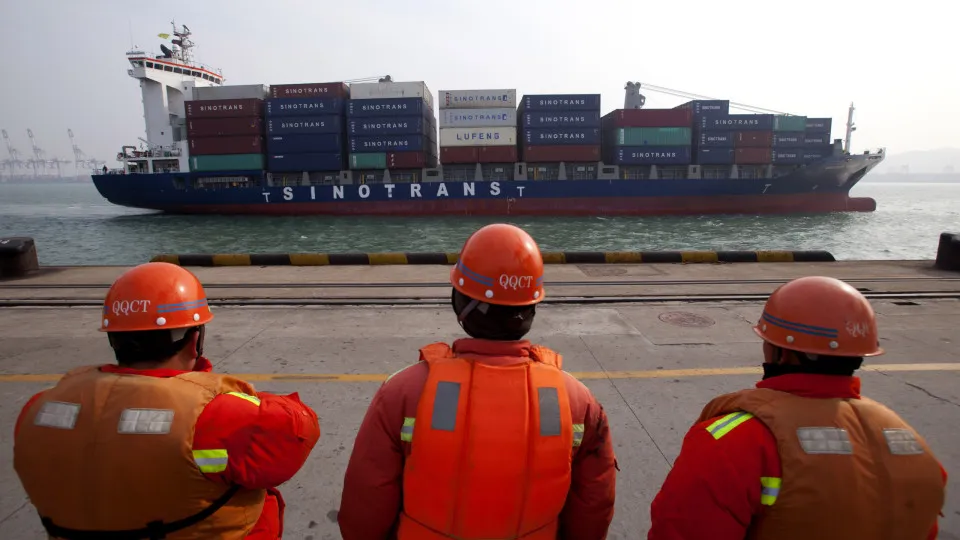
The import data from Southeast Asia’s six largest markets—Indonesia, Singapore, Thailand, Philippines, Vietnam, and Malaysia—collected by the research unit ISI Markets, reveals that Chinese sales rose from $330 billion to $407 billion (€283 billion to €349 billion) between January and September, compared to the same period in 2024.
Chinese exports to Southeast Asia have doubled over the last five years, reaching a new historic trade surplus for China with the region this year. In 2025, growth averaged nearly double the 13% compound annual growth rate seen between 2020 and 2024.
This intensification of trade with neighboring countries comes amidst a shift in Chinese exports, impacted by U.S. tariffs currently affecting approximately 47% of goods. In contrast, Chinese products face average tariffs of only 19% in Southeast Asia, making the region an attractive alternative for exporters.
Analysts suggest this new wave of exports may be linked to strategies to circumvent U.S. tariffs by redirecting products through third countries—a practice known as triangular trade, where products are exported almost complete from China to other nations, where a component or finishing is added to change the place of origin.
Washington has warned it may impose additional tariffs up to 40% on disguised Chinese-origin products.
Roland Rajah, an economist at the Australian think tank Lowy, estimated that Chinese exports to the region rose as much as 30% in September, emphasizing that this surge is distinct from previous ones. “Much of what is being exported is pro-growth,” he stated, indicating that about 60% of goods sent by China are components used in products manufactured in the region for re-exportation.
In the consumer goods sector, China has solidified itself as the region’s main supplier, notably in the automotive sector. Chinese electric vehicles, such as those from electric and hybrid vehicle manufacturer BYD, have been replacing Japanese models like Toyota, Honda, and Nissan, traditionally dominant in Southeast Asia.
According to PwC data, the market share of Japanese automakers in Southeast Asia’s six main markets fell to 62% in the first half of 2025 compared to an average of 77% during the 2010s. Meanwhile, China’s presence increased from negligible to more than 5% in a market of 3.3 million vehicles annually.
Amid Chinese competitive pressure, some Southeast Asian countries have tightened import rules and are considering tariffs on certain products.