


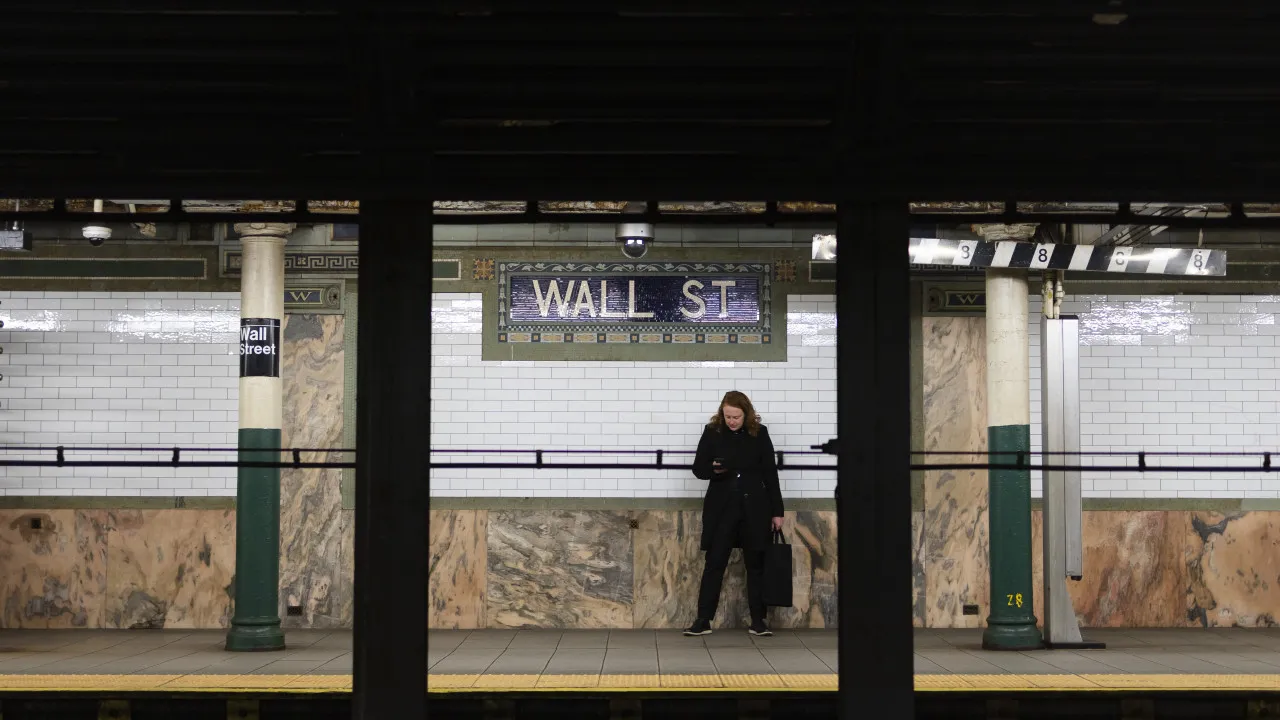
The final results of the session show the Dow Jones Industrial Average edged up by 0.13%, the tech-heavy Nasdaq dropped 0.32%, and the broad-based S&P 500 closed nearly flat (-0.01%).
Global stock markets closed lower today, reacting to the latest developments in the U.S. president’s trade policy.
In Europe, Paris lost 0.36%, while Frankfurt (+0.27%) and Milan (+0.26%) rose. London gained 0.64%. All European markets reported gains for the month of May.
“Without the trade war, the market would be doing quite well,” stated Tom Cahill from Ventura Wealth Management to AFP.
Amid an ongoing legal battle concerning tariffs, U.S. President Donald Trump rekindled trade tensions with China today, accusing Beijing of not adhering to the terms of an agreement negotiated two weeks ago between the two countries in Geneva.
“No great surprise, China has completely violated its agreement with us,” Trump criticized on his social network Truth Social, without specifying the violations committed by Beijing.
The United States and China reached an agreement on May 12 in Geneva to temporarily suspend the trade escalation that had raised tariffs on American goods to 125% and on Chinese goods to 145%.
Some on Wall Street fear Trump’s statements could be a “preview of what might happen” in U.S.-China trade relations, noted José Torres from Interactive Brokers in a statement.
There is still “a lot of volatility (…) and no catalyst to boost the market until some of these trade uncertainties are resolved,” emphasized Cahill.
The market “is less sensitive to every headline” about tariffs, he cautioned.
On the indicator front, the New York stock market felt somewhat reassured by the latest U.S. inflation numbers for April, released today.
According to the official PCE index, prices rose 2.1% in April year-over-year (compared to 2.3% in March and 2.6% in February).
Analysts had expected inflation to slow slightly less, to +2.2%, according to consensus published by MarketWatch.
“Inflation, of course, hasn’t reached the level of 2%, or below 2%, sought by the U.S. Federal Reserve (…), but it’s definitely heading in the right direction,” noted Cahill.